
New Zealand takes coffee seriously. Our first morning in Auckland, we strolled down by the downtown waterfront and went into a hip looking coffee shop. I asked for a cup of coffee and the two baristas were immediately in a state of total confusion. Did I want a flat white? A long black? A short black? They tried to clarify things, but when I said I just wanted a cup of coffee, the issue got murkier. They discussed it between themselves, and I ended up getting a cup with four shots of espresso. Quite good, but I knew I needed an education.
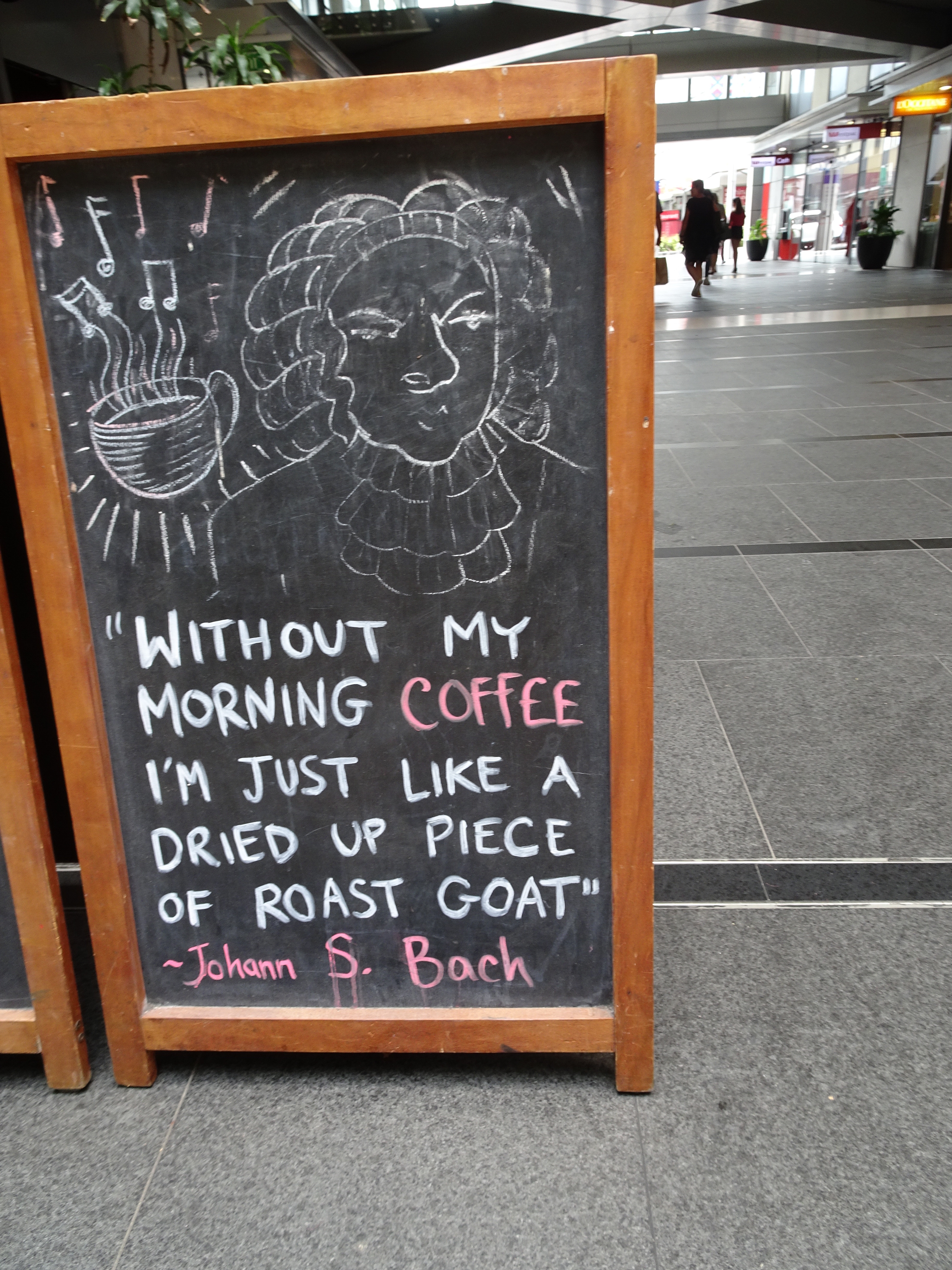
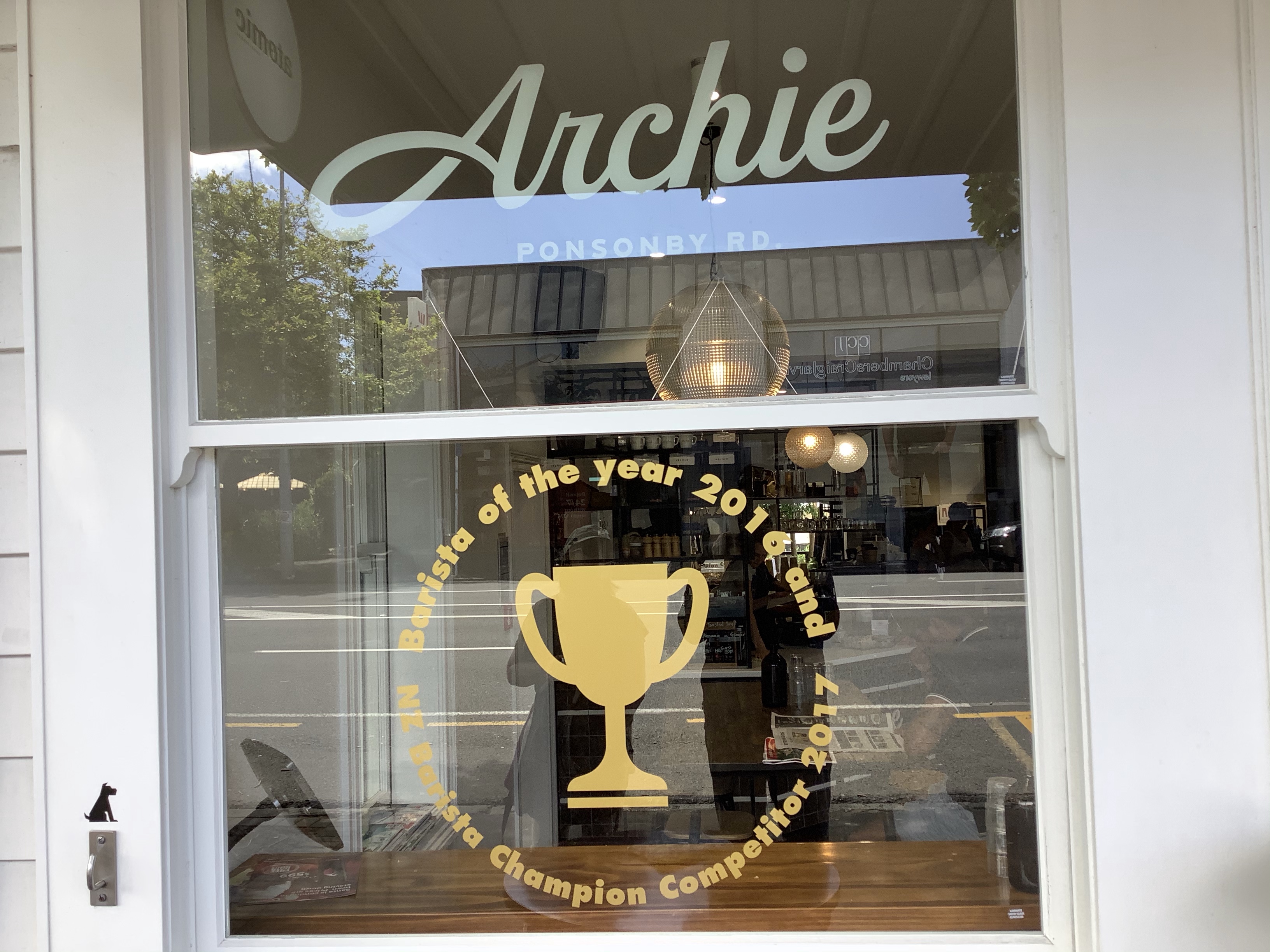
New Zealand has the most coffee roasters per capita in the world, and many Kiwis believe strongly that it also has the best coffee in the world. The flat white is the national coffee drink. Roughly one third espresso, two thirds steamed milk. Foam varies. There is frequent debate on who invented it—-The Aussies or the Kiwis. We heard one Kiwi grudgingly admit that yes, it was the Aussies who invented it, but we are the ones who perfected it. My current favorite is a macchiato with an extra shot. We will continue. At home, it seems like almost everybody uses a French press, and our airbnbs so far have had one. Filters and cones, or machines, seem not to exist.
History Becomes Present
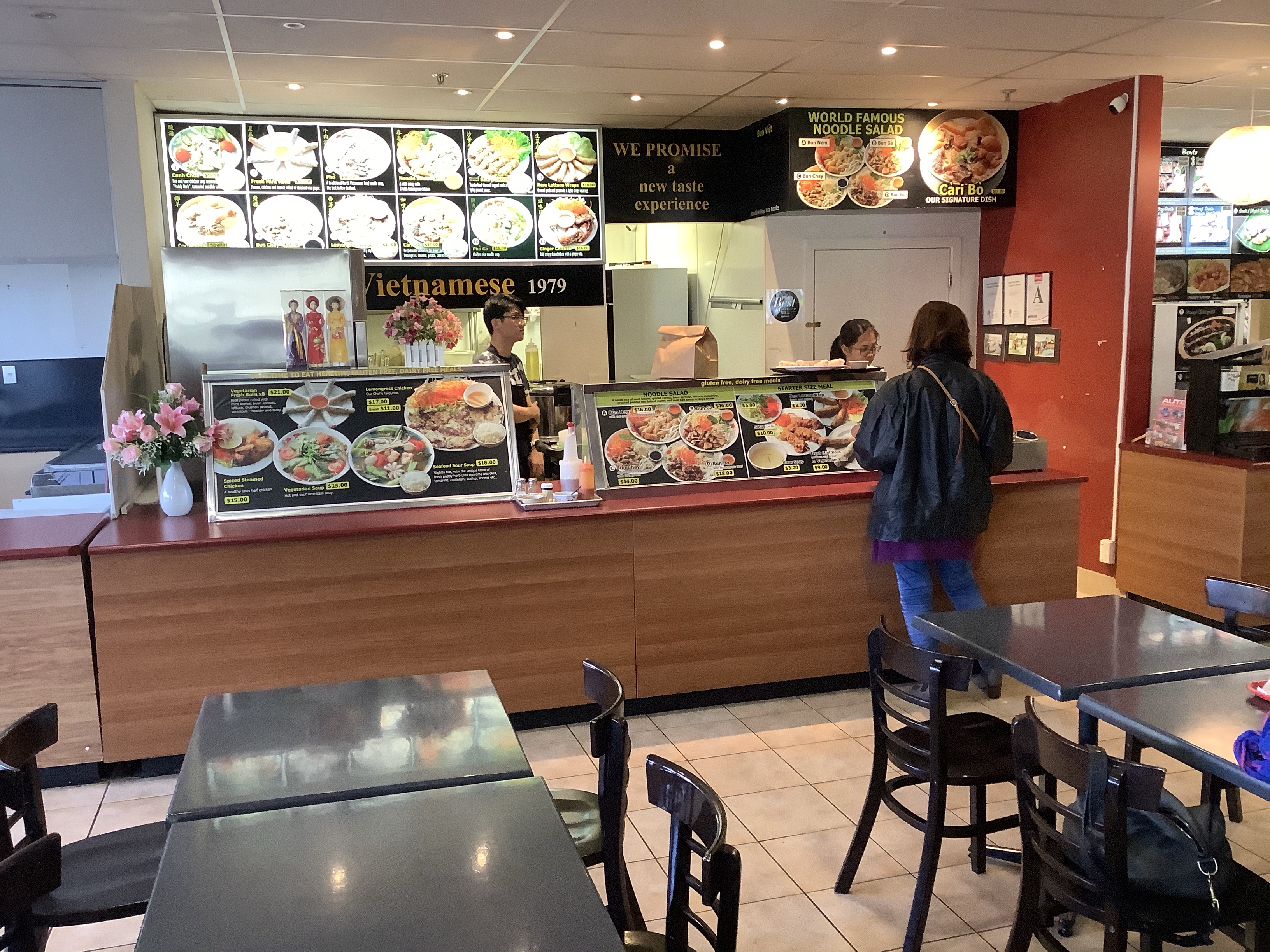
New Zealand is the youngest country in the world, in terms of human habitation. The very first humans (any humans) arrived here about 900 years ago. Today, Auckland is the largest Polynesian city in the world (South Pacific Islanders) and the fourth most ethnically diverse. (Guess which three are in front of it. Answer at the end of this paragraph.) There are people from Samoa, Cook Islands, Marquesa Islands, Society Islands, Tonga, Solomon Islands, as well as from India, Japan, Indonesia, and lots of other nations. We often went to an International Food Court for dinner. You could choose restaurants from Vietnam, Japan, Malaysia, China, India, Laos, or Bali. The term “person of color” is just not used here because it is irrelevant. Everyone is a Kiwi. One third of the New Zealand population lives in Auckland, just over a million people. The country has about 4.5 million, which is about the same as Oregon. (London, Toronto, New York)
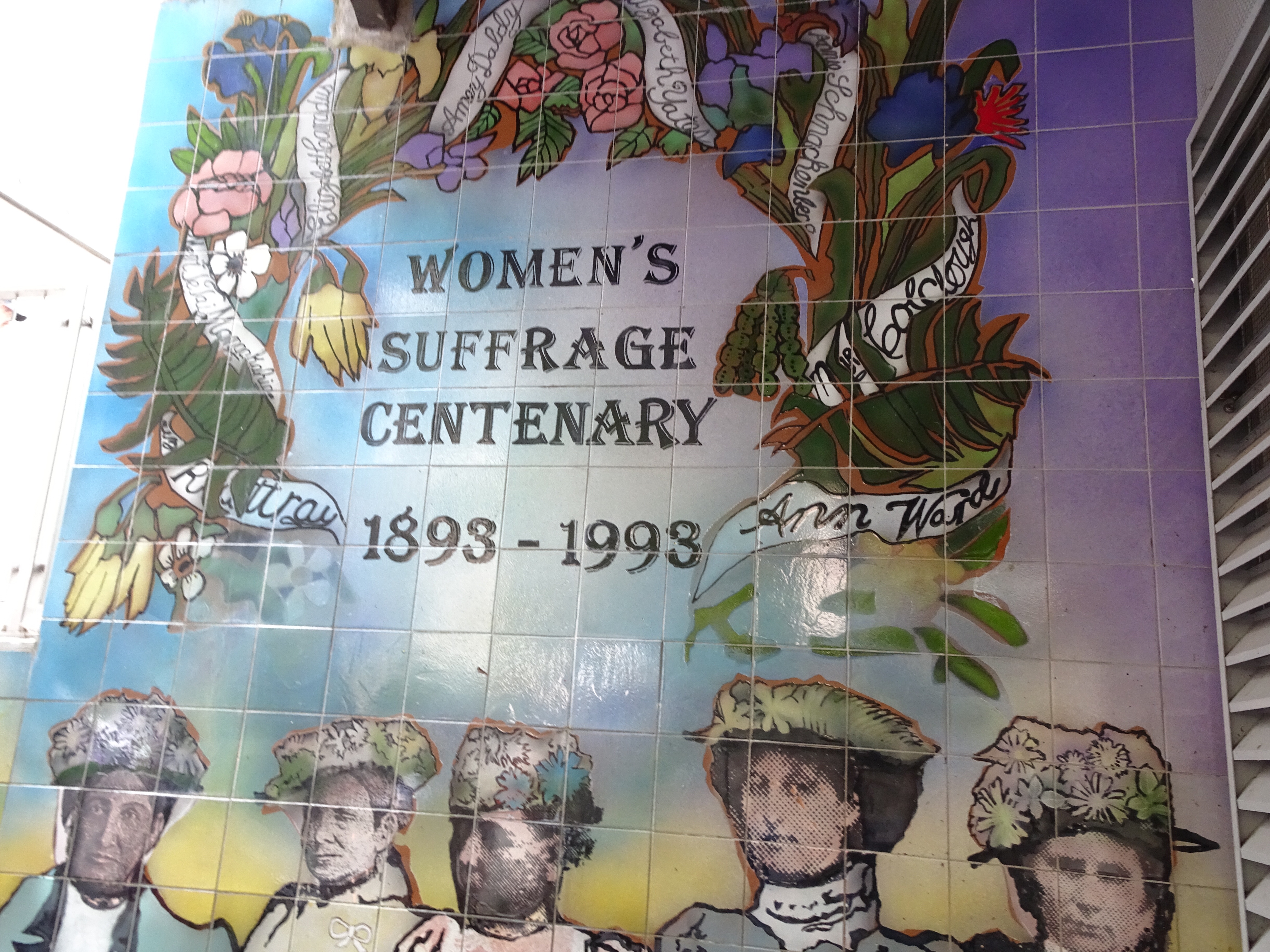
The country prides itself on being small, quick, innovative, and creative. Four and a half million people, almost a million small businesses. Streamlined processes and lack of bureaucracy is a New Zealand hallmark. It makes it easy to get a loan and start a business. After the shootings in Christchurch last March, automatic weapons were banned in two weeks. New Zealand was the first country where women could vote. The Kiwis know how to get things done.
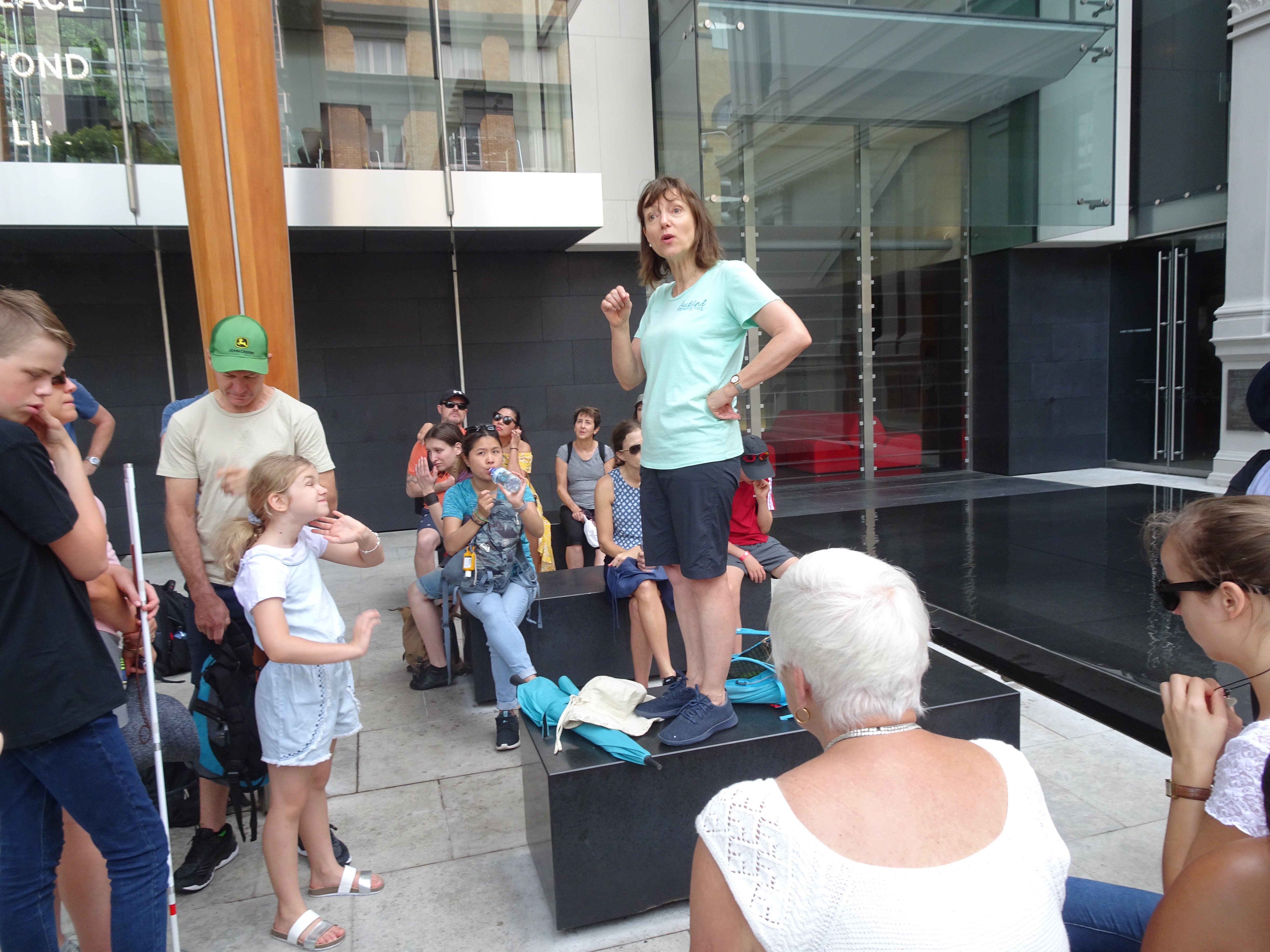
The Treaty of Waitangi was signed in 1840. This is the most important governmental agreement here. Still a living breathing document, it is the basis of the coexistence that is here. It was an agreement between the colonizers (the British) and the colonizees (the Maoris) and it basically says that all people are equal. The Maoris recognized the need for more organization that the British could provide, and the British acknowledged that the Maoris had a better understanding of the land and the resources. The document strove to eliminate class structure and put everyone on an equal footing. Today, New Zealand officially is still a colony of Great Britain, even though it is totally independent.
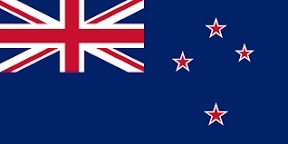
The New Zealand flag is actually a rendition of the Union Jack (Great Britain’s flag) with four stars representing the Southern Cross. That’s the most widely recognized constellation in the Southern Hemisphere, and the guiding light for all sailors here.
Now, I personally would think that the New Zealanders, being the independent and innovative people that they are, would prefer to have a flag that reflected that independence, rather than have one that pays homage to their colonizers. The Canadians switched flags in 1965, from a Union Jack variation to the Maple Leaf.
And in fact, a few years ago, in 2015, there was a raging controversy in New Zealand about changing their flag, and the whole country voted on a referendum. The vote was whether to keep the flag, or adopt a new one, a depiction of the Silver Fern, which is one of the National symbols (along with the Kiwi bird) of the country. The fern represents strength, stubborn resistance, and enduring power. I would add beauty to the list. The underside is silvery white, which reflects moonlight, making it very useful in following leaders through the forest at night. All significant ideas that you would want in your flag.
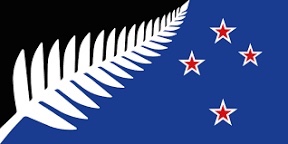
I unreservedly would vote for the fern flag, but 65% of the country wanted to keep the Union Jack. This was due mainly to the conditions set out in the Waitangi Treaty. People here are very comfortable with themselves and their relations with others.
Critters
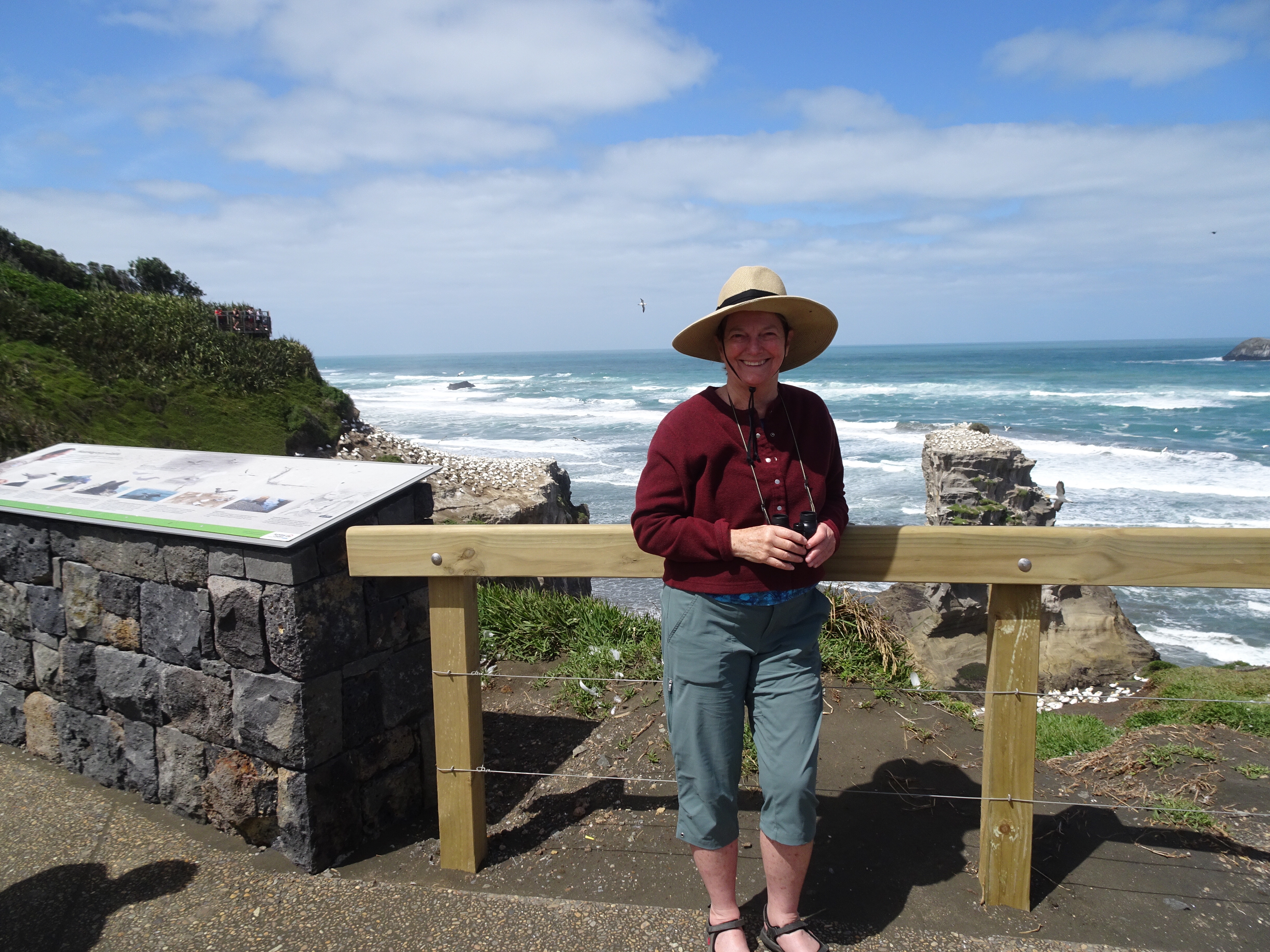
Auckland is a city of the ocean. It has two major harbors, one to the north and one to the east. The city itself has over 2000 miles of coastline, with all of its bays and curves. To the west of the city are stretches of wide open ocean, long beaches, and few people. We drove forty five minutes out to Muriwai Beach, which is home to one of three Australasian Gannet breeding colonies in the country.
Gannets are large seabirds that are mostly in the Southern Hemisphere. There are some Northern Gannets, near New England and Western Europe, but there aren’t that many, compared to the south. The birds have a six-foot wingspan, and they soar over the ocean. They spend all of their life flying or swimming, except for when they make their little nests, lay and incubate their one egg, and care for their chick. That’s what we saw at Muriwai. The chicks were all born but not yet ready to fly. One of the parents was with the chick, and the other was off finding food. We watched them coming and going.
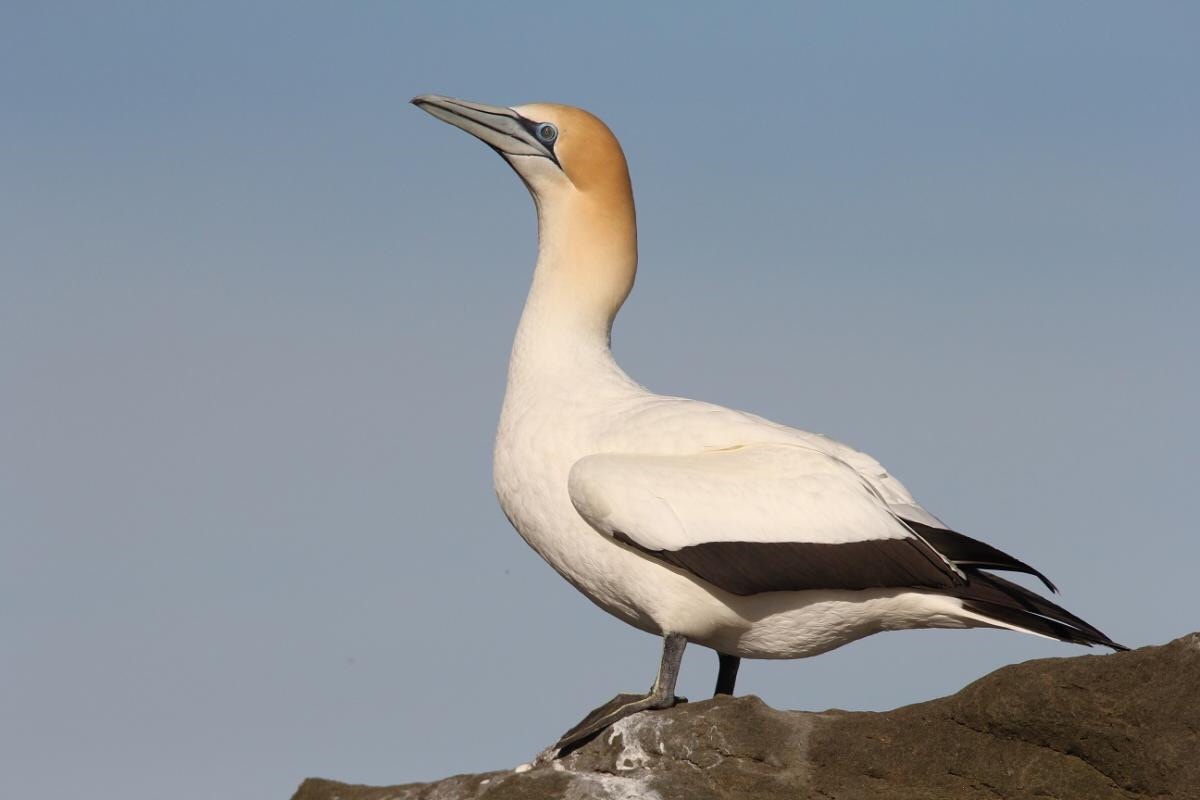
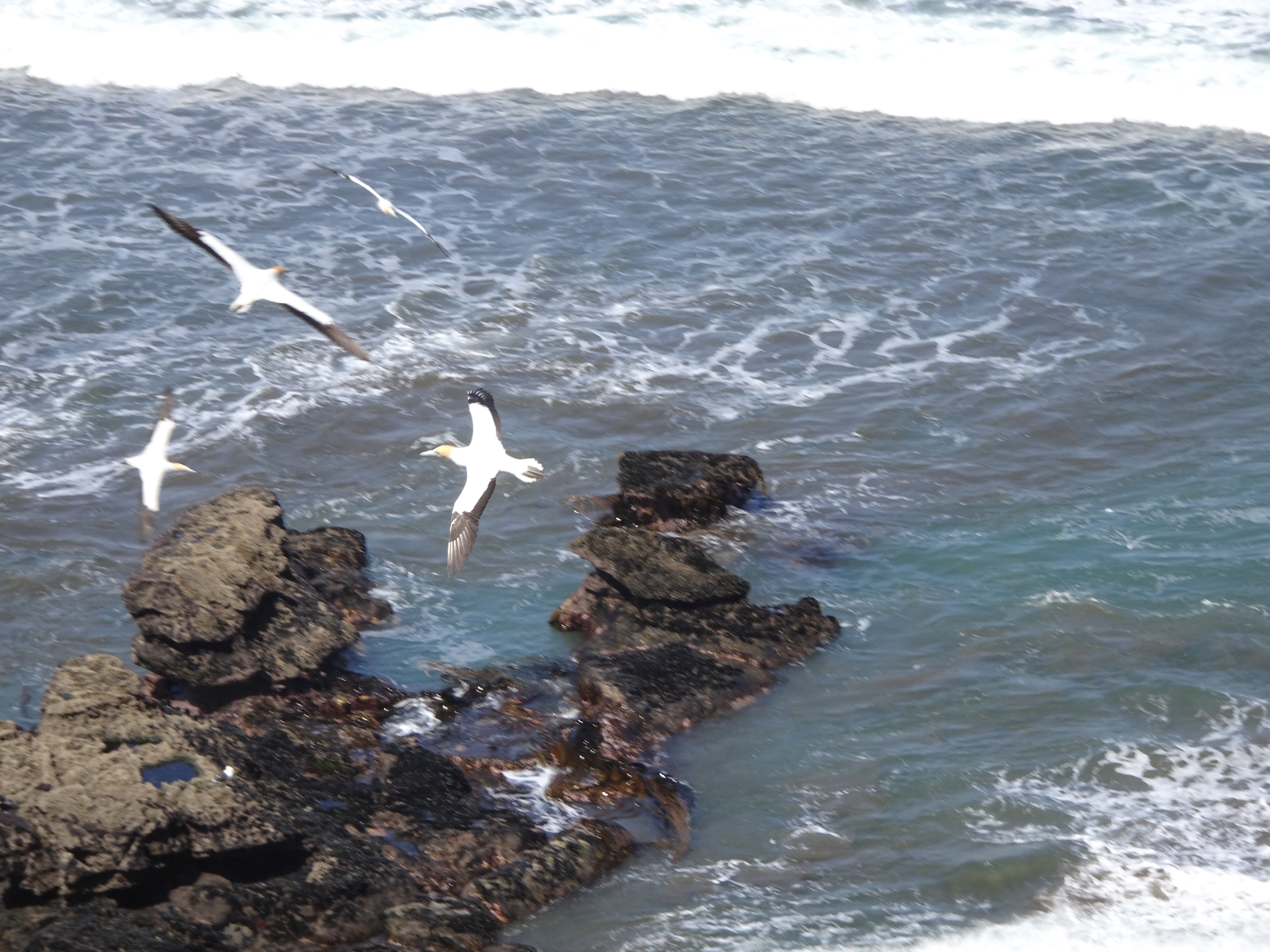
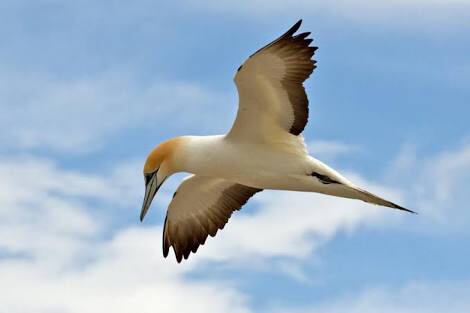
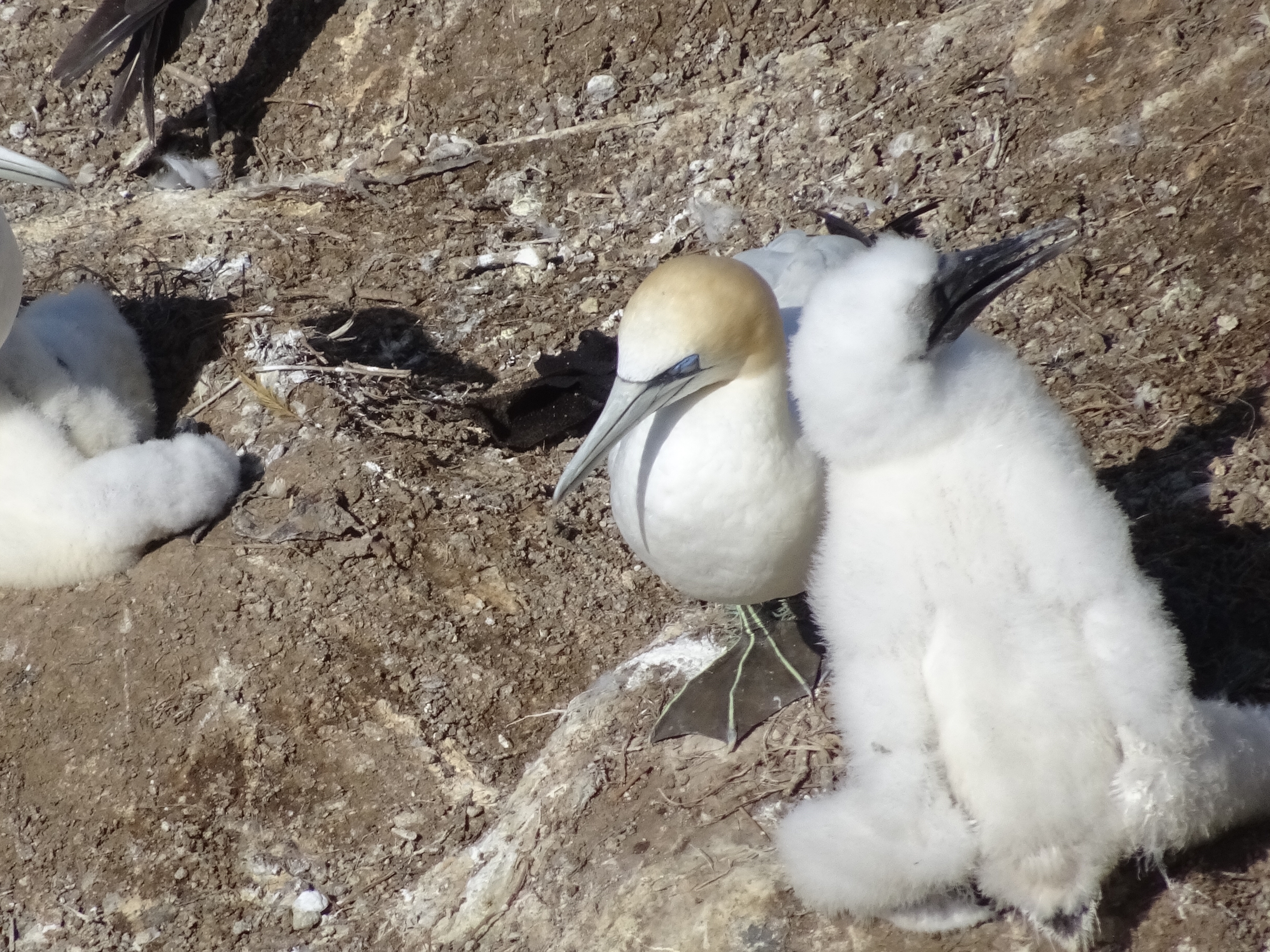
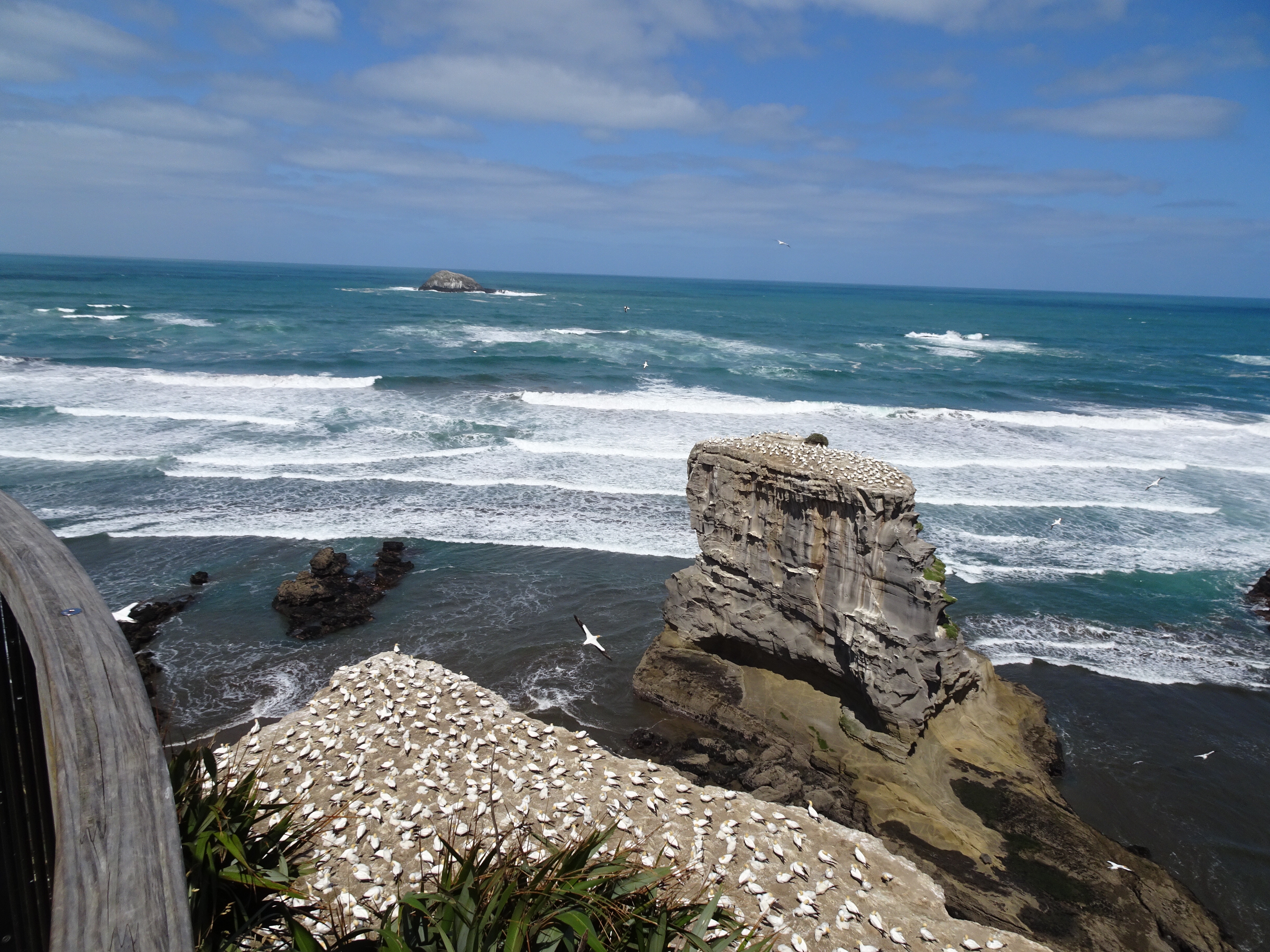
We don’t know how they know where to go. But we know that they spend three years in Australia, then they return to the rock where they were born, find a mate and raise a chick. They often stay with the same mate for life, and they return to the same breeding ground. They are very common all around New Zealand.
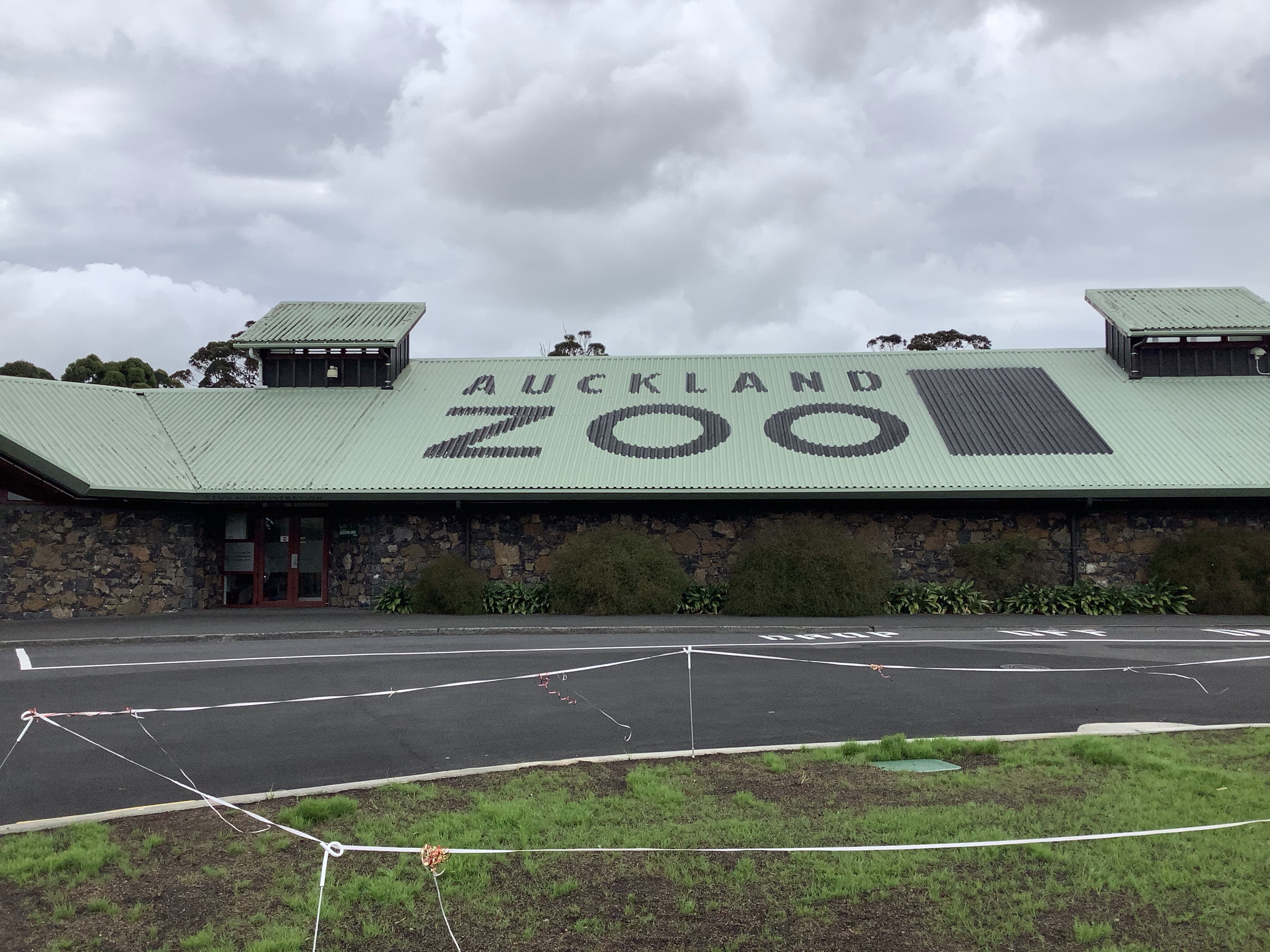
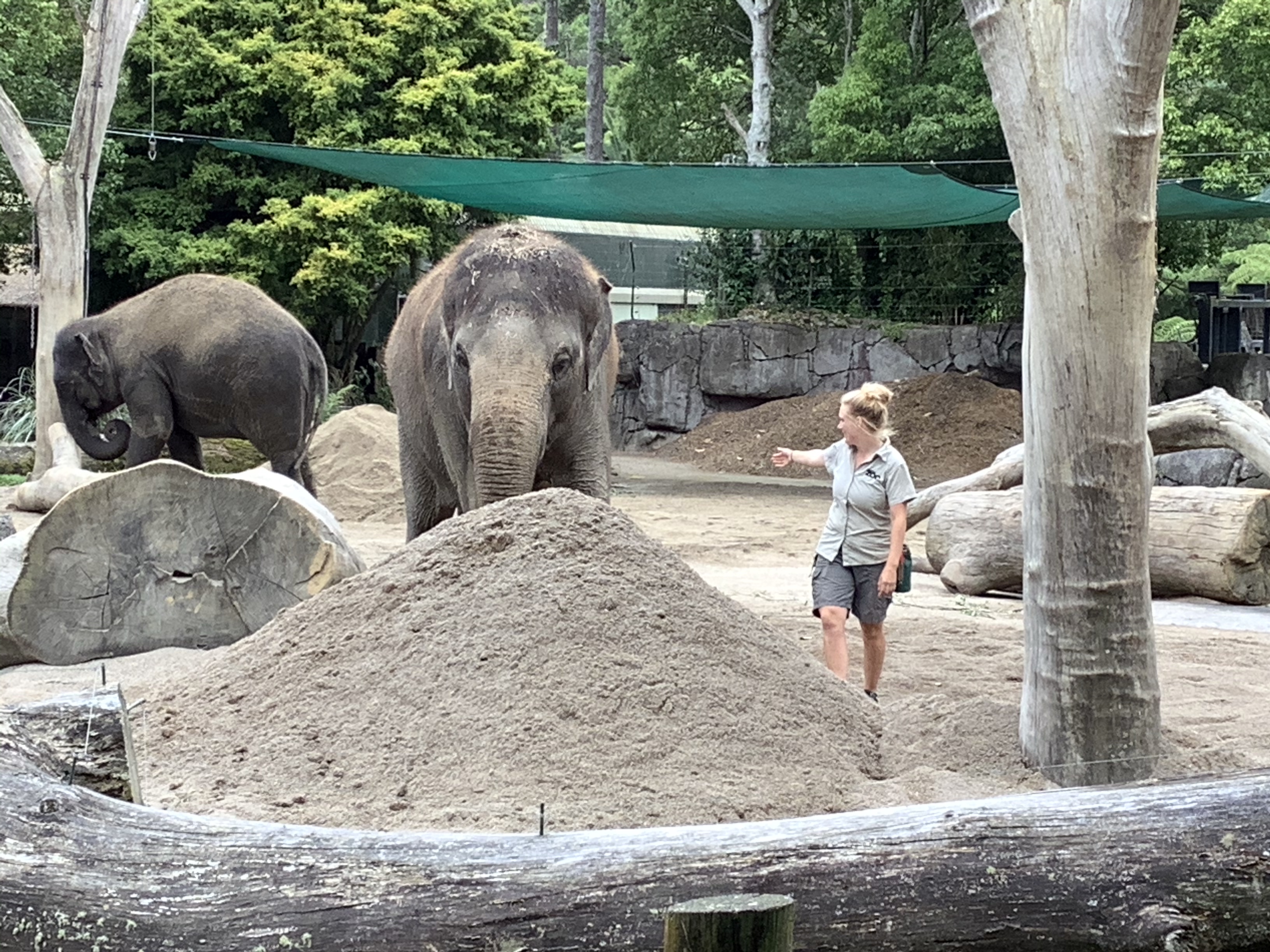
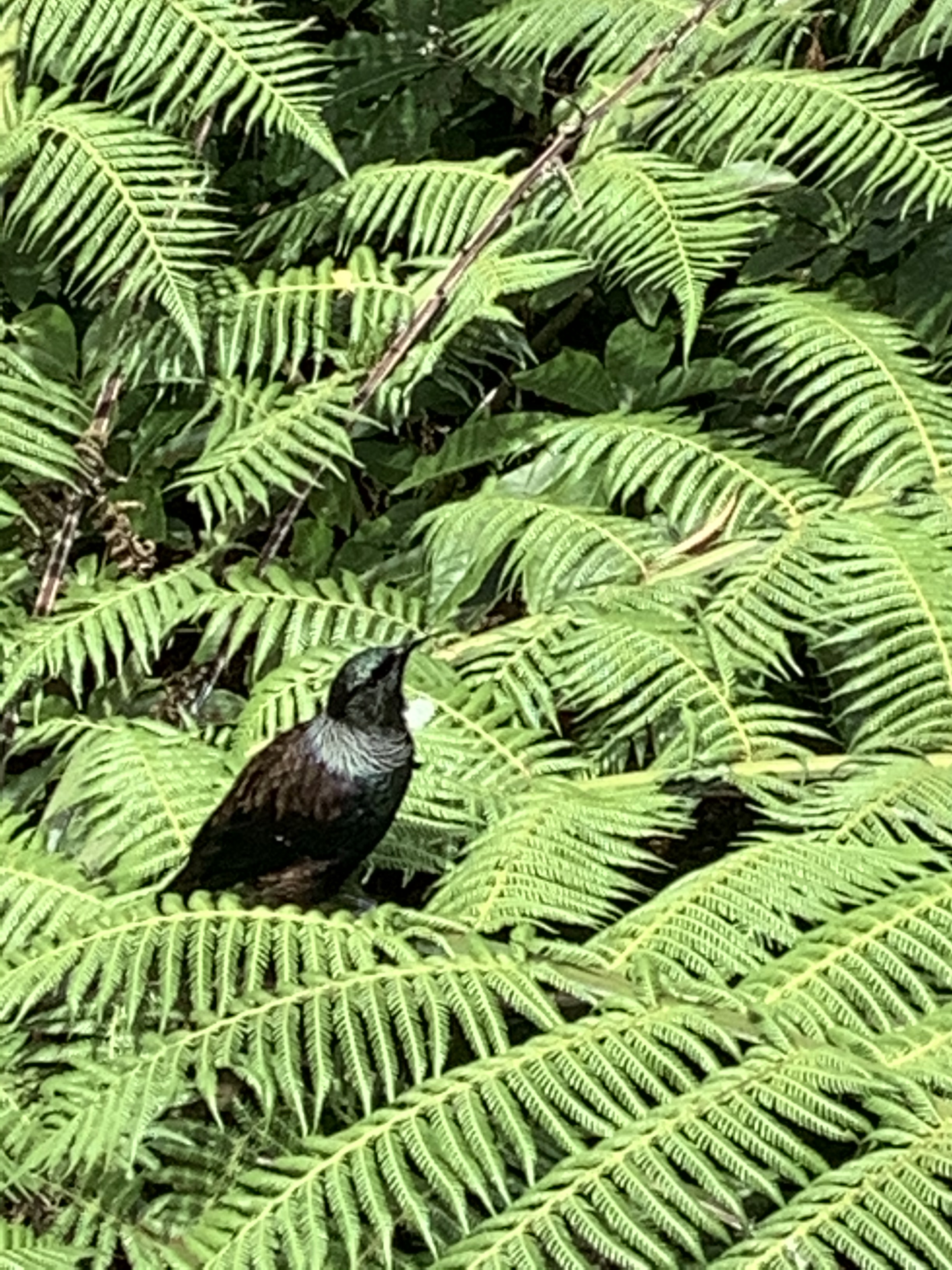
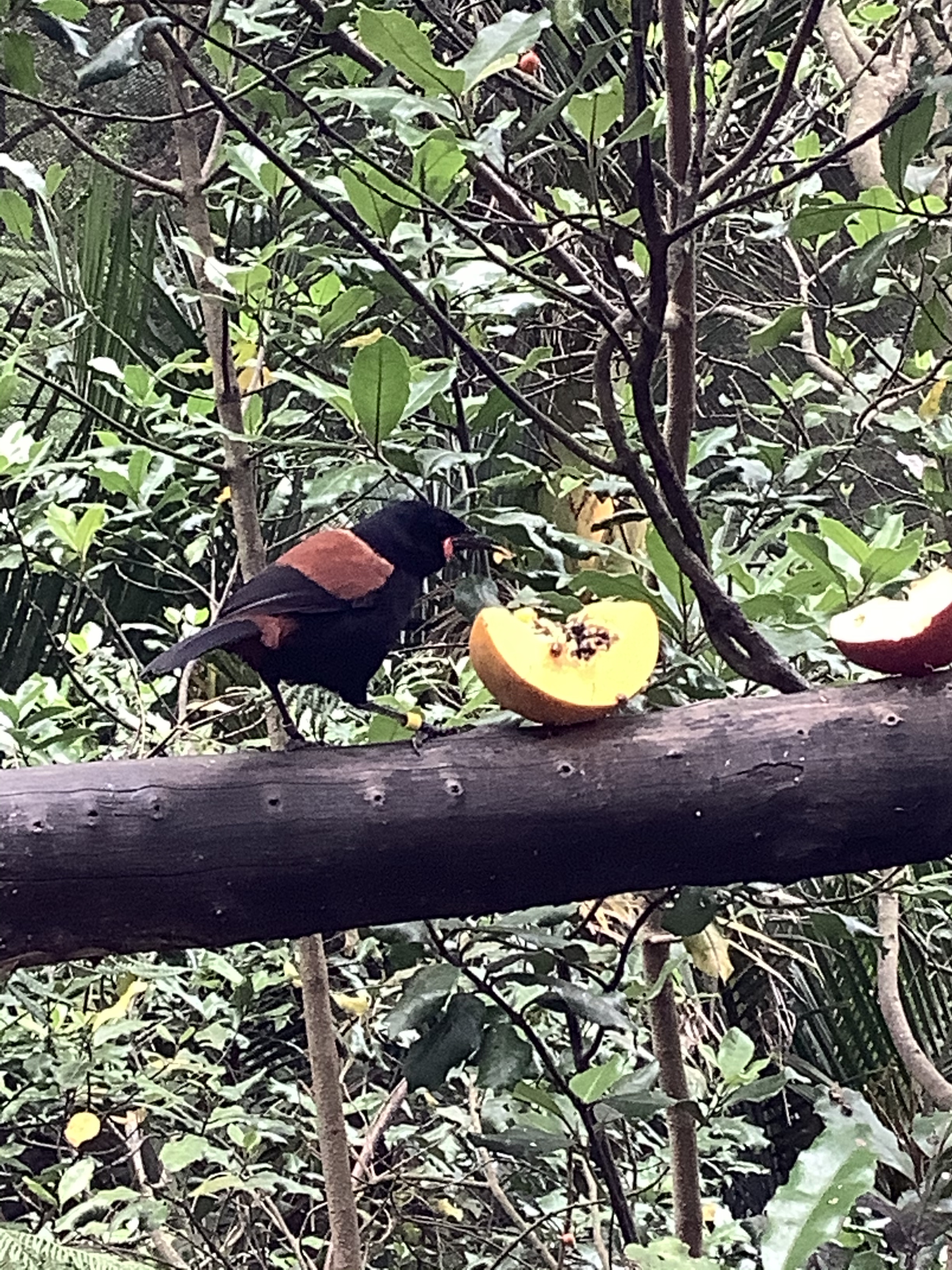
Another day we stayed in the city and went to the zoo. The zoo itself proclaims that it is “one of the best and most widely acclaimed wildlife centers in the Southern Hemisphere.” It has wide-open areas for the animals, huge forested aviaries for the birds, and very accessible keepers who give great talks and engage with the people.

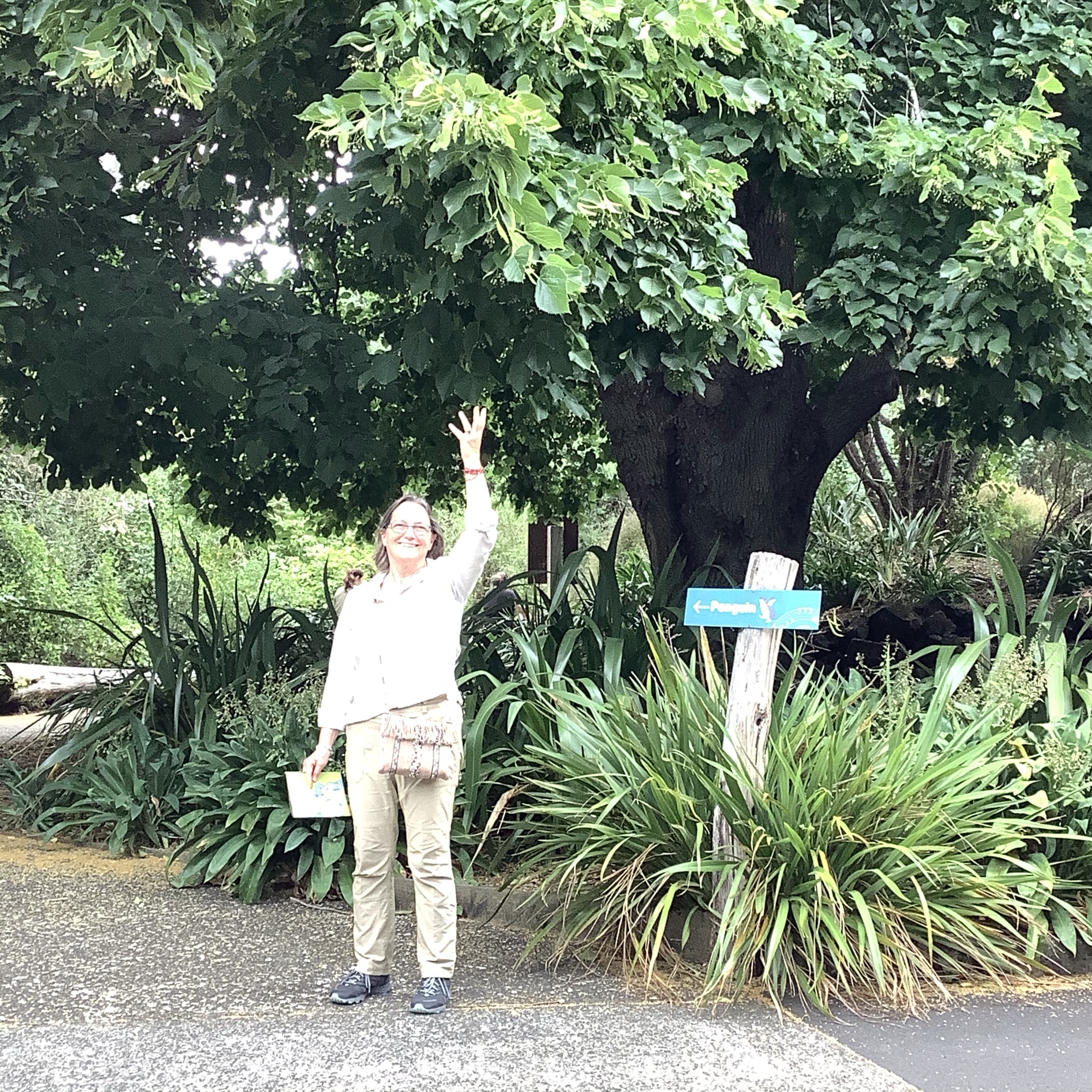
Bagels in New Zealand?
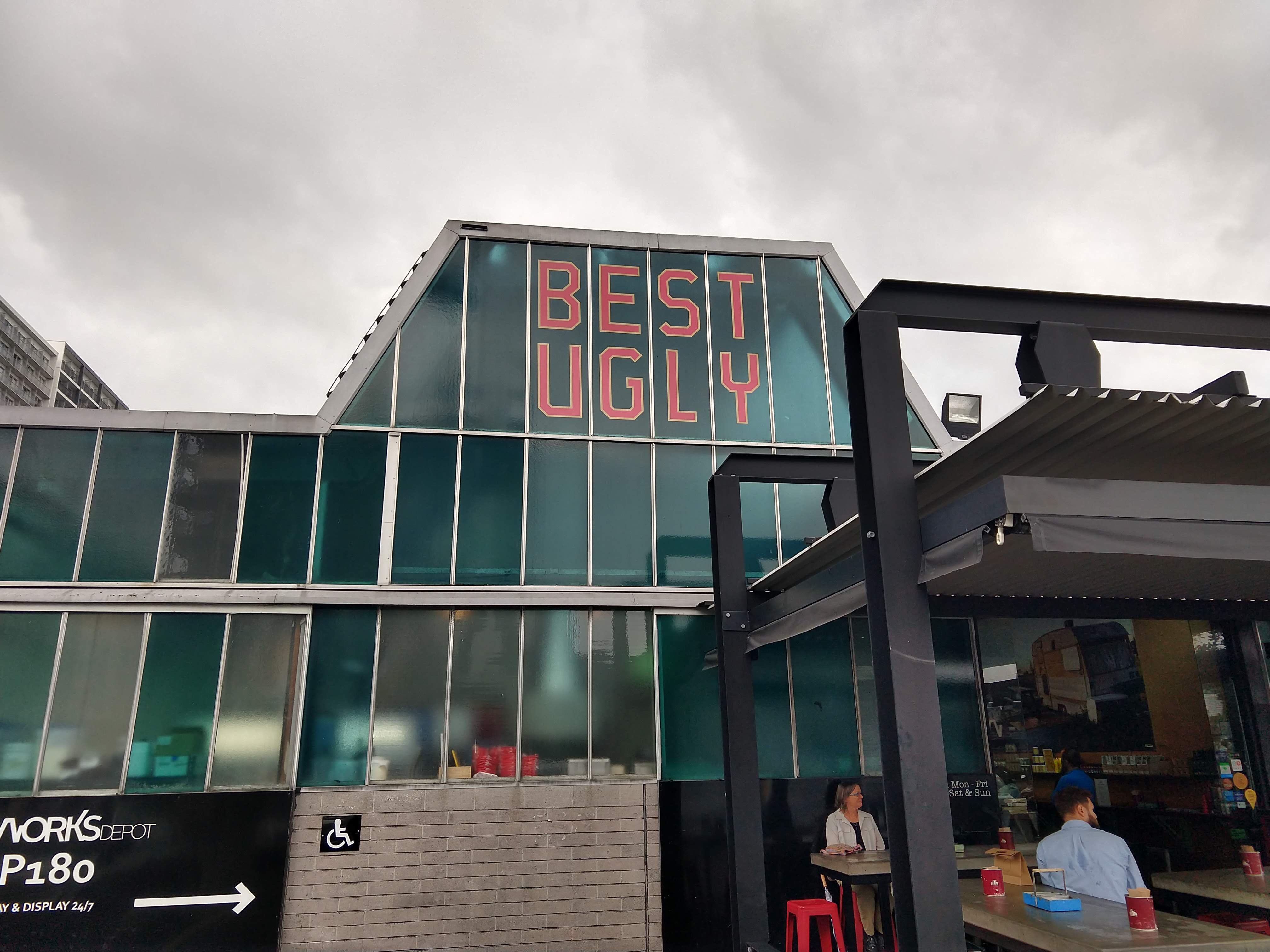
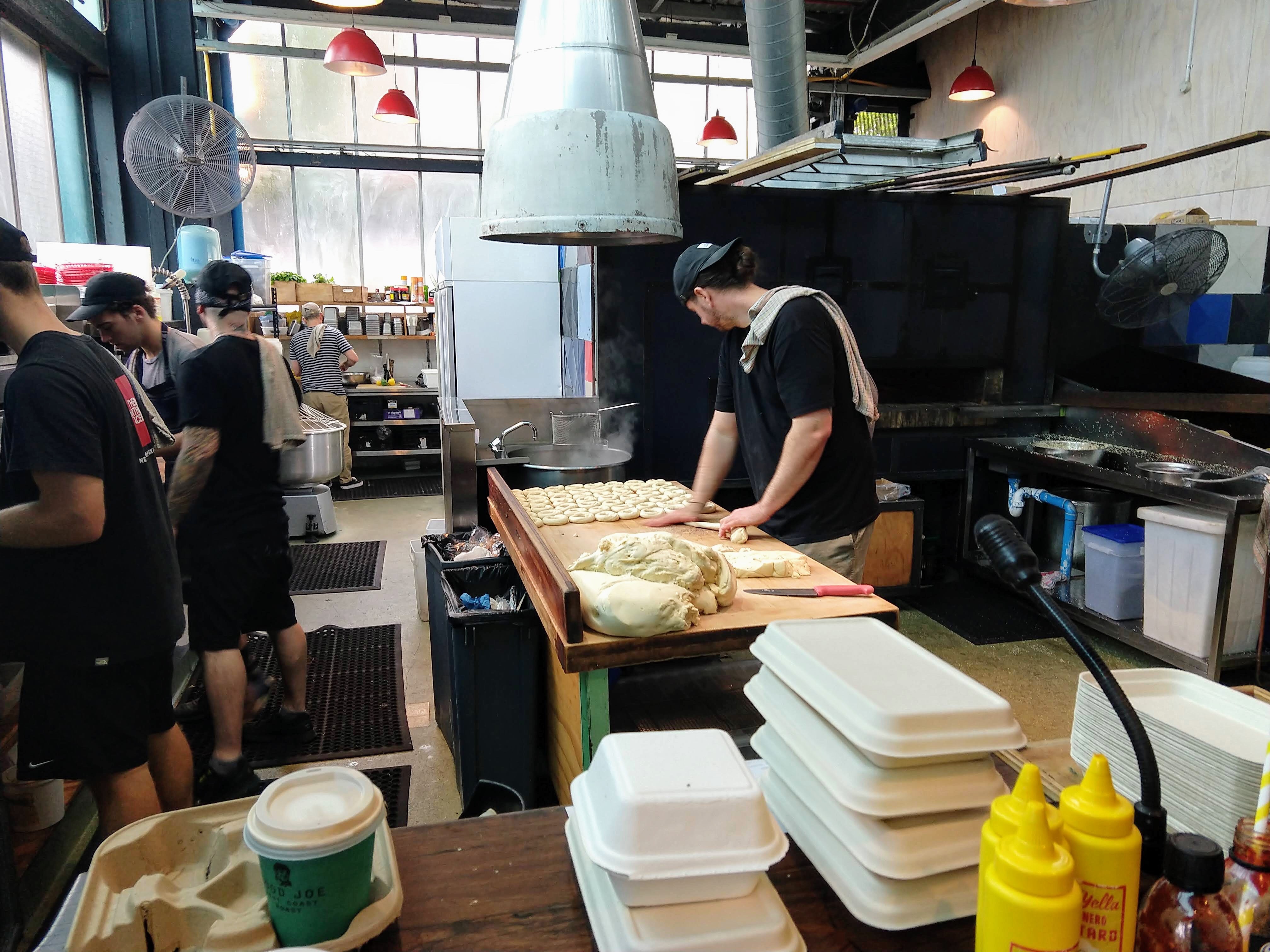
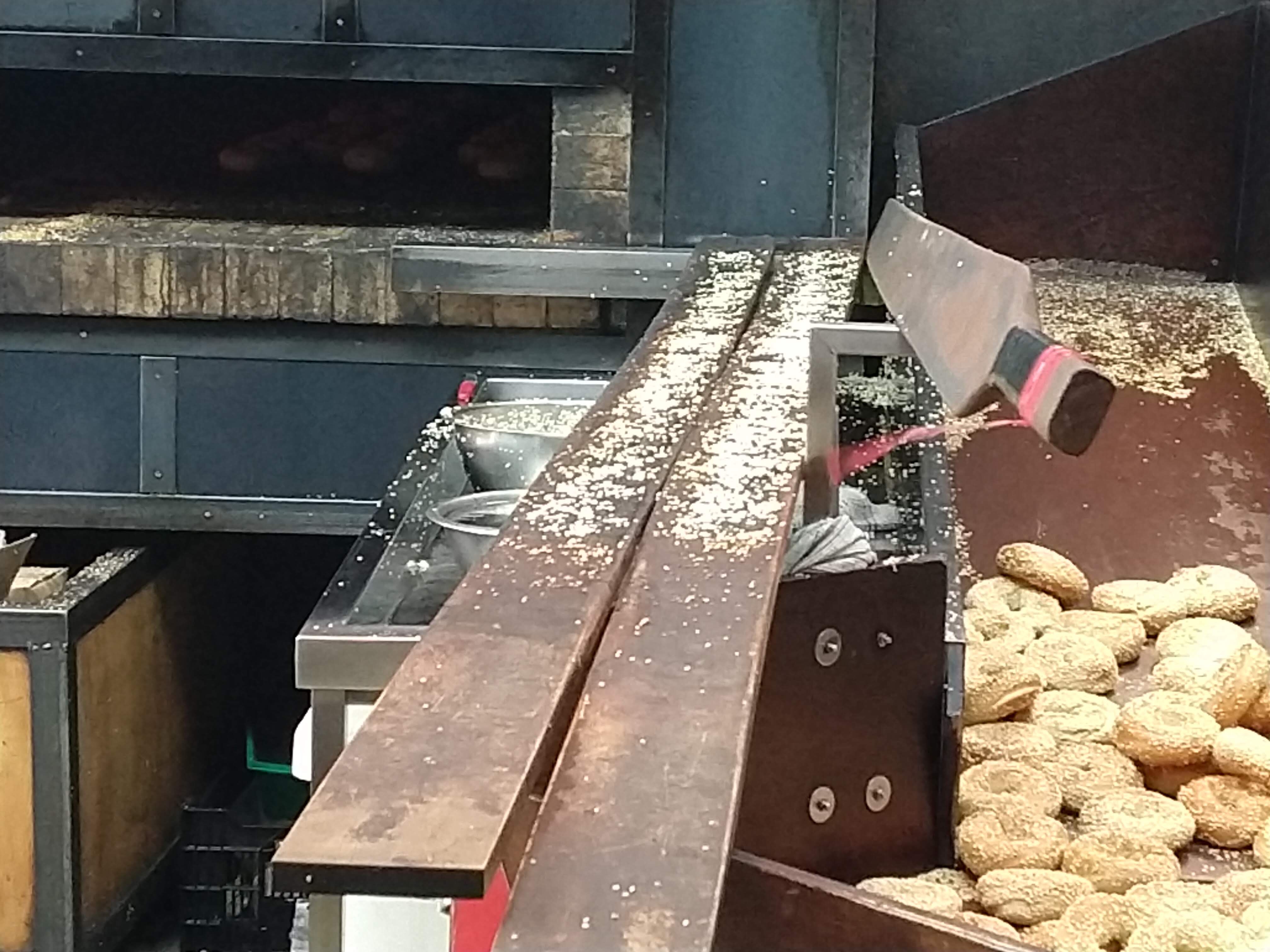
Best Ugly Bagels has a great reputation.
Holiday Time
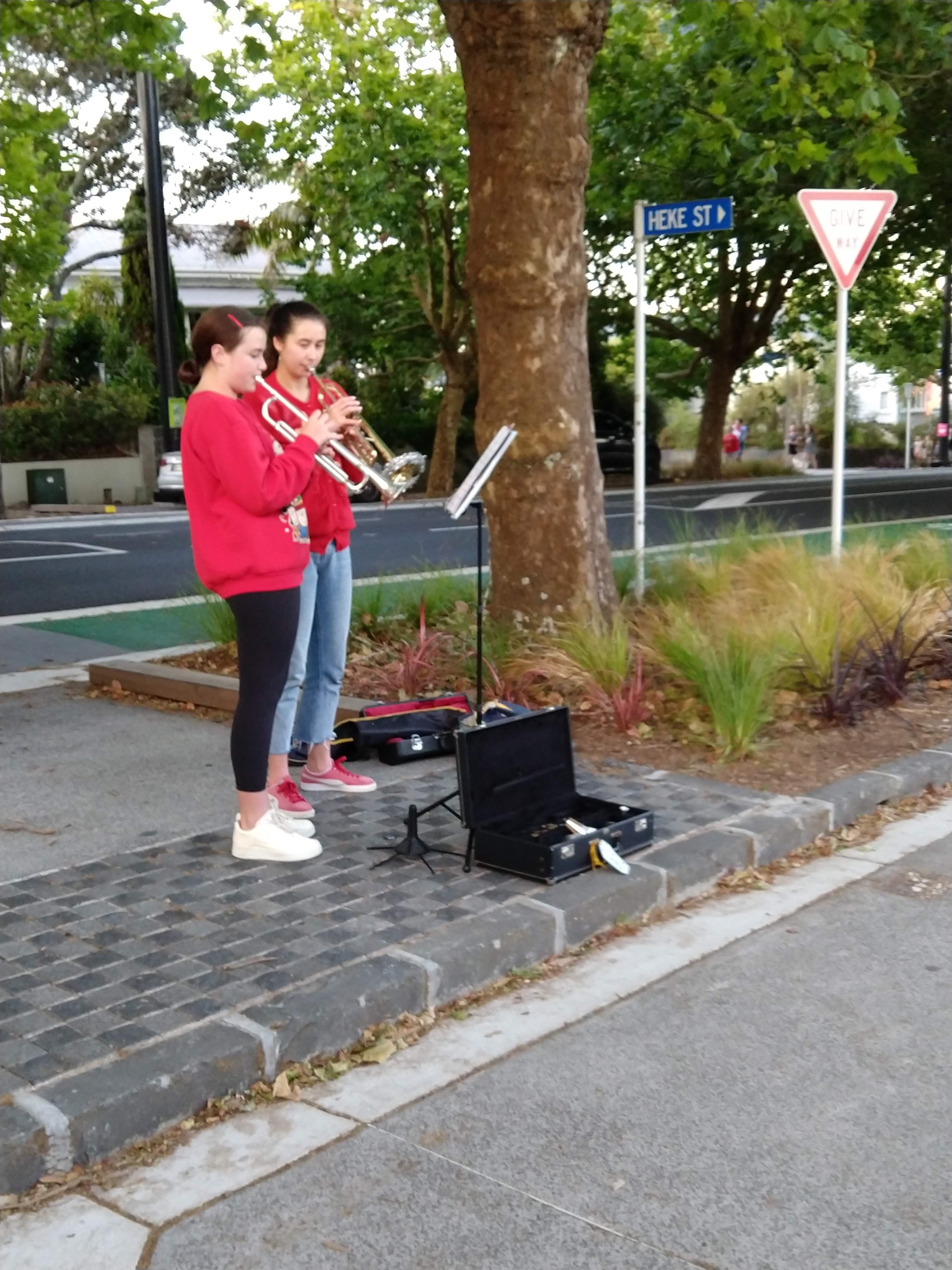
The weekend before Christmas in Auckland is sunny and bright, and there was a little Christmas concert in Western Park, right down the street from where we stayed. The singers were mostly from Samoa, and they sang some traditional and some non-traditional Christmas songs. It was definitely a neighborhood thing.



Waiheke Island
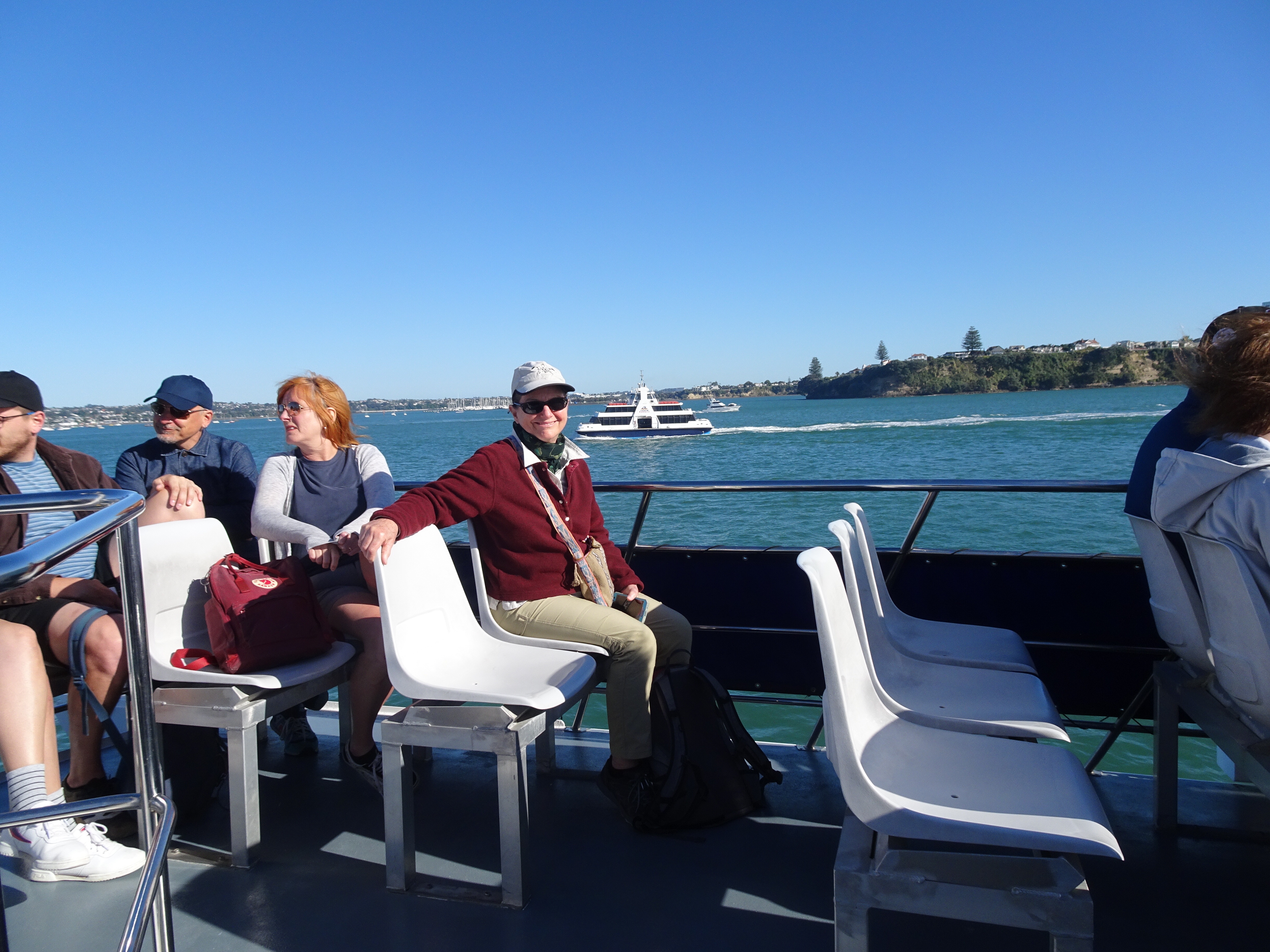
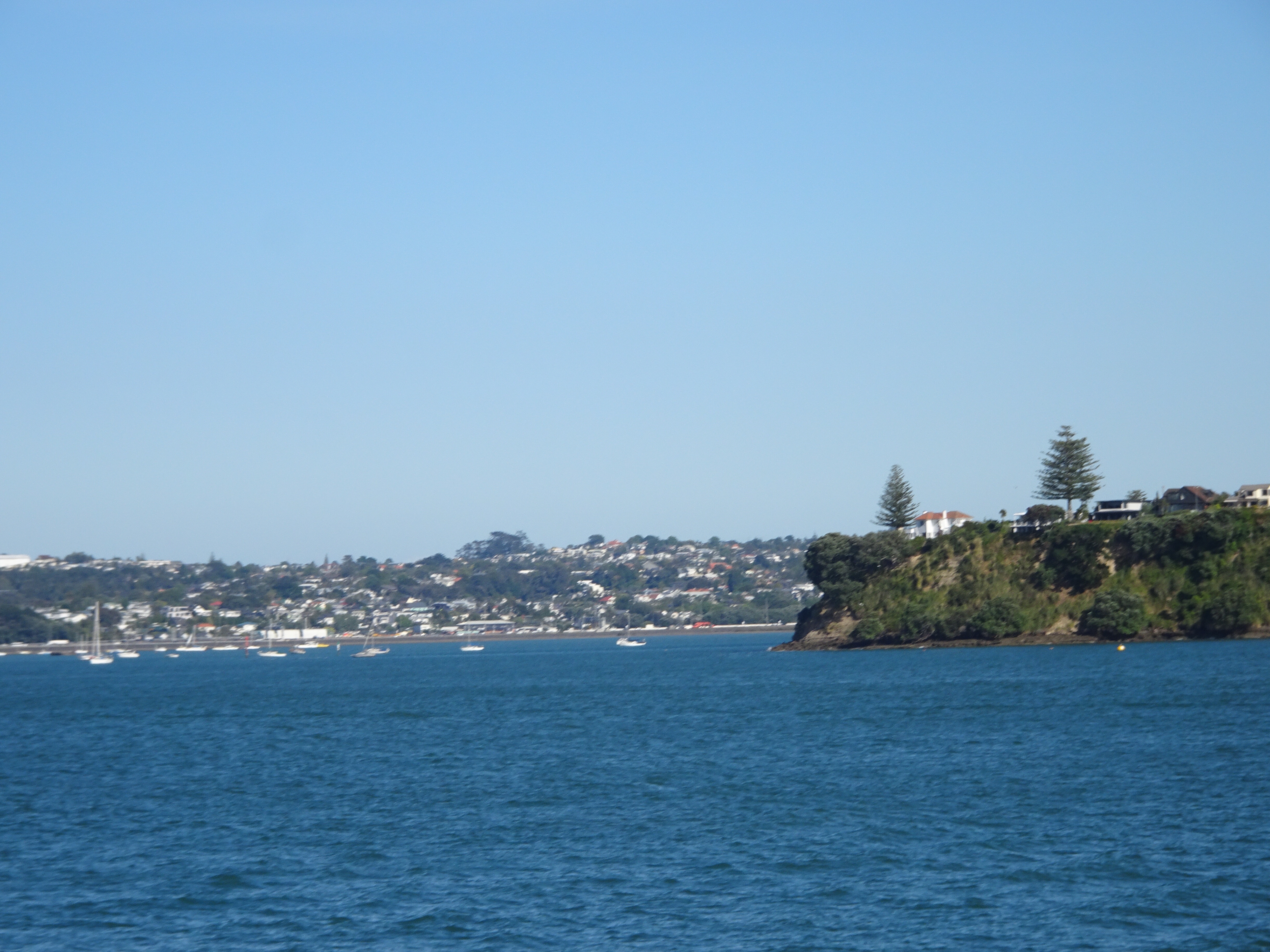
We went to Waiheke Island on our last day in Auckland. It’s just a half-hour ferry ride from downtown, with boats leaving every half-hour. There are 10,000 permanent residents, and the whole island is kind of like Auckland’s personal getaway. Summer homes. Boats. Beaches. And——-two words that can bring joy to hearts everywhere——-Wine and Food.
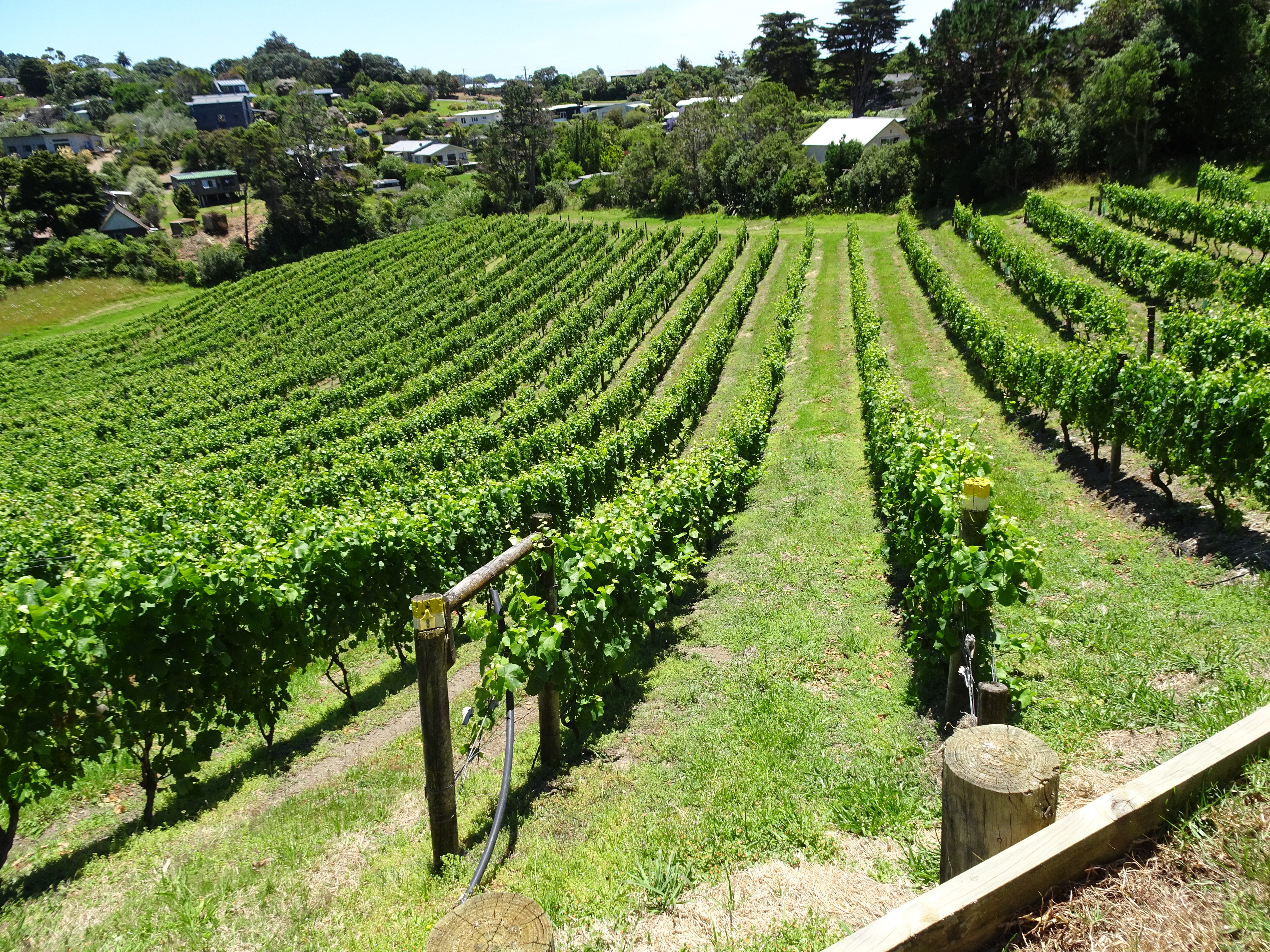
There are thirty six wineries on Waiheke. The island is not really much larger than Manhattan. Waiheke is cradled in the Hauraki Gulf, geographically protected from winds and clouds by the mainland and other islands, and has a climate perfectly suited for grapes.
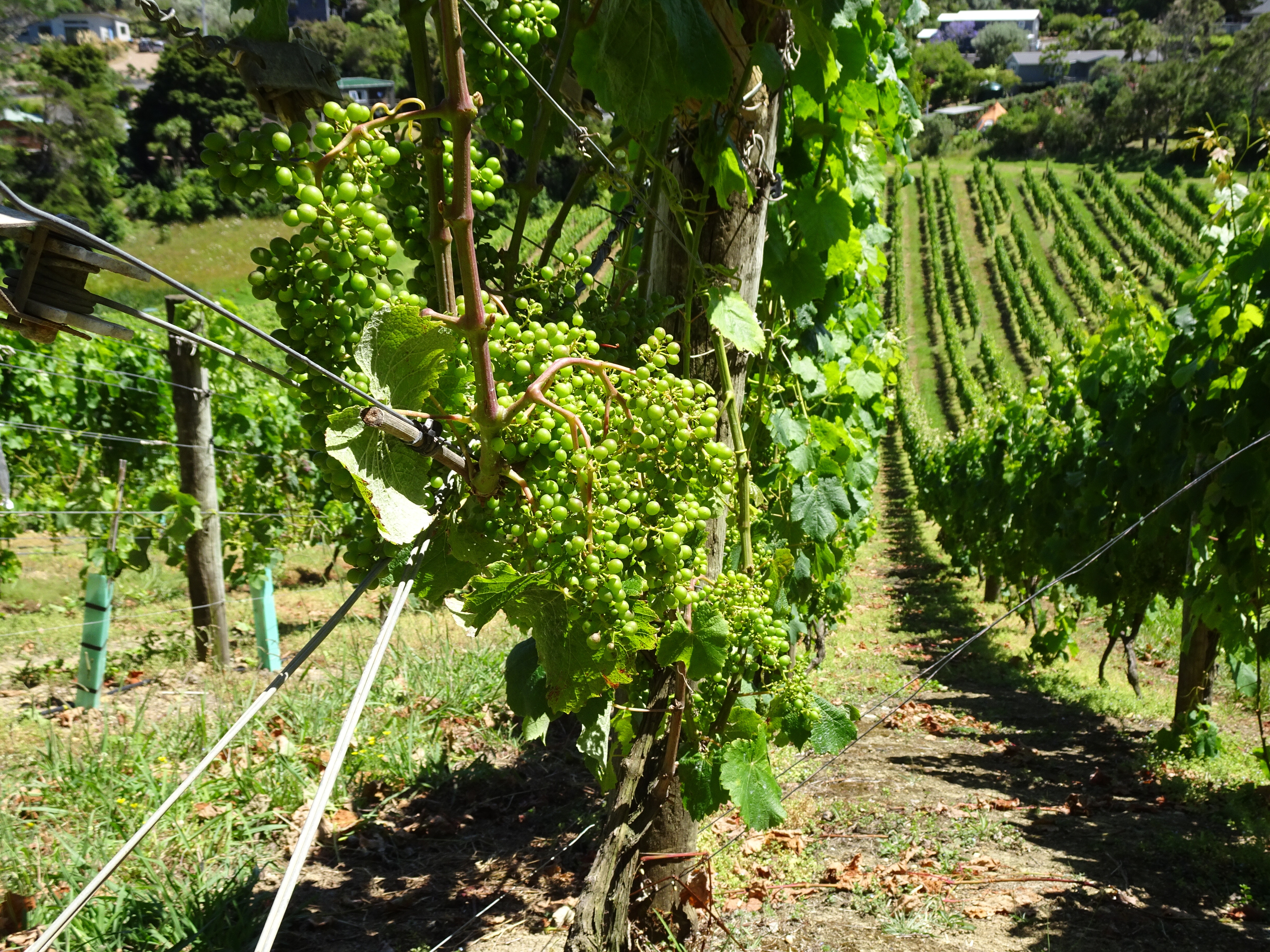
Waiheke has a history of being an alternative type of place. It was a 60’s era hippie discovery, kind of like a South Pacific Ibiza, and now it is still very laid-back with a certain alternative buzz, but…..
There are all those wineries, and the people that wineries attract. There is also a sizable number of young European and American travelers who can live here and extend their visas by being agricultural workers—-working with the grapes.
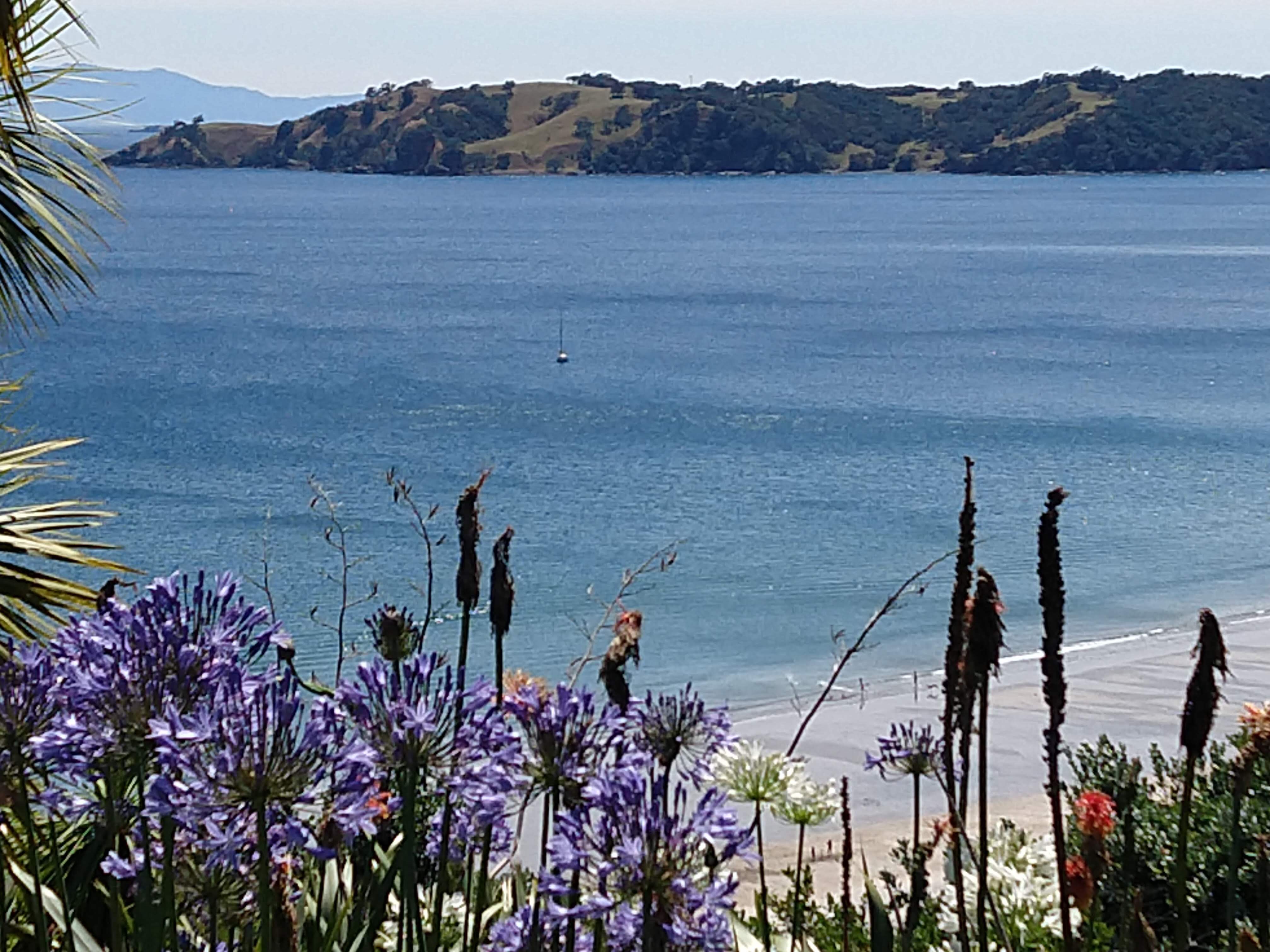
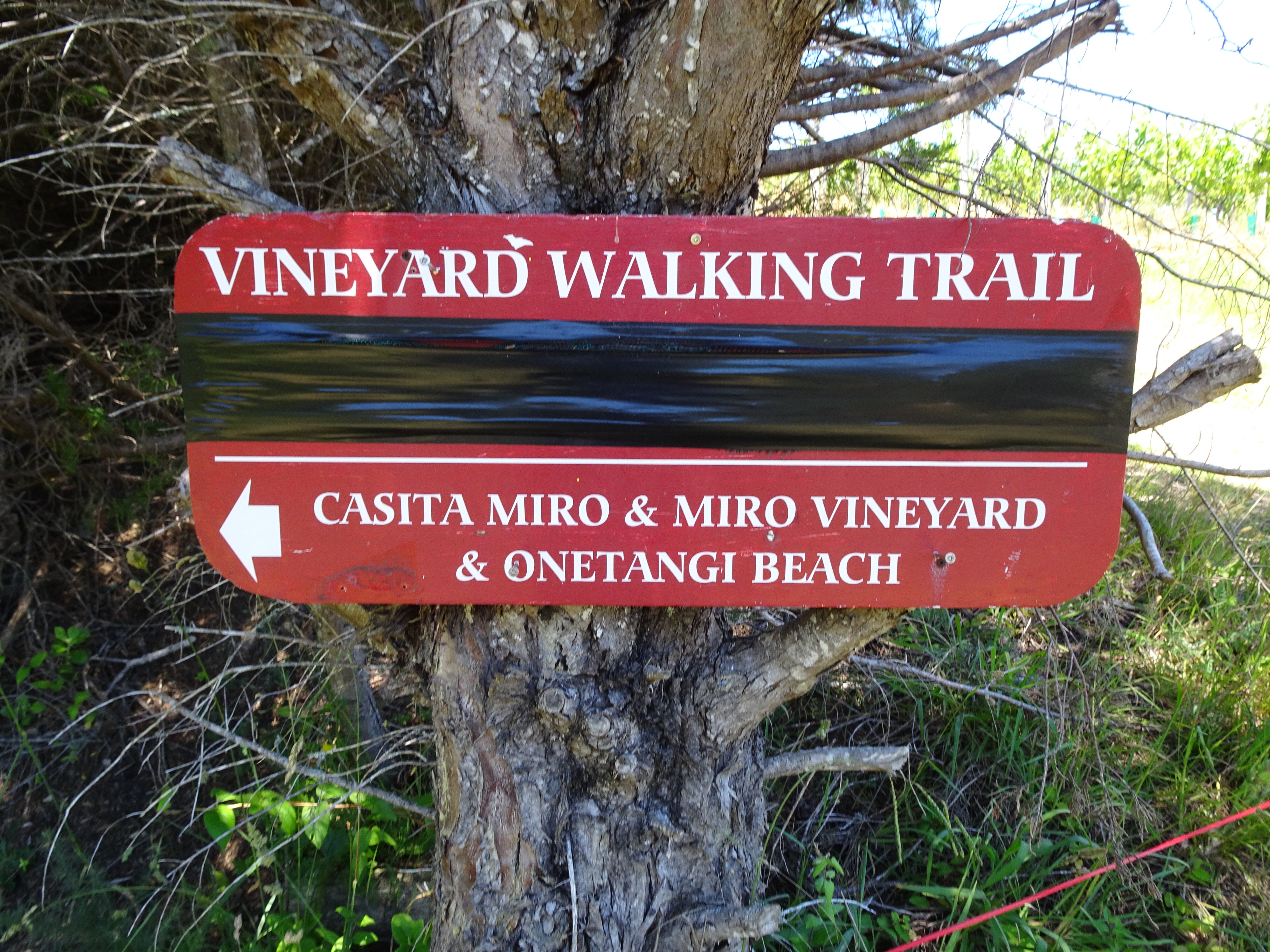
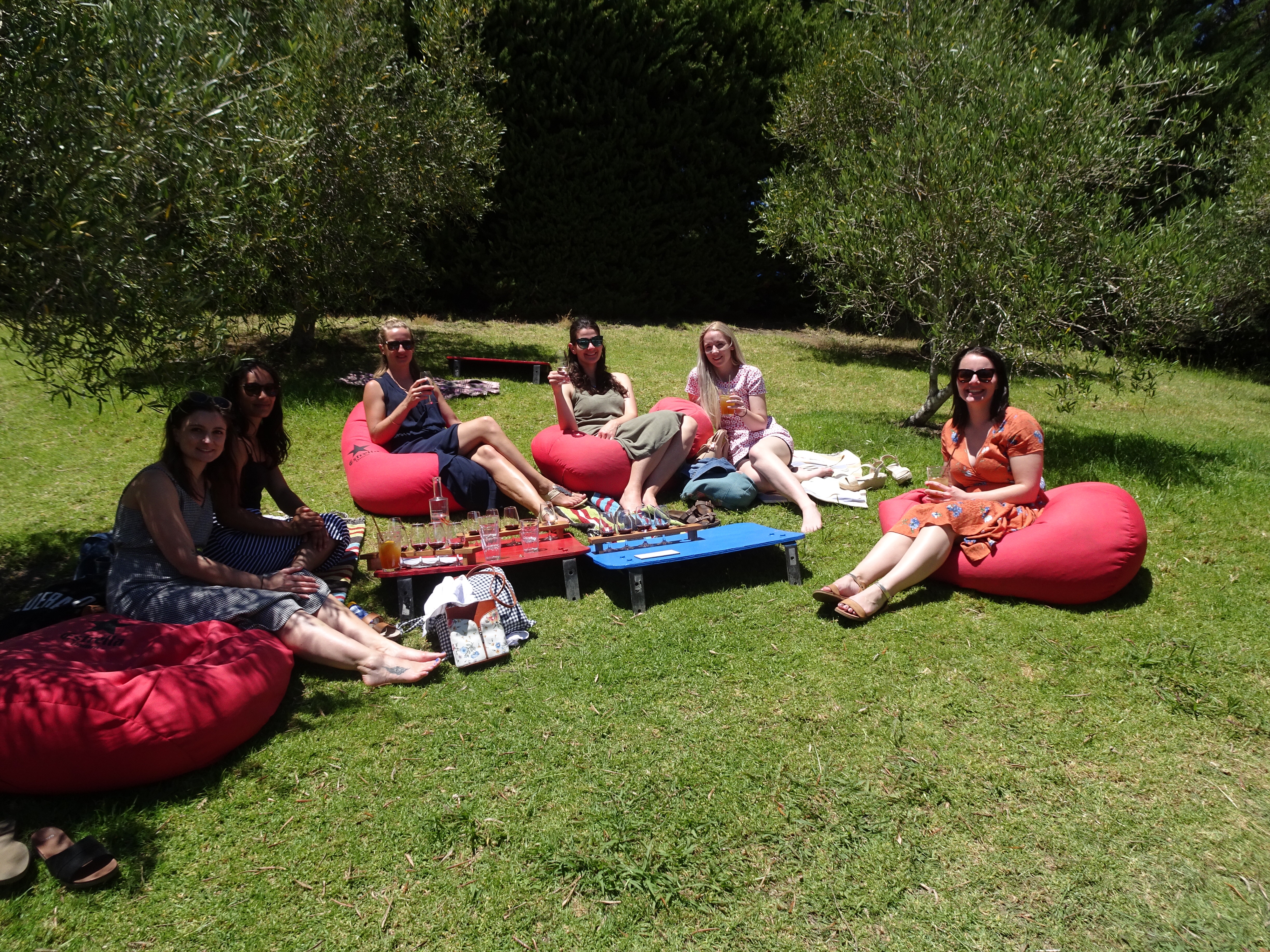
We took a bus to the end of the route, then walked about a half hour to a winery and restaurant called Casita Miro. We were attracted by the Spanish menu, and they did have great food and wine. It being the weekend before Christmas, the place was full of Aucklanders, reveling in their holidays.
Leaving Auckland behind, we head south to Rotorua.
 Rolling Through Kiwiland
Happy Hanukkah eve ! And winter solstice yesterday. LOVED the blog posting ! so much interesting info and great and beautiful pics !!!! looks like you two are having a BLAST !!!!
when I was in NZ in 73, there were no coffee shops. Everyone was into drinking instant nescafe with half milk. my how things change ! I’m sure bread isn’t 17 cents a loaf either…. haha.
it is dec 22 here now in the am. It’s the 23rd there, right ?
Travel on !!!!! Let the good times roll !!!!!!! xxoo
LikeLike
Most excellent report, please keep ’em coming. Mele Kalikimaka, Haole Makahiki Hou
LikeLike
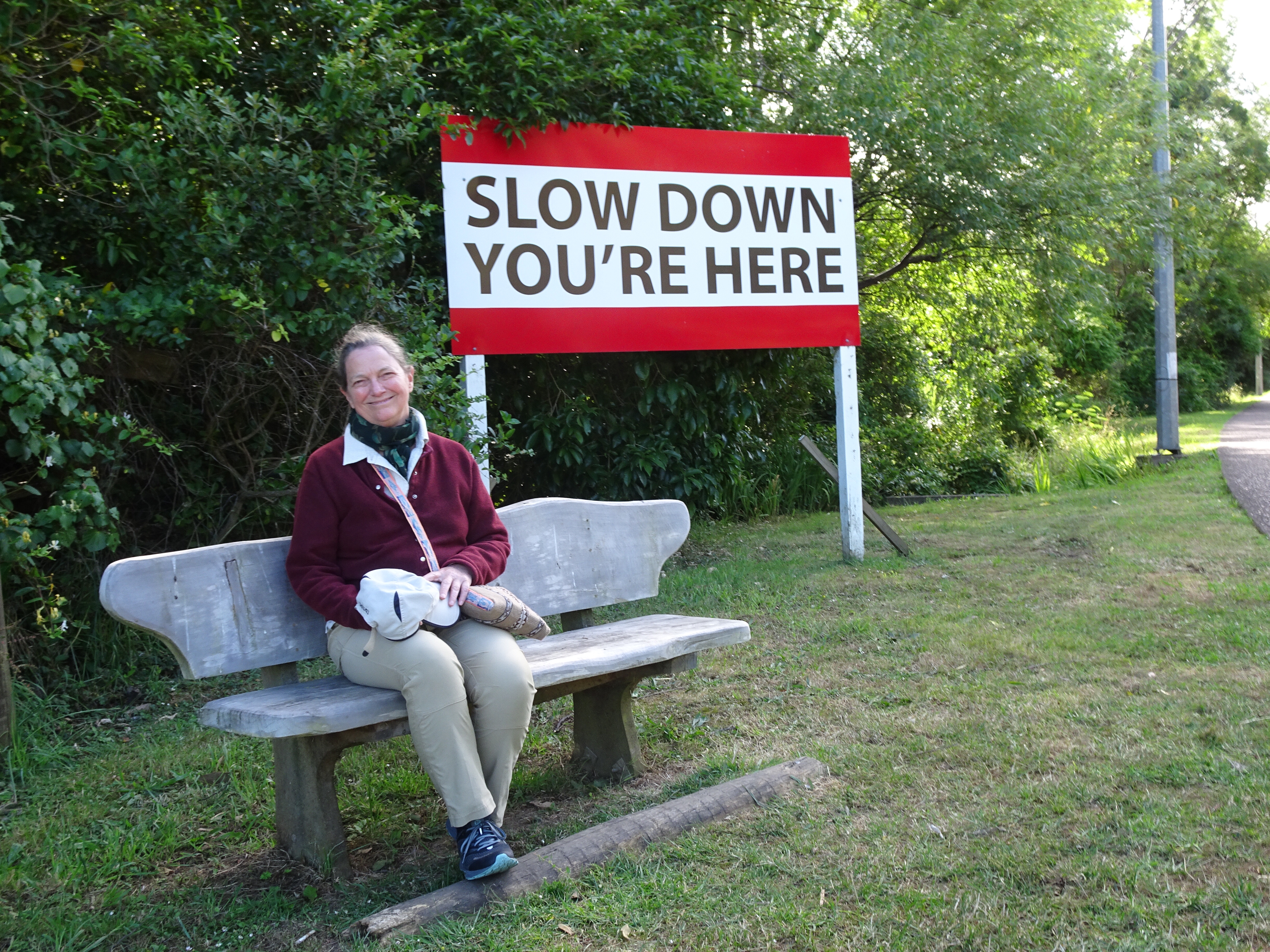
Oh WOW — I would love to be a Kiwi. I appreciate the way they live and think. Big difference. “Slow Down You’re Here” — what a great sign.
You are in such a special place, don’t know that I would be able to leave.
LikeLike
Aloha and Feliz Navidad to you ! What a fascinating location. Keep that bird list handy. I love to learn about new birds. Cheers and Happy Solstice! Merry
LikeLike
Hey! Great blog, I’m really enjoying the photos and the history. I’m going to request our library buy a copy of Island Nurses.
Love you guys!
LikeLike