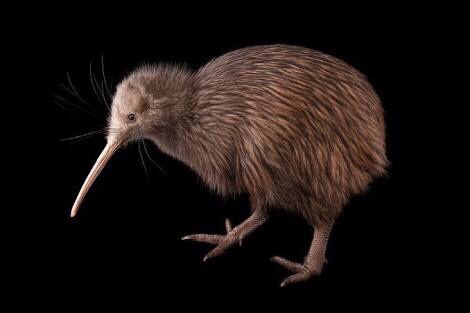
The kiwi is a funny animal to pick for your national symbol. Really, it is quite unimpressive. It cannot fly, it is defenseless, it hides during the day, and practically nobody ever sees one. It doesn’t inspire people to swagger. When you compare it to other national symbols, like the bald eagle, which is a highly visible, intimidating predator, it just doesn’t hold up. Afghanistan has the snow leopard. Colombia has the condor. Finland has the brown bear. Iceland the gyrfalcon, which is perhaps the world’s fiercest falcon.
What the kiwi represents, though, is the uniqueness of New Zealand’s wildlife and the treasure of its culture. It also perhaps is a symbol of the quirkiness of New Zealand. It is not found anywhere else in the world, and it has evolved in its own unique way. It is more like a mammal than a bird, in that it has a strong sense of smell, touch, (it can detect vibrations that bugs make), and hearing. Its nostrils are at the very end of its beak, so it can sniff out the tasty bugs. It doesn’t have a tail, and does not have wings. It has heavy bones and strong legs, and it digs its own burrows. It has evolved for millions of years in a place with no predators, and there were more than ten million of them when the Maori first arrived, about 800 years ago. Even though the Maori hunted them, they also revered them.
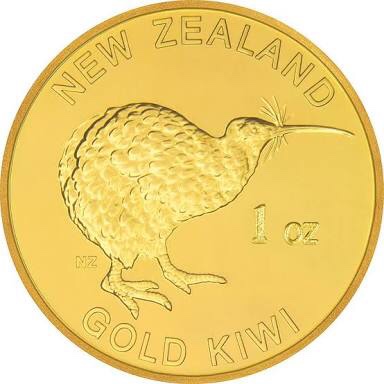

Today there are about 60,000 kiwis alive. There are breeding programs and sanctuaries, mostly on pest-free islands, and they are sacred here. We saw a kiwi at the Auckland Zoo, in a dark and silent wooded enclosure. They turn the lights on at night to simulate sunshine and the birds hide, then when visitors are there, they simulate night-time. If you’re lucky, you can see the birds skittering along in the bushes, trying to find worms and insects. Almost nobody ever sees one in the wild anymore.
An Eco-Sanctuary in Wellington
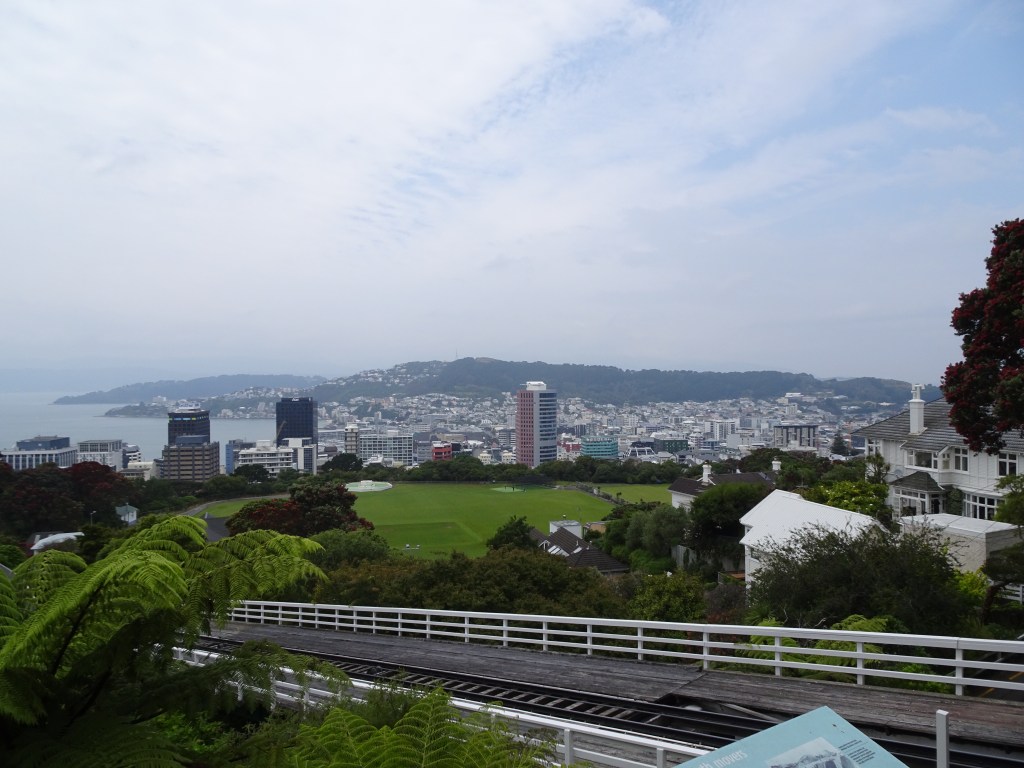
Wellington is the capital of New Zealand even though it is not the biggest city. It is the southernmost capital city in the world. The population is around 250,000 people. It has a huge harbor, and it is halfway up, or down, the country, so it made sense in the 1860’s to locate it where the islands are closest together.
Most people come to New Zealand for the nature. Everywhere you go, there is stunning scenery and outdoor marvels. One thing that Wellington has is a world-class urban eco-sanctuary. We went to Zealandia one day while we were here, and it left us impressed, inspired, and humbled.
This place was started twenty five years ago, with a 500-year vision. The vision is to restore the Karori Valley to how it was before the arrival of humans. Extremely ambitious. This is a non-profit, community-directed project. Today, there are about 100 paid staff, and 500 volunteers actively managing it. It is a world-class conservation site which has pioneered techniques in the “eradication of invasive species and the recovery of endangered native wildlife.”
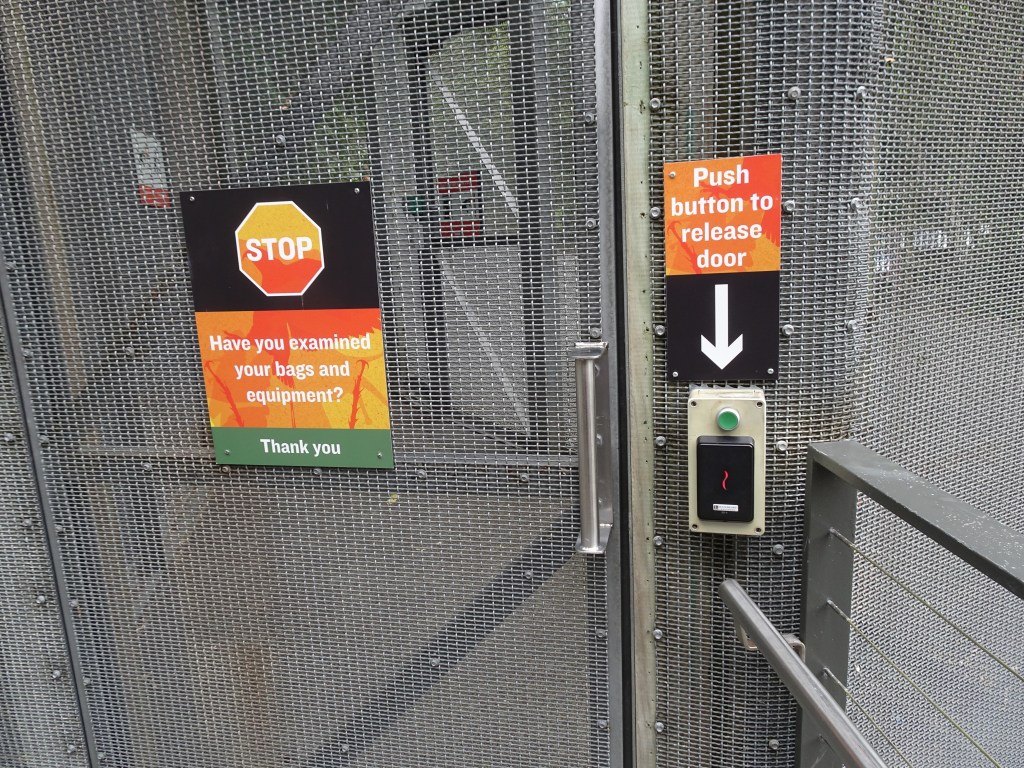
The first thing they did, after founding the steering committees and forming all the legal agreements, was build a predator-proof fence around the perimeter. The valley is approximately one square mile (around 600 acres) and there is about five and a half miles of fencing. The fence is designed to (and it does!) keep out rats, possums, stoats, (weasels) cats, and rabbits. None of these pests were here 1000 years ago, and much of the native bird life was quickly decimated when they arrived.
You have to remember how isolated these islands were until just a blink of an eye yesterday. They were on earth with no humans until 800 years ago. There were no mammals here, except for two species of bats. No deer, no bear, no warm-blooded mammals. The place was full of flightless birds. They evolved and lost their wings because they didn’t have to escape predators. The Maori brought rats with them on purpose, for food. The English brought them unintentionally. The rats have been very successful. The European settlers brought possums over to breed for the fur industry, and rabbits for food, and then they got out of control and the farmers demanded action. So, the government brought over stoats in 1884 (they’re similar to ferrets and weasels) to kill the possums and rabbits. Well, you know how that goes. Now they are all widely dispersed and widely despised. They kill birds. They eat crops. They spread disease.
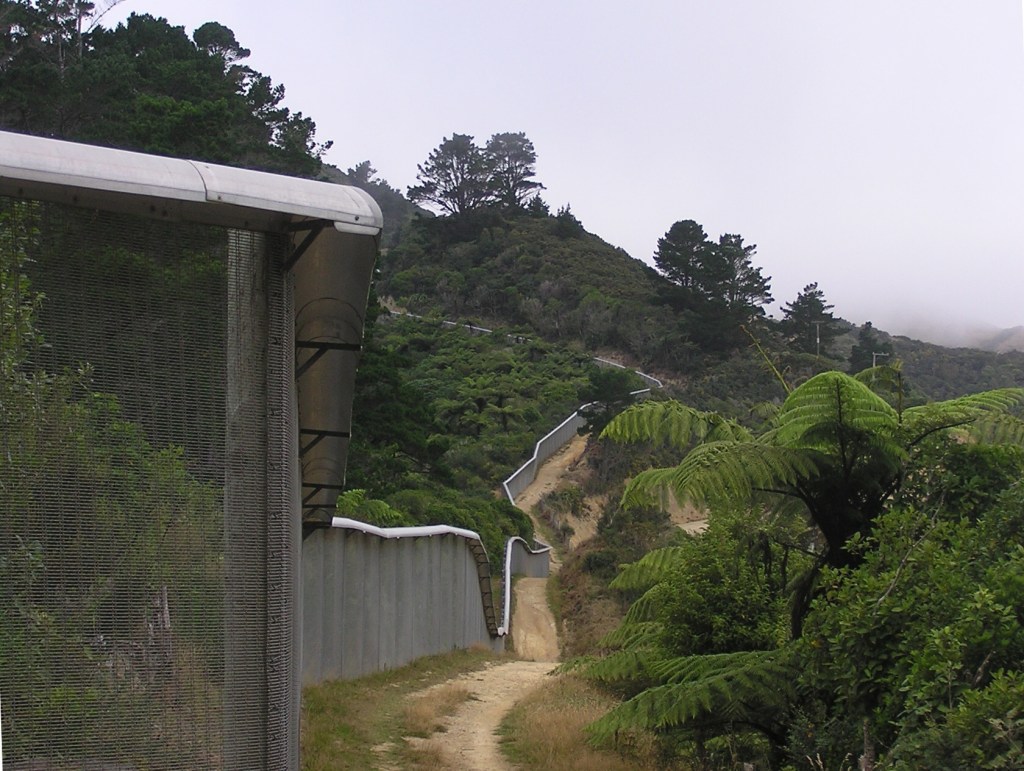
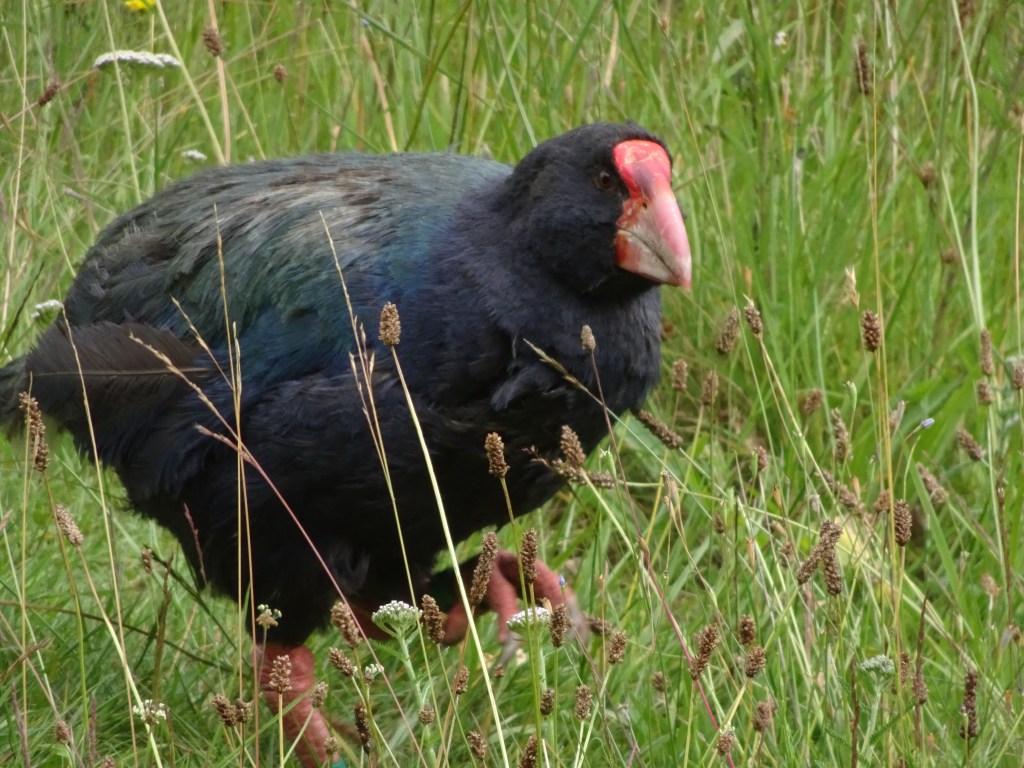
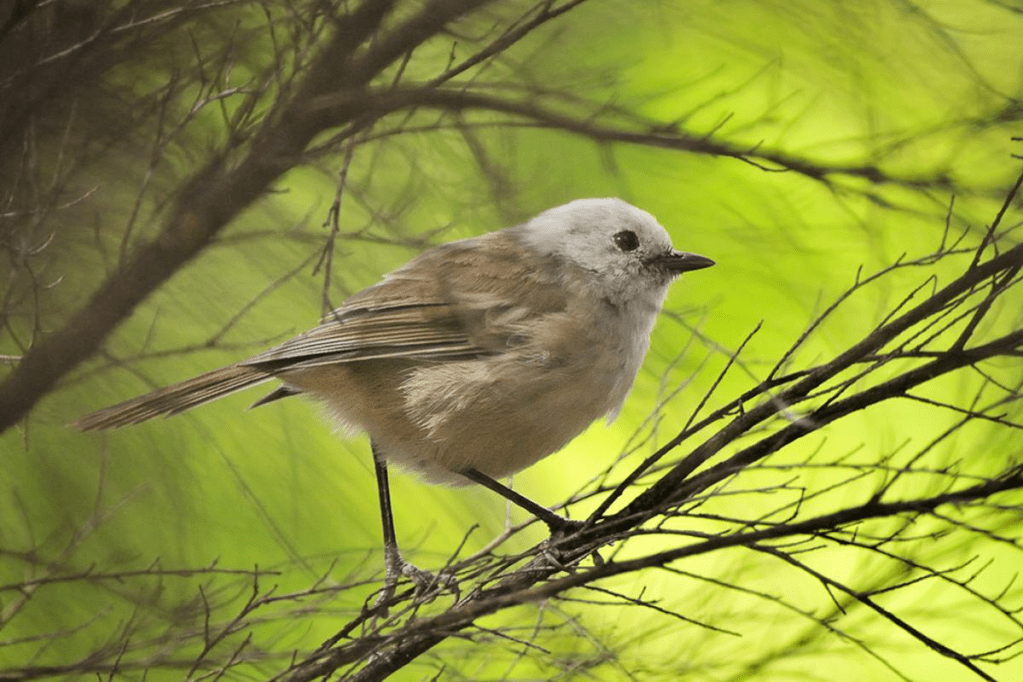
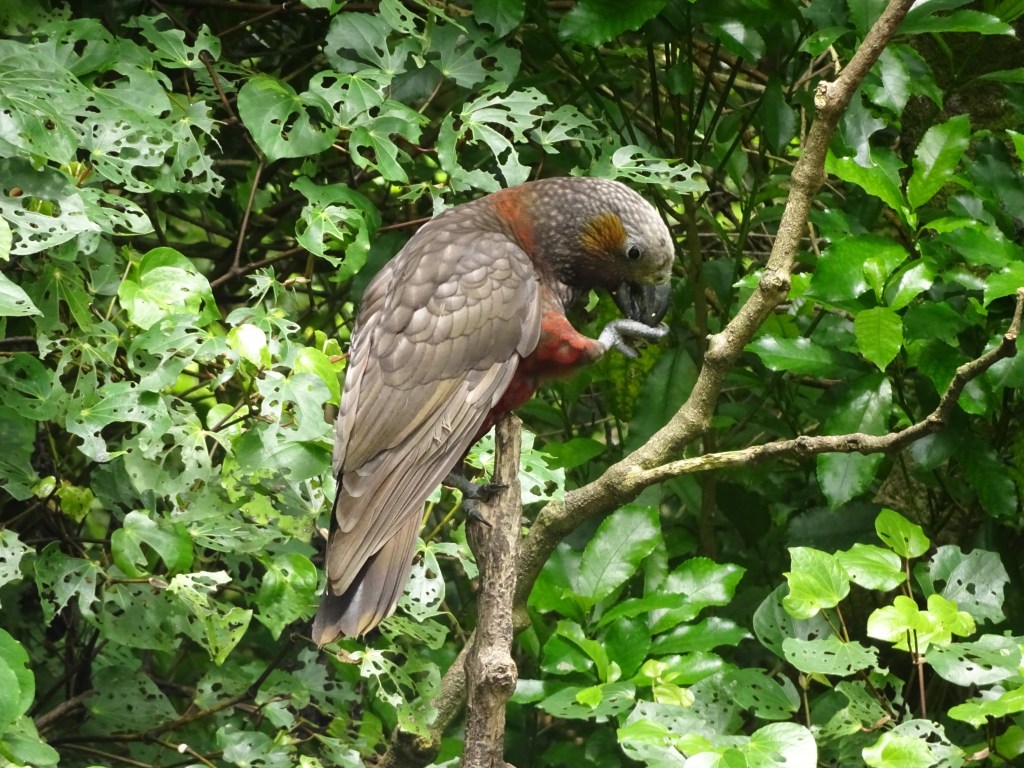
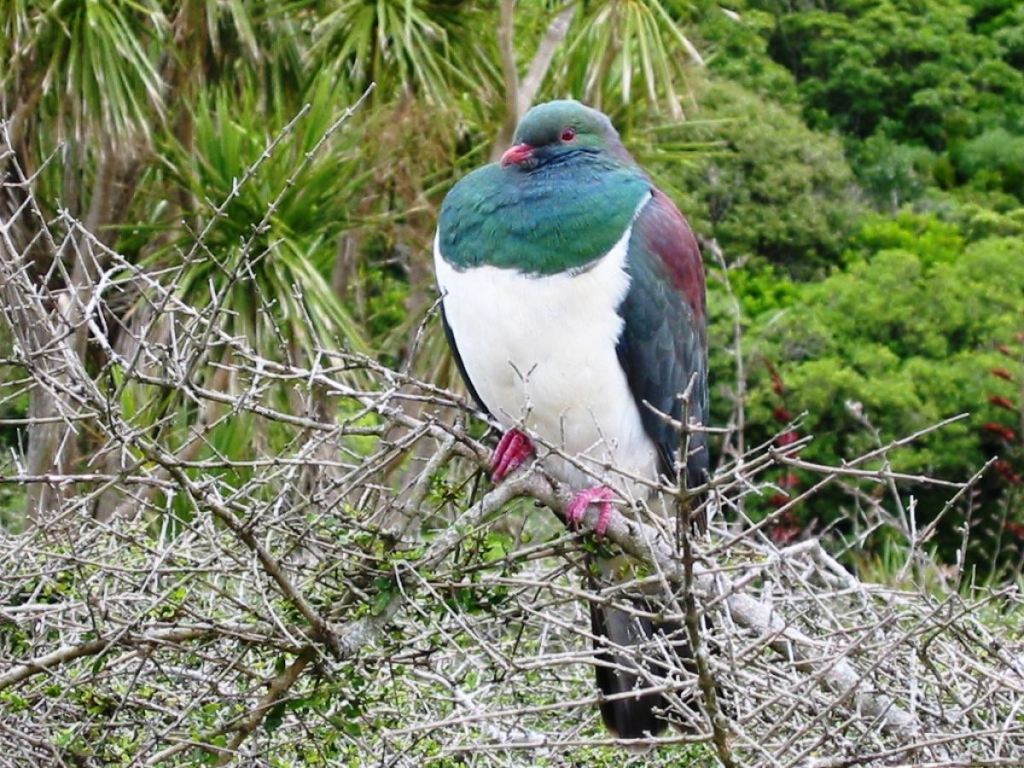
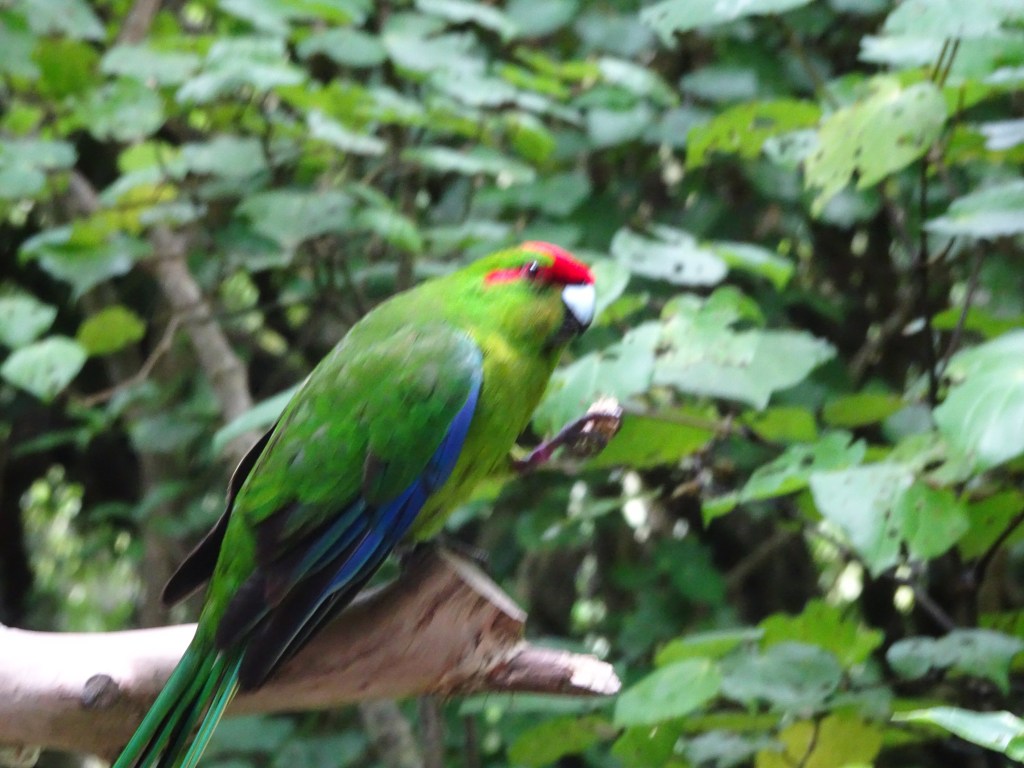
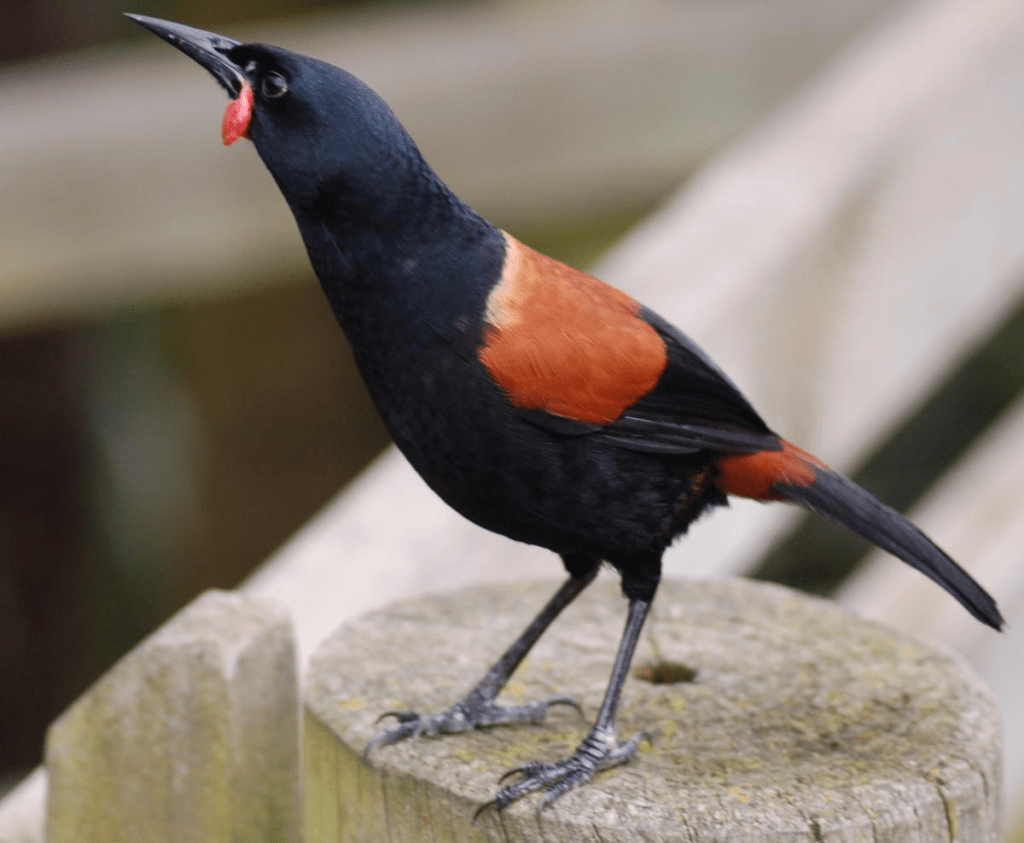
The fence was completed in 1999, and soon after, all the pests inside were eliminated. Monitoring is continuous, but this square mile has been basically pest-free for twenty years now. Next was the introduction of native and endangered wildlife, mostly birds. There is no net over Zealandia, so birds can come and go, and they do, but they are pampered inside the fence, and they seem to know they are safe, and they breed inside. It is not a zoo. The birds just live here. They are also much more visible throughout the Wellington area. Many birds came very close to us. Some we’ve seen in our brief month here, but some were new to us. There are kiwis here, though we didn’t see them. The takahe is a large, flightless, endangered bird. The kaka is a large brown parrot. We also saw the large native pigeon (not like the North American pigeon) and the fantail, the kakariki, which is a red-headed parakeet, the bellbird, the whitehead, and the saddleback.
The entire country is focused on getting rid of the introduced predators and pests. There is a government plan called “Predator Free 2050,” which has a goal of eradicating all mammalian and marsupial introduced predators by 2050. Rats, possums, stoats, feral cats. We have seen predator traps and poison stations on trails. People in the cities are encouraged to put traps around their houses. This is an active movement. Just last year, two twenty-year old Kiwis in Wellington used Kickstarter to start a business where people could donate money for a trap, have an app on their phone and be notified when their trap killed a rat. The traps are called A-24 traps, and now they are all over the country, and people’s phones are squawking with each new kill. Some people think that a predator-free New Zealand is not possible, but everybody agrees that it is a worthy goal, and the country is determined.
Windy Welly
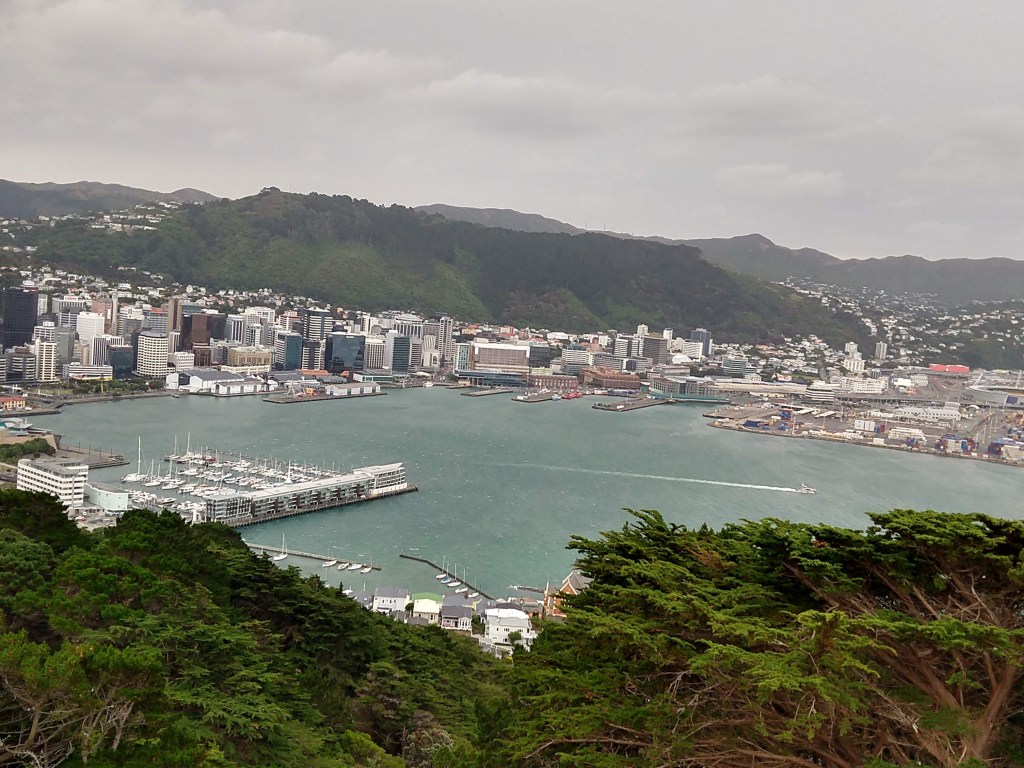
It is difficult to quantify, but Wellington has the reputation of the world’s windiest city. The city sits on the northern border of the Cook Strait, which connects the Tasman Sea to the wide open Pacific, and which separates the North Island from the South Island. It is also ringed by mountains. The westerly “roaring forties” (forty degree latitude) rip across the Pacific and are funneled through the Strait. Wellington catches the brunt. It’s not all bad, though. Wellington’s electricity is all wind-power. Nearby Picton, on the northern edge of the South Island, has dramatically different weather. (Sunnier and warmer.)
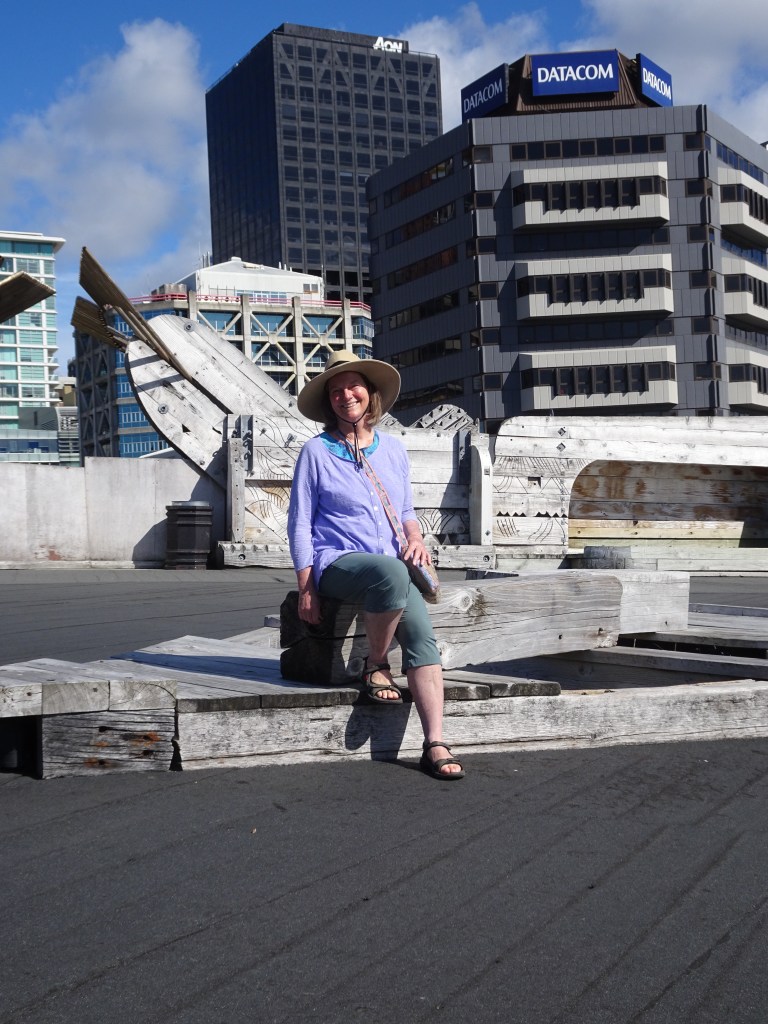
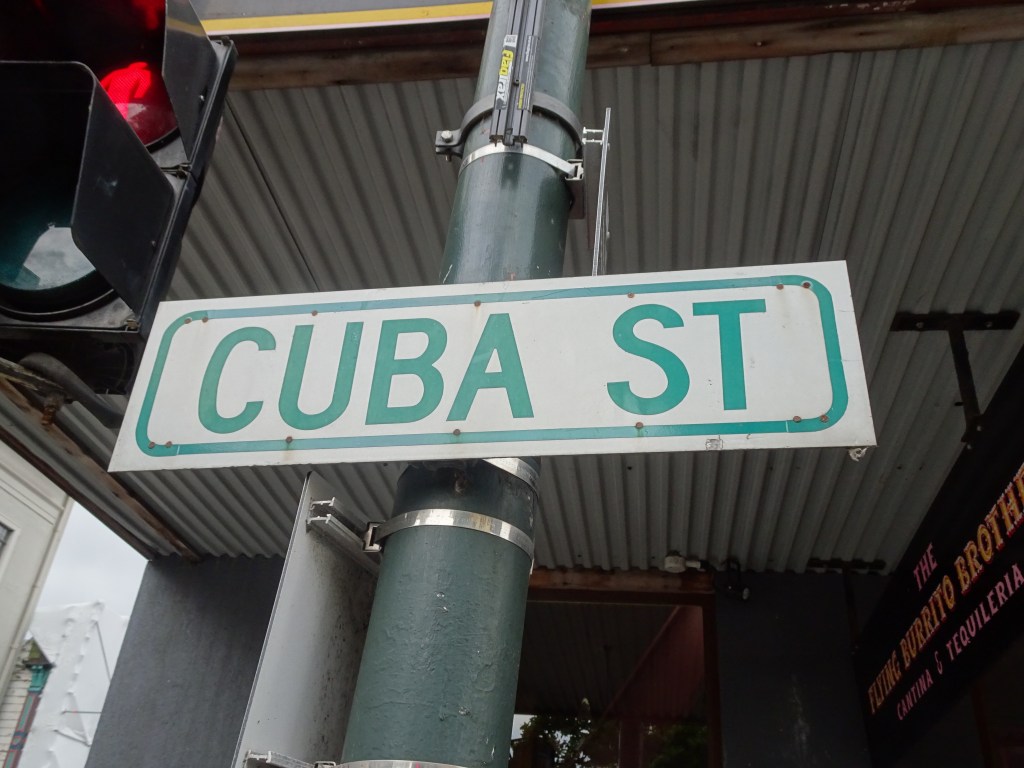
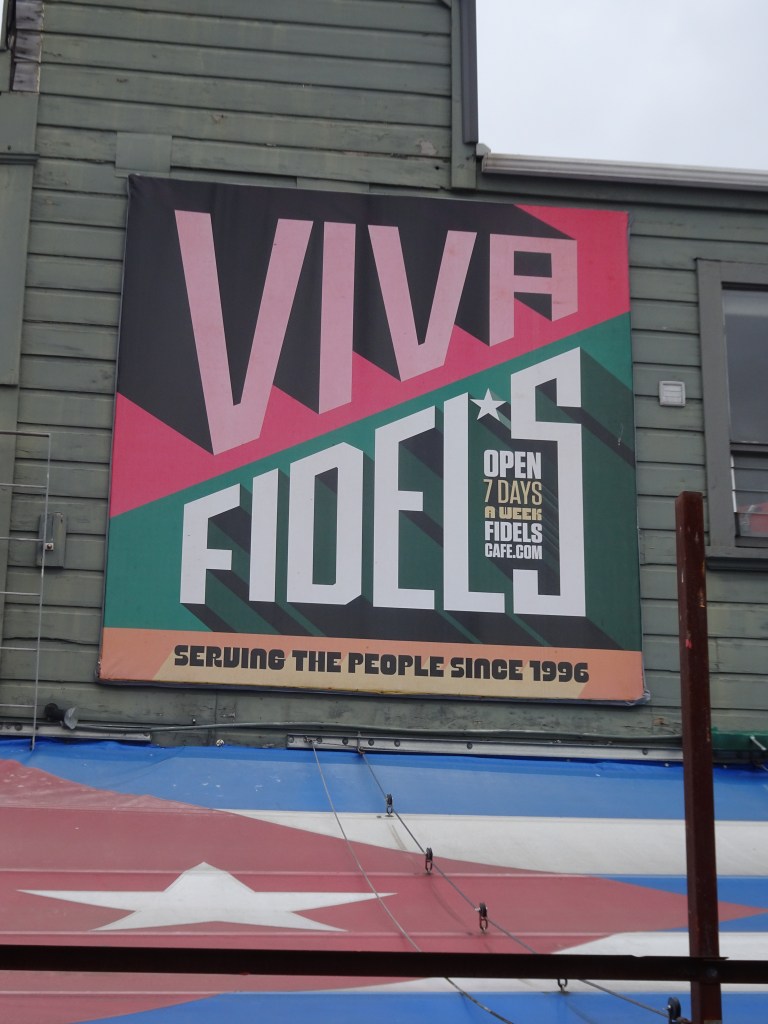
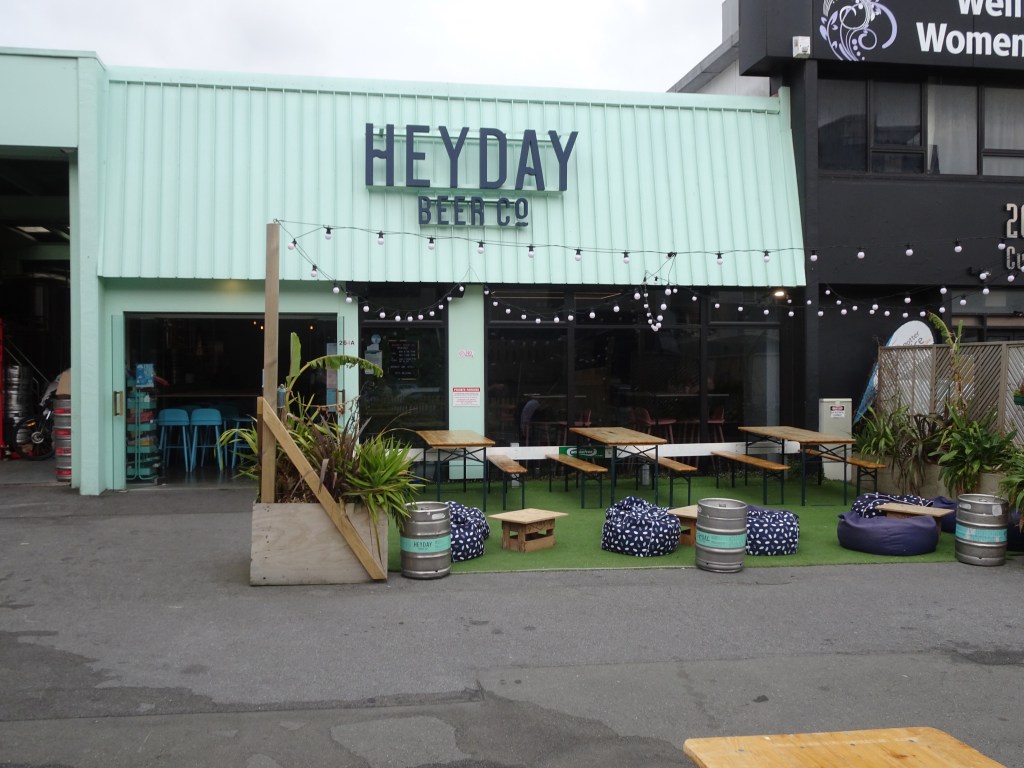
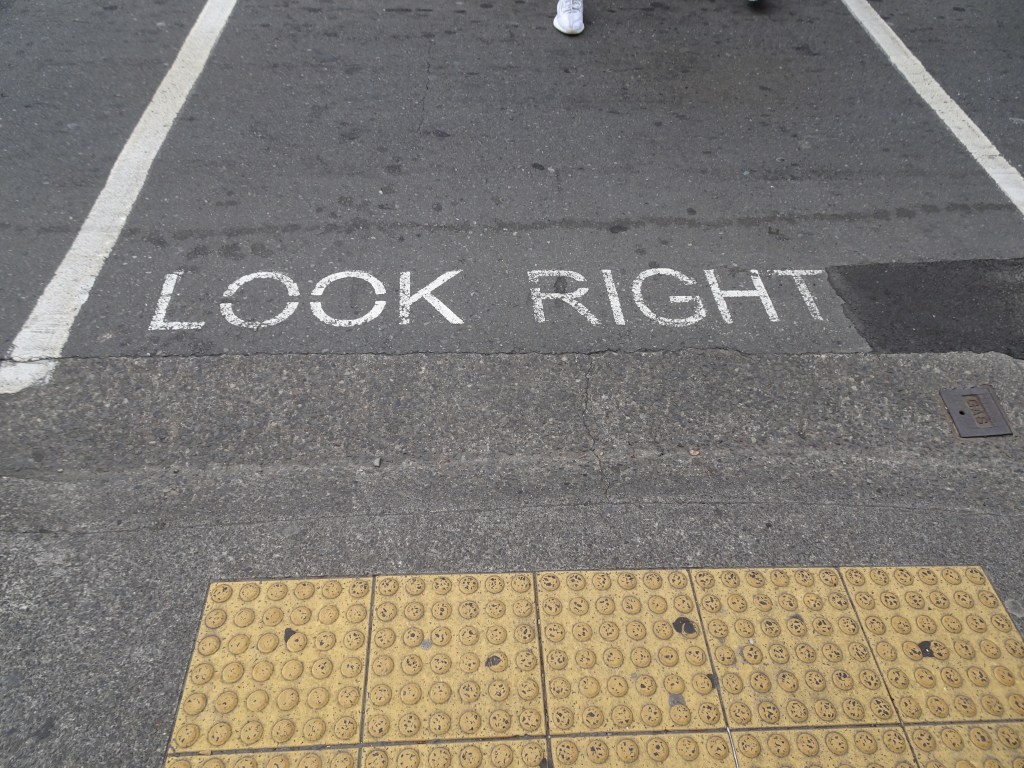
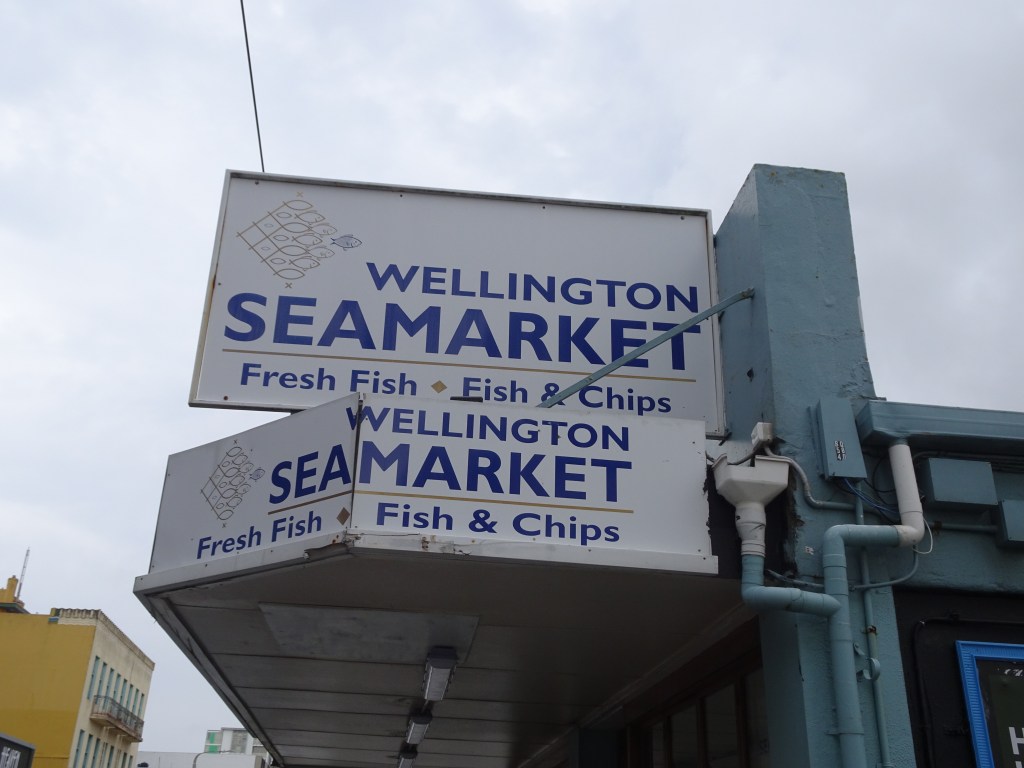
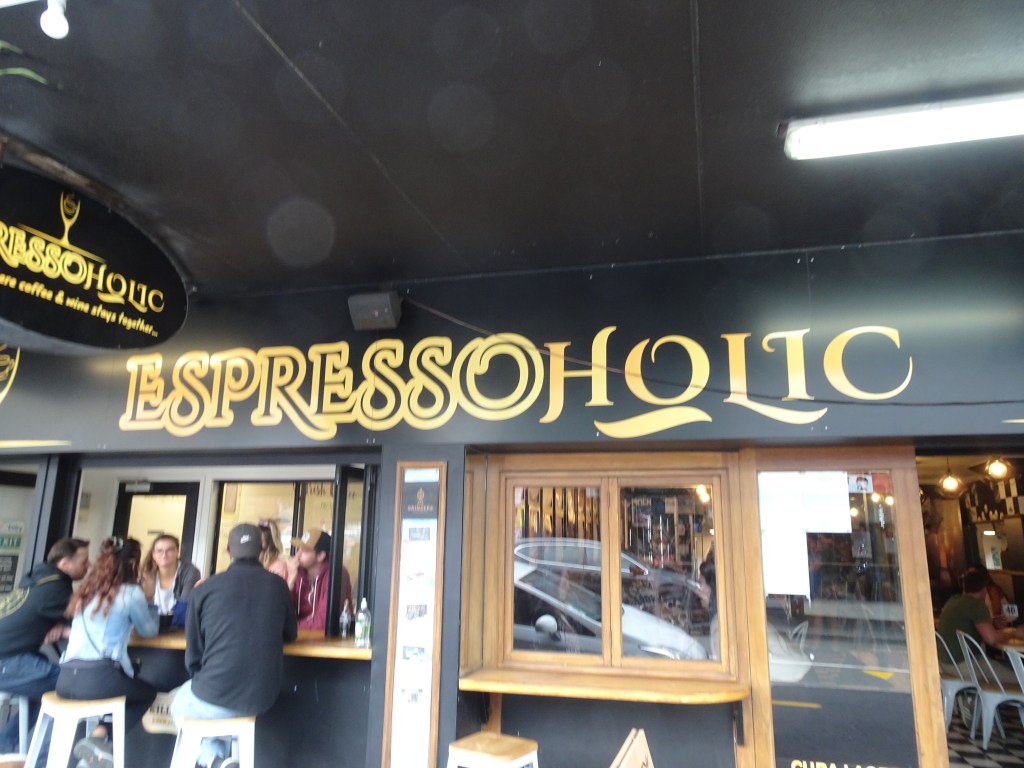
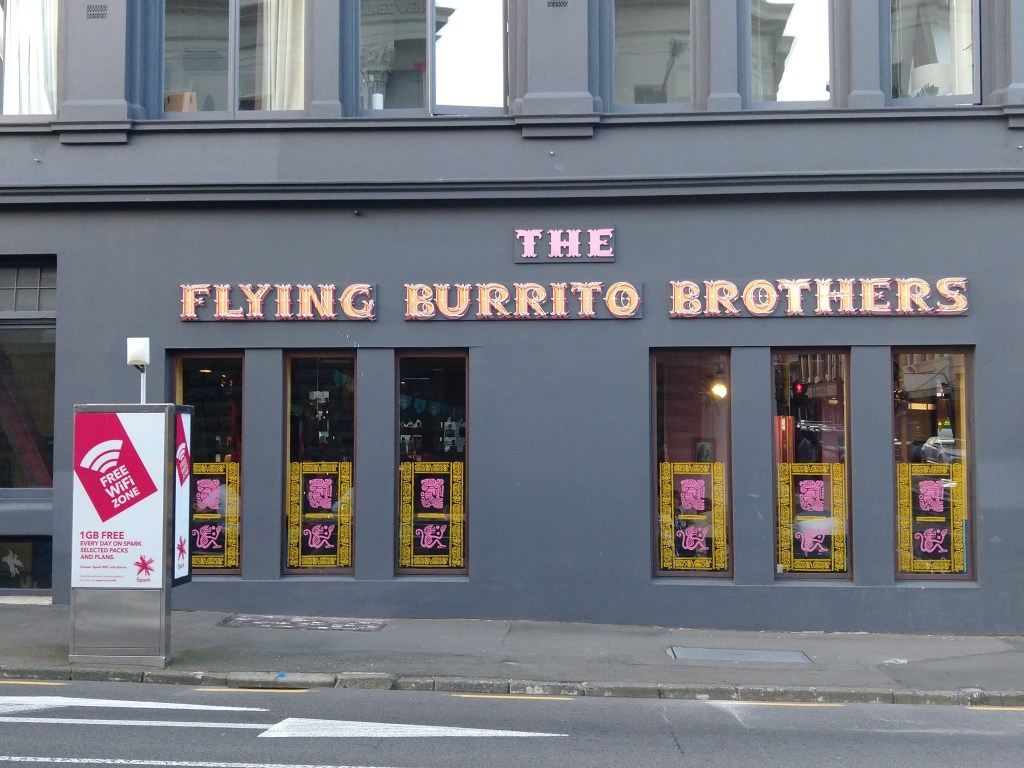
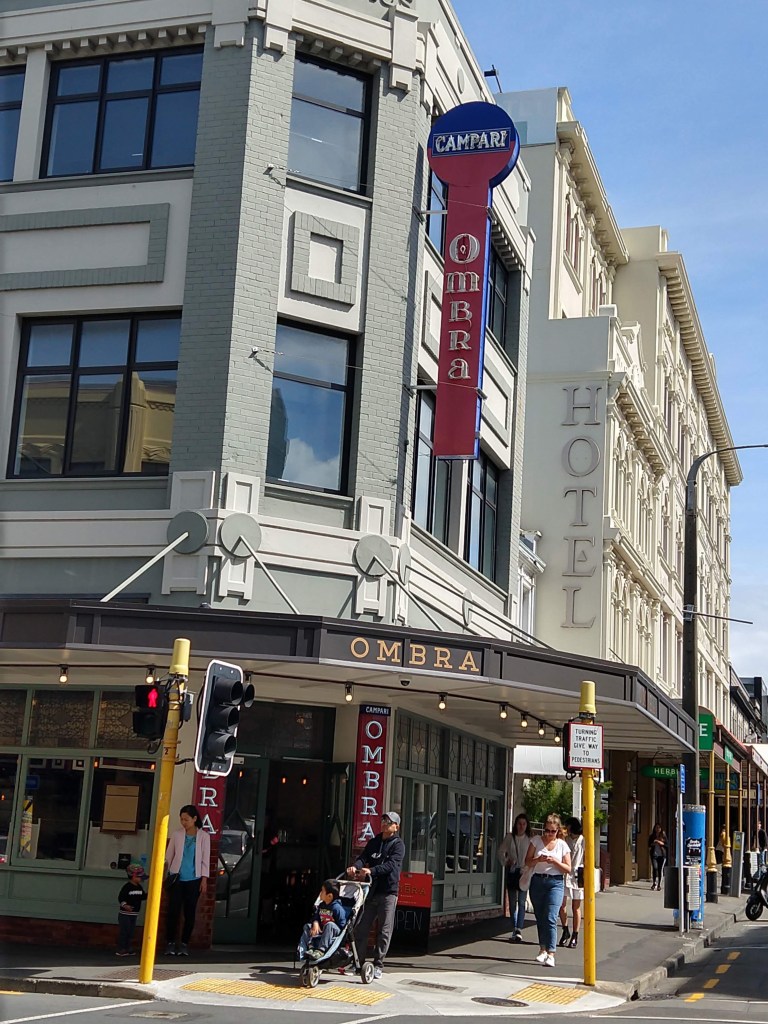
Wellington is compact and walkable. We stayed in a little cottage just off of Cuba Street. The main part of downtown, the waterfront, was a fifteen-minute walk. Cuba Street is filled with restaurants, coffee houses, and brew pubs, and is a lively place for get-togethers. Wellington draws people from all over the world, due to its being the capital, and it is evident, due to its being so small.
NZ Literature
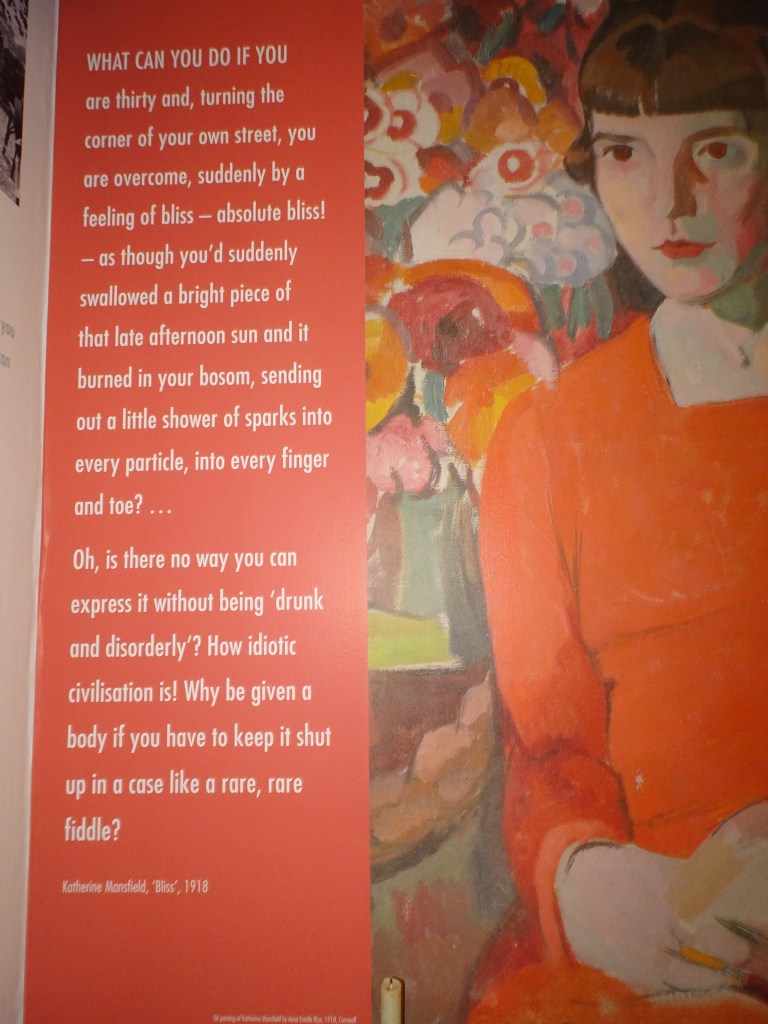
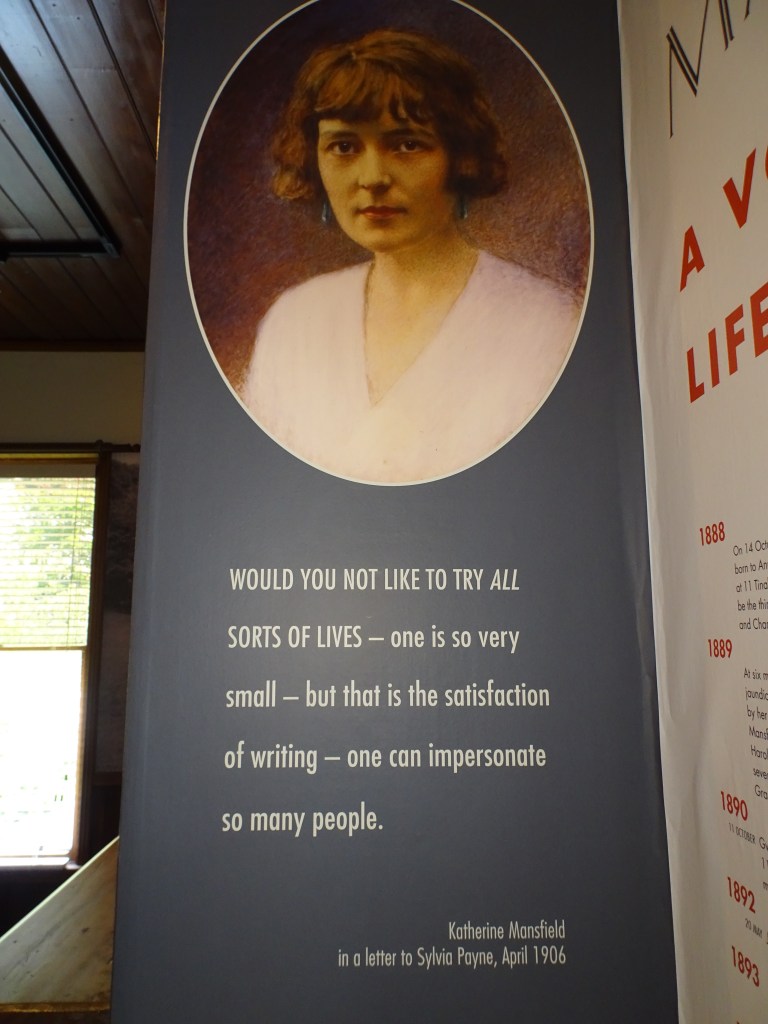
Katherine Mansfield is perhaps New Zealand’s most famous writer. She lived and wrote at the beginning of the 20th century, mostly short stories with a focus on women’s lives at that time. Monica has been reading some of her stories, and we went to visit her birthplace and home where she grew up. She and Virginia Woolf were contemporaries and friends, and Mansfield wrote of women’s struggles for equality in relationships and in the world. She died when she was thirty four years old.
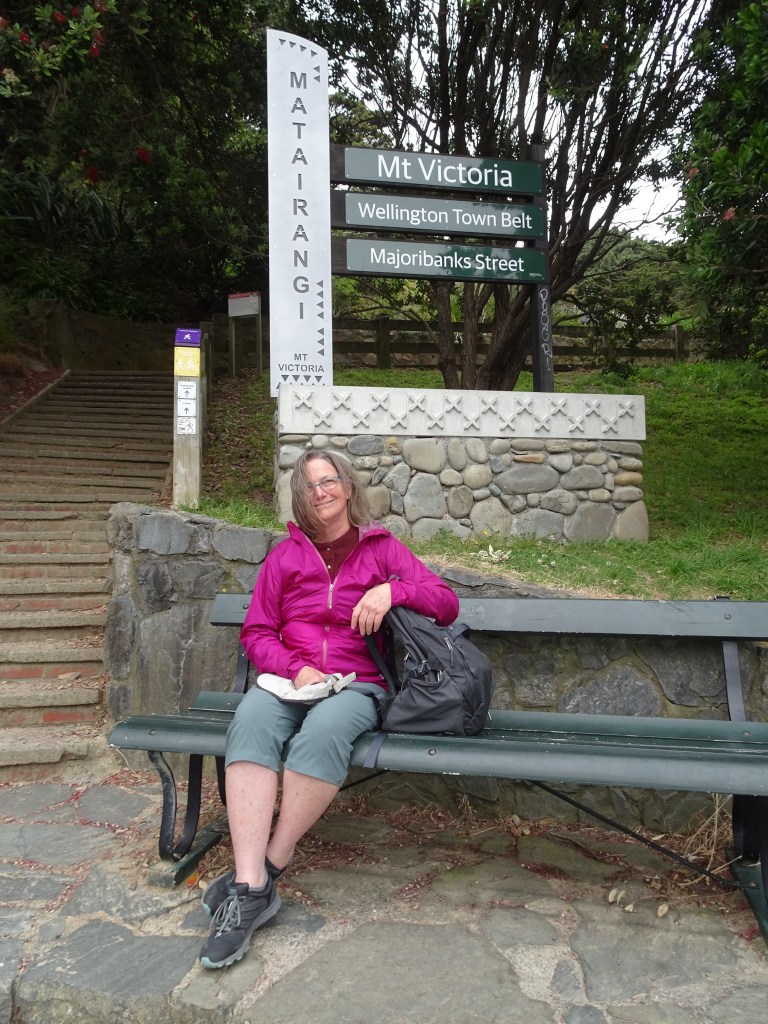
On our final day in Wellington, we hiked up to the top of Mount Victoria. You can get some perspective up there about the harbor and the geography of the city.
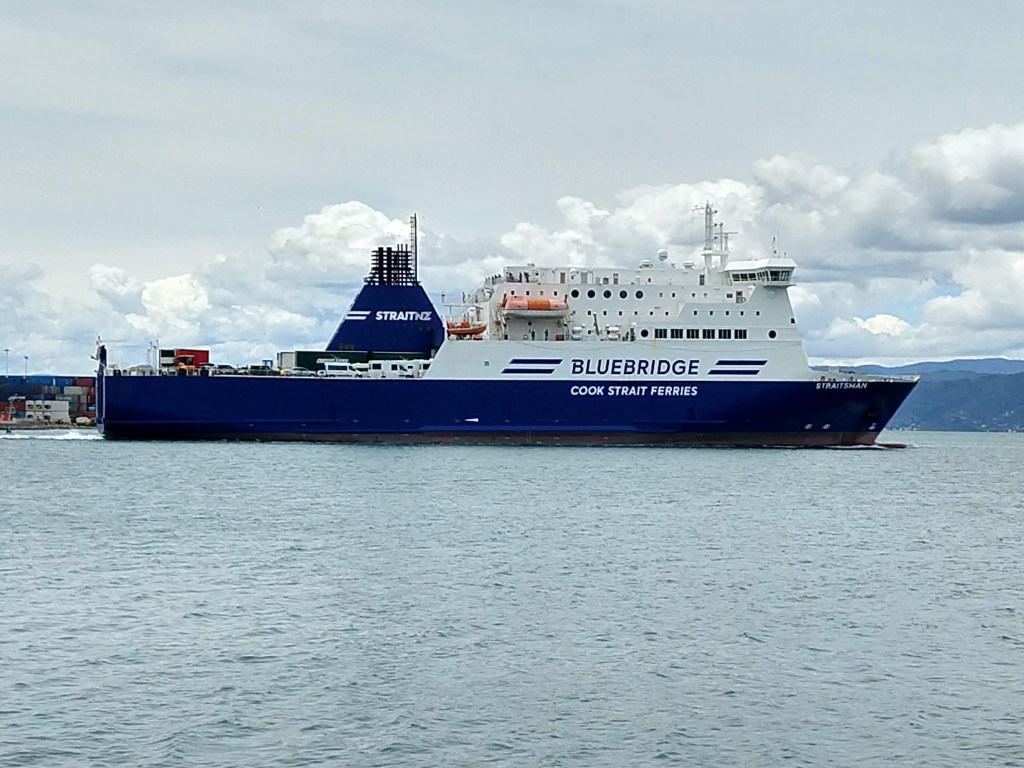
We will be back to the North Island, but now we are heading across the Cook Strait, to the South Island, to see for ourselves what is there.
 Rolling Through Kiwiland
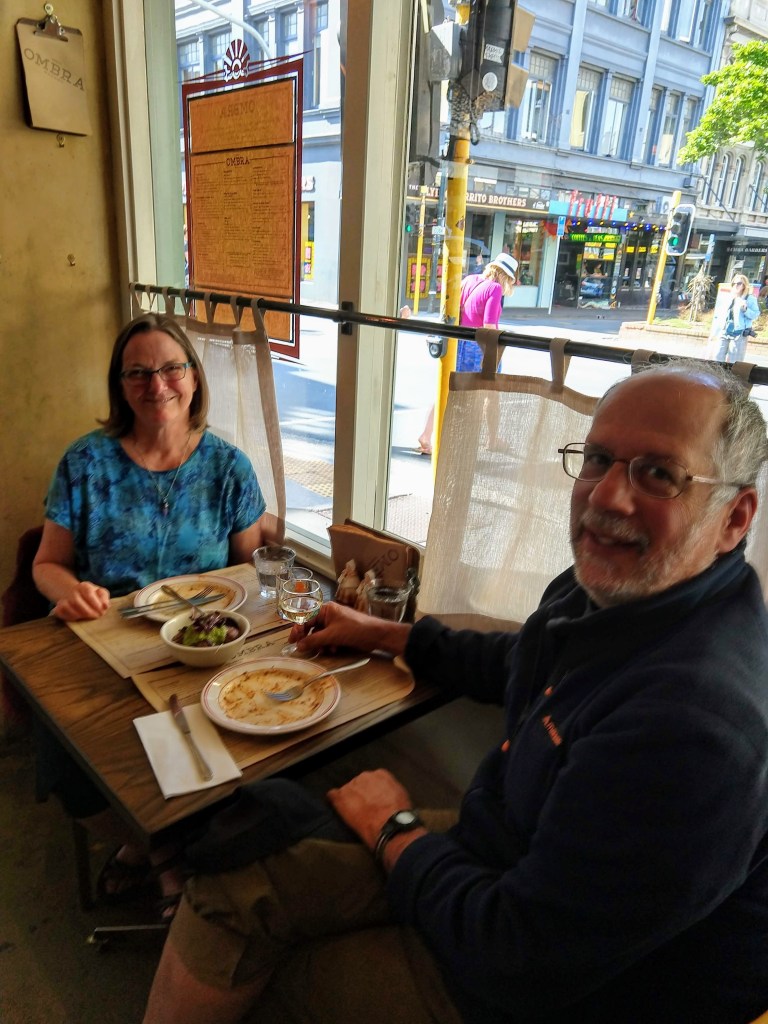
Great to see where you are and what you are up to! Thanks for al the great photos. My favorite is of the two of you in your favorite restaurant!
Sending much Love,
Maril
LikeLike
So enjoying your stories, informative travelogue and of course the pictures! Looks like a fabulous beginning to 2020. Happy New Year to both.
Xoxo
Denise
LikeLike
Oh, what a fabulous blog entry ! So so interesting ! You must be doing research over there….. mahalo ! love it !
Great pics !!! Wow, Wellington is a huge city now !~! I LOVED the writing you posted of Kathrine Mansfield !!!!!!
Happy Travels to the South Island ! xxoo
LikeLike
So interesting about the Kiwi ! I had no idea . Didn’t see any when I was there….. mahalo for that !
LikeLike