
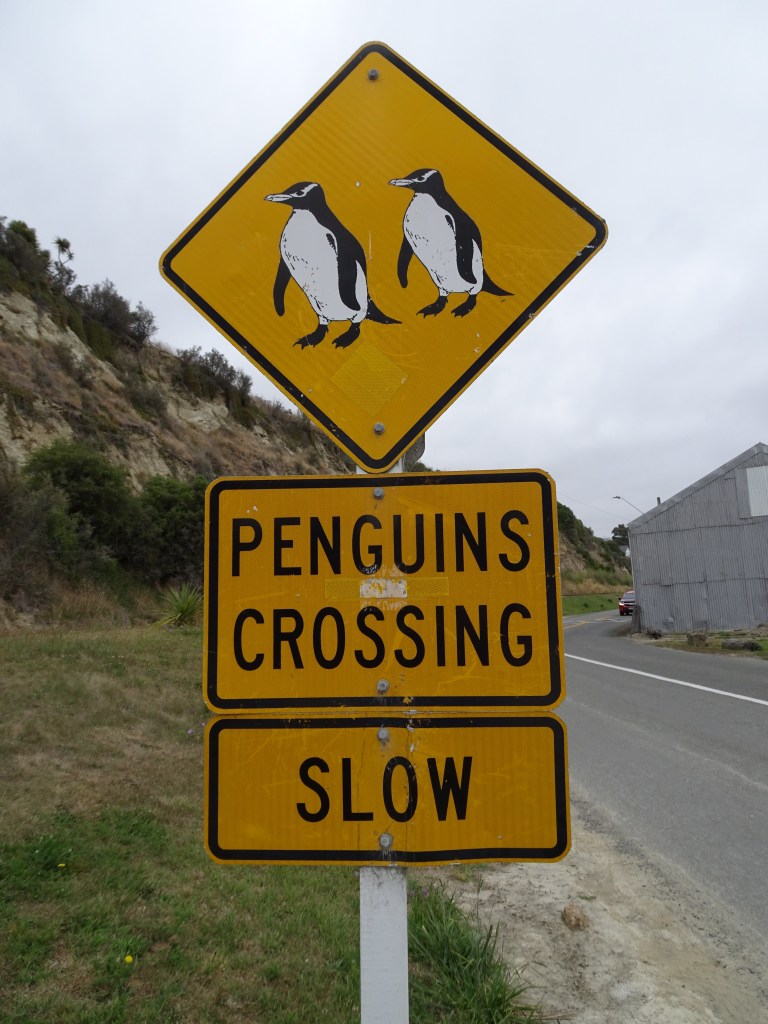
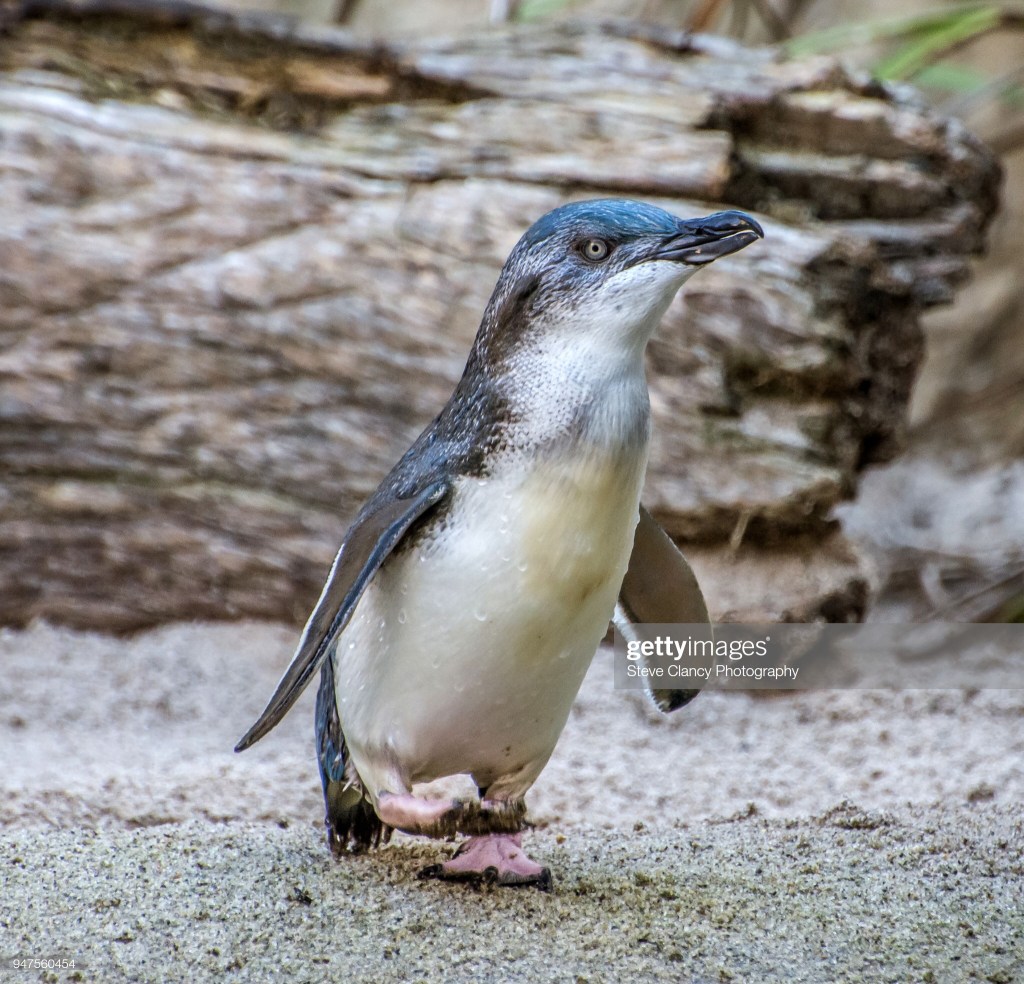
Oamaru is a tiny town on the coast, south of Christchurch, home to a colony of Little Blue Penguins. These penguins are endemic to New Zealand. (NZ is the only place in the world where they are.) Only about a foot tall standing, they are the smallest penguins in the world. There are several colonies around NZ, and Little Blues are the most common penguins here. What makes the Oamaru colony unique is the way that it is managed, and how successful it is.
The penguins were first noticed here in 1992, when this rocky beach was a rock quarry. People in the community, the Department of Conservation, and advocates for birds and wildlife pushed for the area to be set aside and put in the public trust. Now it is run by a private organization, Tourism Waitaki. (Waitaki is the region here.) The government has nothing to do with it. Protection of the penguin is its primary goal. Long-term viability of the colony is also a priority. The organization monitors and cares for wounded or ill penguins, traps predators, and generally keeps the birds safe on land so they can continue living and breeding here. The population is now growing about ten percent per year.
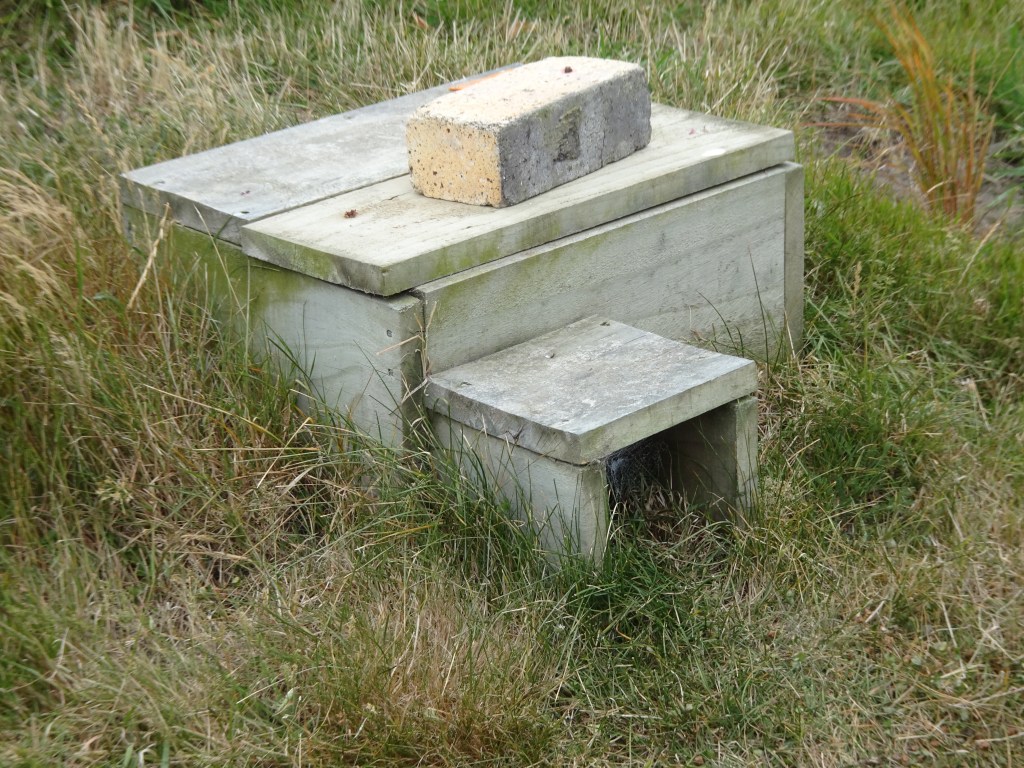
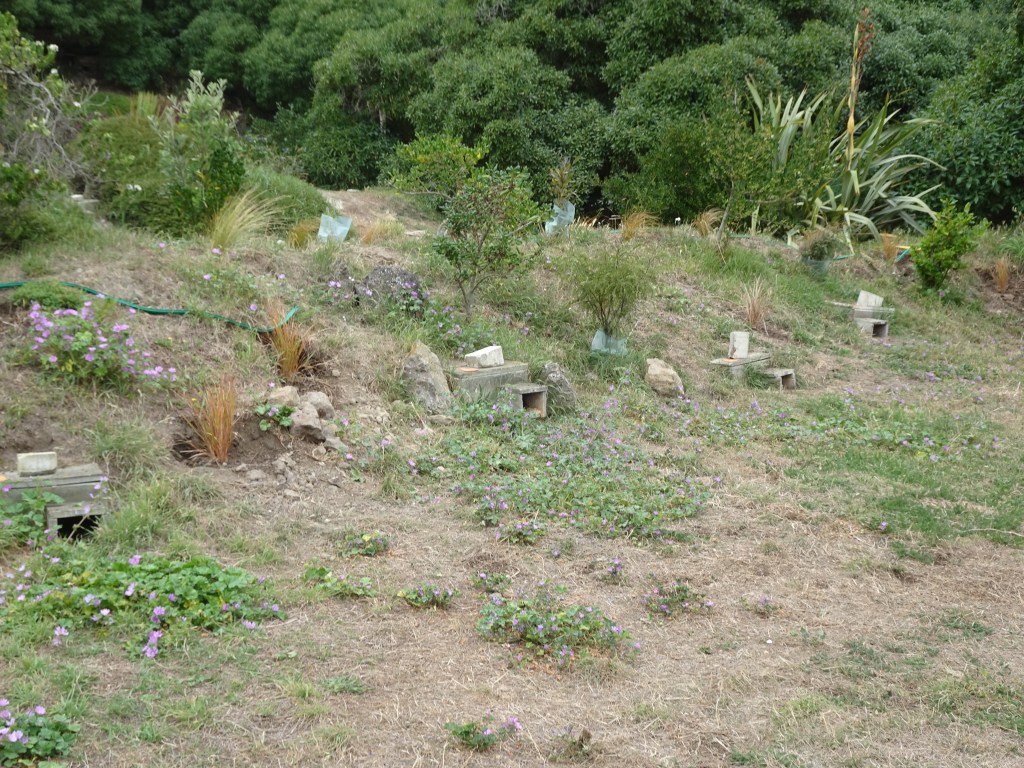
The organization has built nesting boxes above the beach in the hillside, and the penguins have eagerly adopted them. They stay in the boxes during the night. They lay their eggs in the boxes, and the chicks stay in the boxes until they are ready for the ocean. The boxes were built by volunteers, and the organization uses the money from the tourism to fund research and maintenance.
Every morning before sunrise, they leave their box and head to the ocean. They spend all day in the ocean, swimming and diving for food. The only times they don’t go to the ocean is when they are guarding the chicks, or when they are molting their feathers. Besides that, every single day of the year, year after year. It is a tough life. Every night they come back from the ocean, climb up the rocks, and crawl into their box. Each penguin goes back to the same box every night.
We bought tickets and went to the penguin show. The tickets were $25.00 each, and we showed up at dusk, took a seat and waited. Ninety percent of the people in the stands were Chinese, owing to the fact that we were there during Chinese New Year, and lots of people in China have a couple of weeks for travel. A curator gave a talk in English, and another curator gave a talk in Mandarin. They explained that the penguins come up every night, and they preen and oil their feathers, they cool off and dry out, and they make their way to their night-time homes. We waited and waited, and then they started arriving. This is the show.
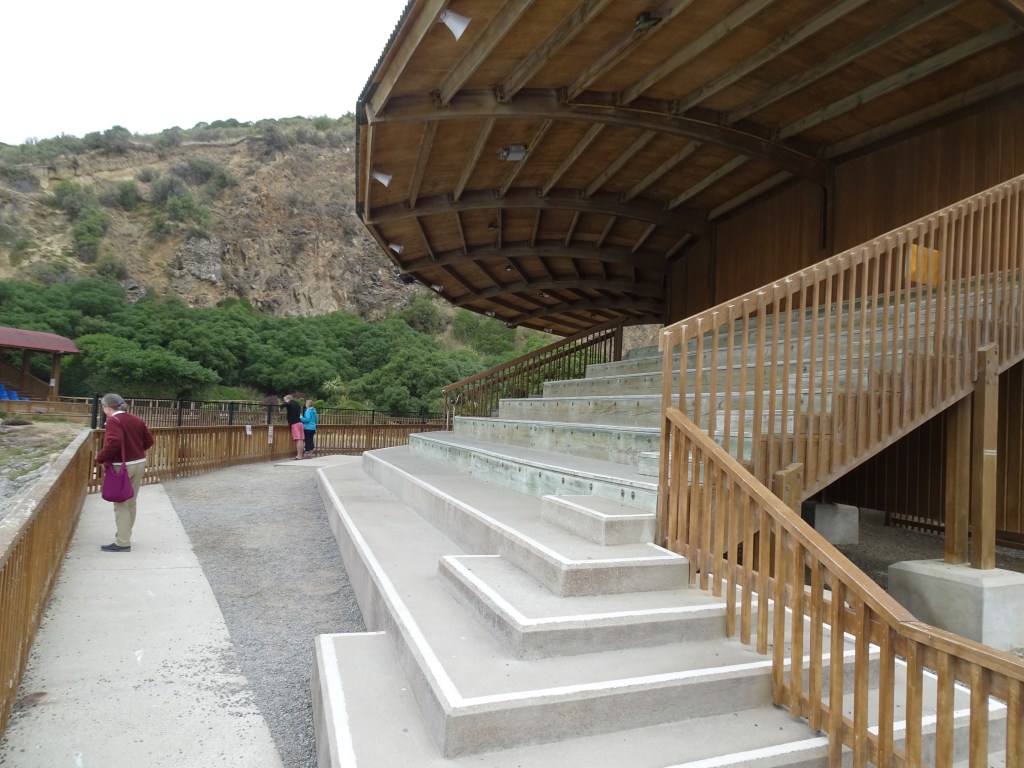
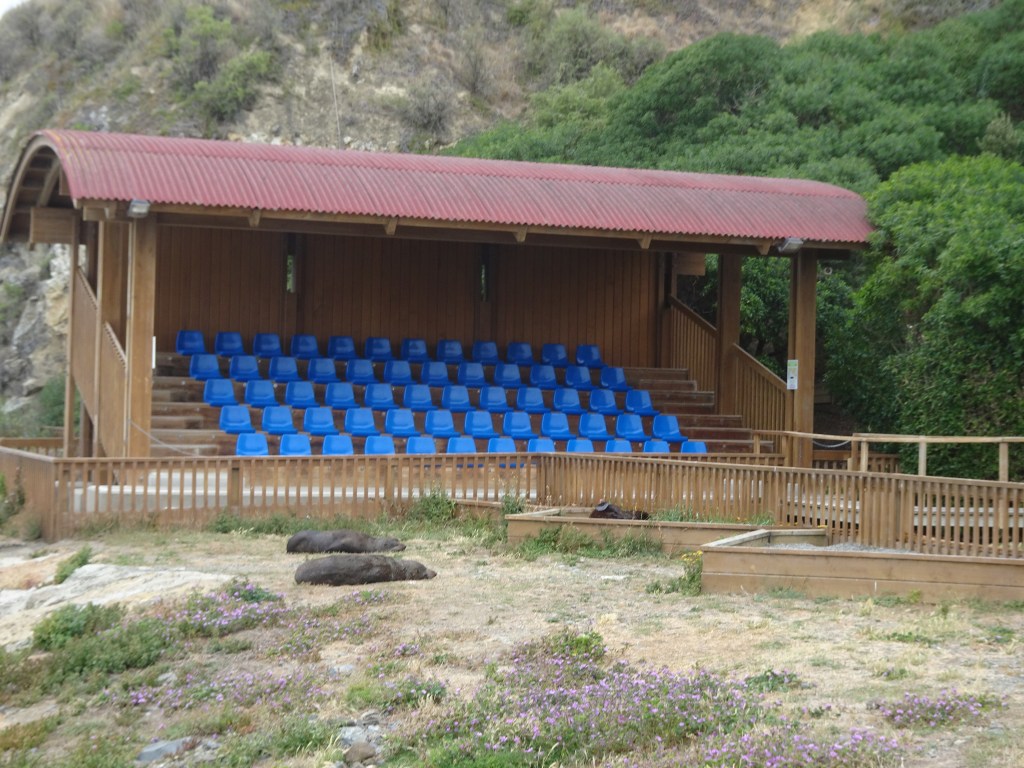
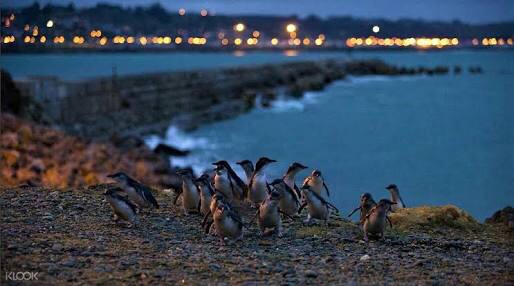
The area is lit with orange sodium lights, and the penguins cannot see this color in the spectrum. So, to us, they are in the light, but to them, everything is pitch black. The spectators are warned to be quiet, to stay seated, and above all, no photography. No phones, no cameras. The goal is to be as non-disruptive as possible. A little difficult, with 435 people there watching. And the penguins did seem like they knew something was there, the way that they furtively made a break across the open land. But they probably do that no matter what, because they know how vulnerable they are out in the open.
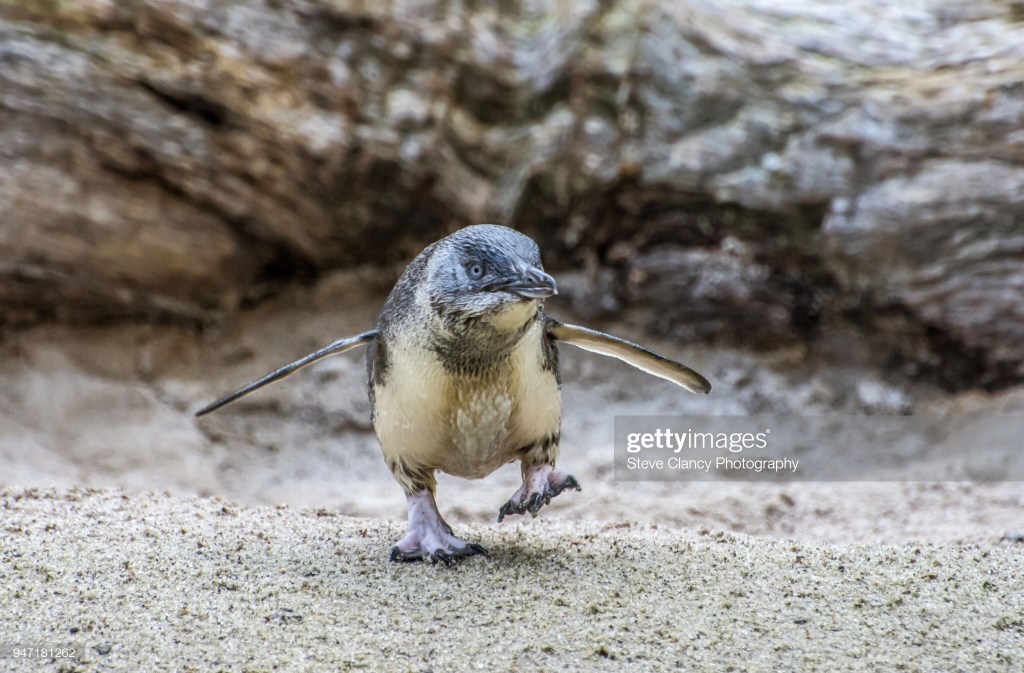
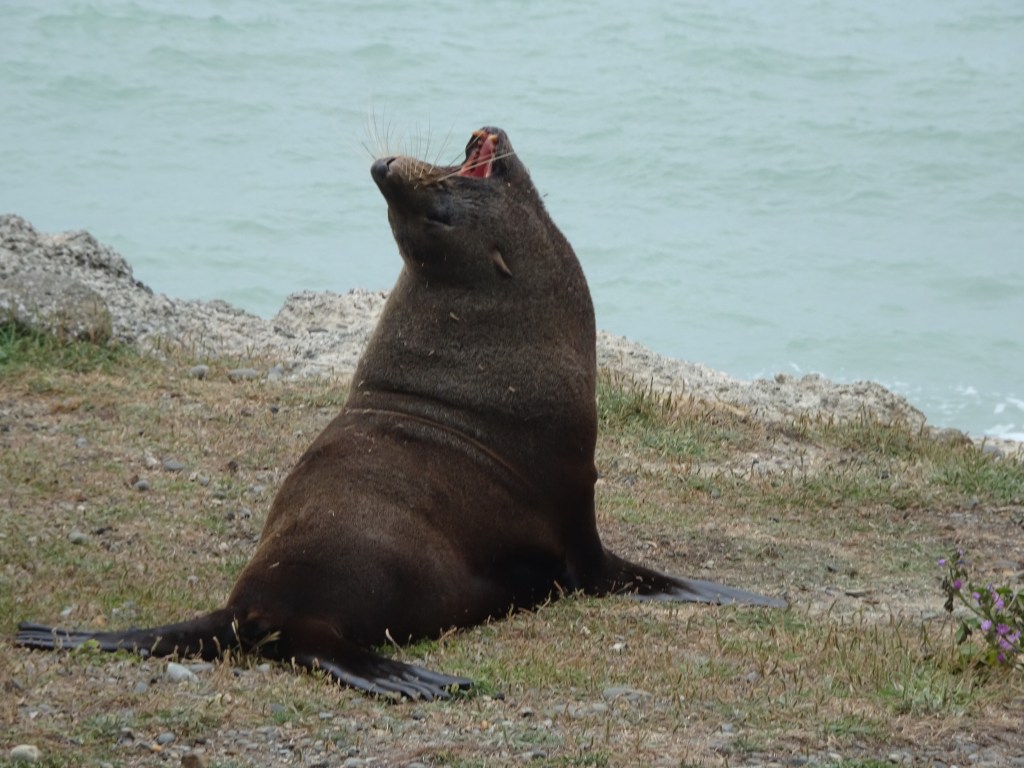
There are 350 nest boxes here. There were 61 chicks distributed in those boxes. Where there is a chick, one parent stays with it, and the other goes out and hopefully brings home dinner for the chick. Then the next day, they switch places, and the other parent goes out. The penguins in this colony have had microchips implanted in them, and a marine biologist and her team can keep track of who goes where. The penguins feed their chicks, but they do not feed their mates. This area is also used by Fur Seals. These animals are more like sea-lions than seals, because of their ear flaps and back flippers, but more the size of seals. The penguins sometimes have to walk right past the seals, but the seals don’t bother them. We saw the birds walking within six inches of the seals.
The whole evening was an amazing wildlife event to witness. At first, while we were waiting, it seemed quite strange. Nature is not supposed to be this predictable. It’s like going to Yellowstone and asking the ranger what time they turn on the geyser, because I have an appointment at 2:15, and I’m in a hurry. It was like waiting for the movie to start. But——they showed up, just like we were told they would. The waves were crashing, and the penguins surfed onto the rocky beach and then jumped, clambered, and waddled their way up the rocks, through the field, and then through the tunnel under the walkway to where their nests were. Everybody was captivated. The only other instance I can think of, of wildlife performing on a schedule, is waiting for the Vaux’s swifts to swirl like a tornado down the smokestack. We were told to check under our car before starting it up and heading out, because penguins sometimes like to take harbor under them. They also walk right through town at night. Penguins and people co-existing.
Yellow-eyed Penguin
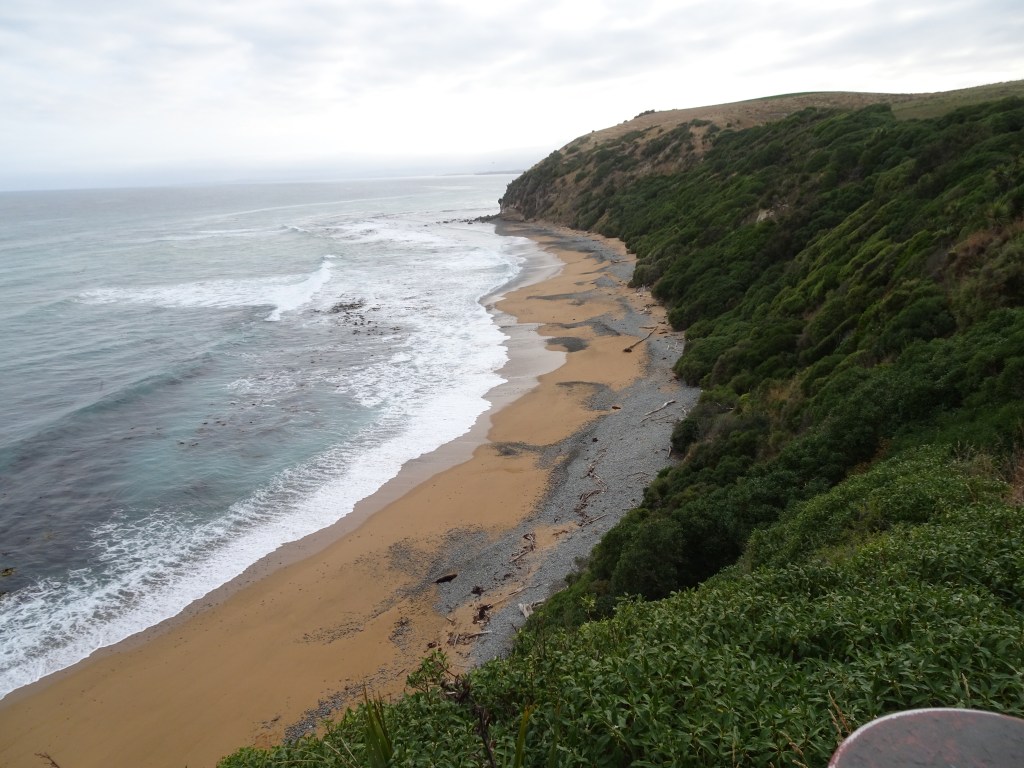
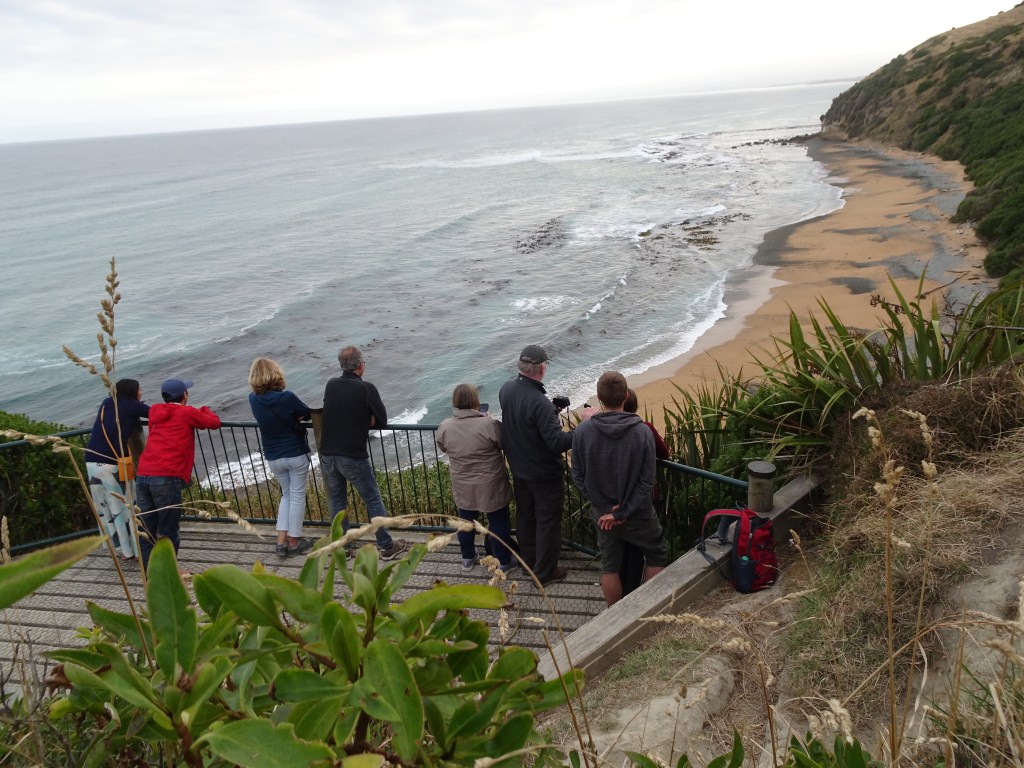
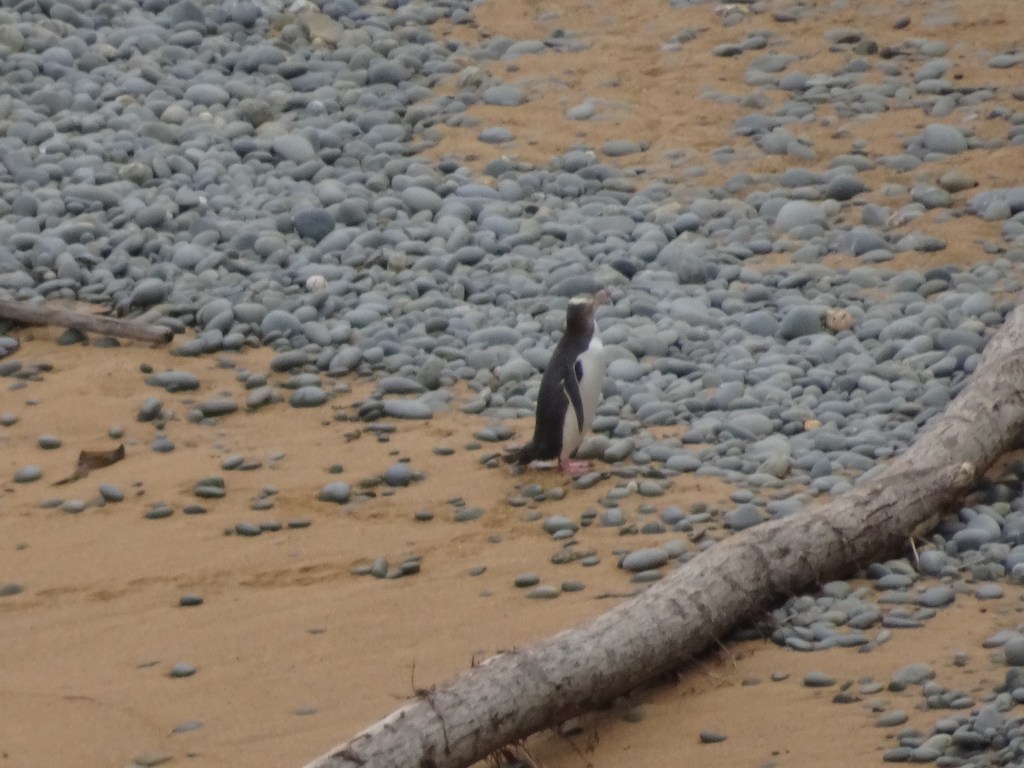
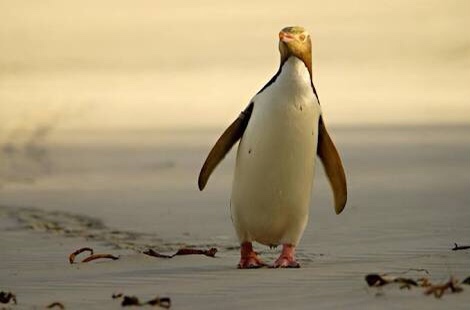
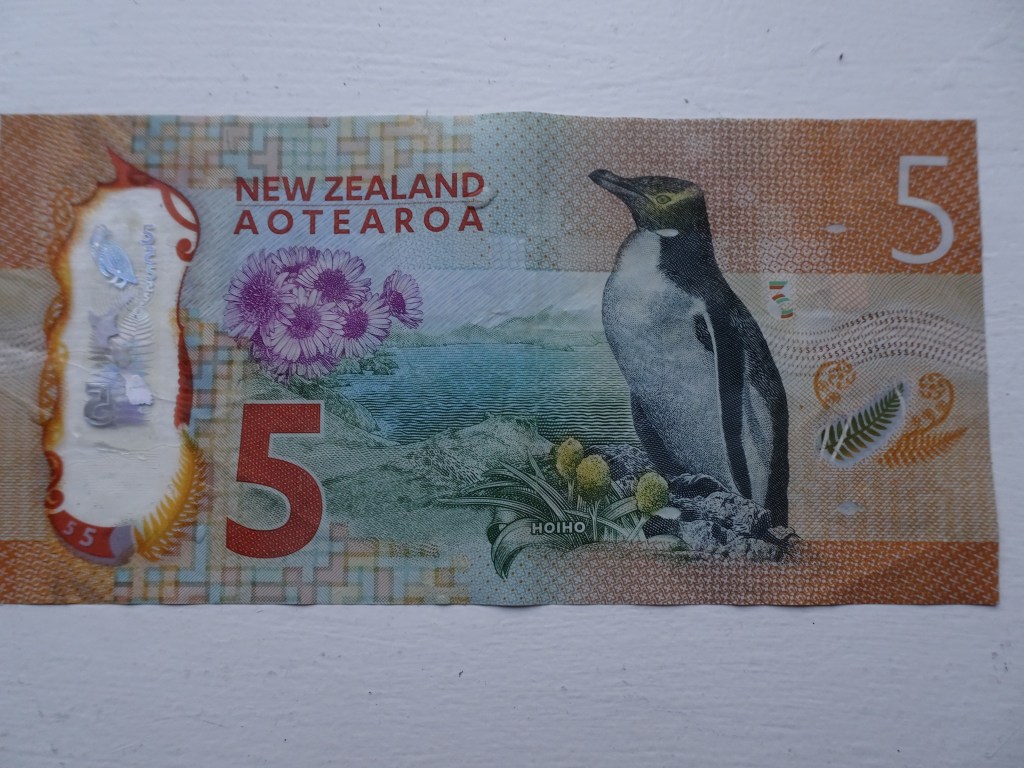
There is another species of penguin in Oamaru. The Yellow-eyed Penguin. This is a very shy and solitary penguin that comes ashore at a beach just south of town. The beach is closed to people at 3:00pm every day, to allow the penguins to have the place to themselves. Every evening, a few individuals come up to nest in the bush. There is a viewing station way up on the hill, and you can go there in hopes of spotting one or two. One afternoon, we saw two individuals saunter out of the ocean onto the beach.
Steampunk
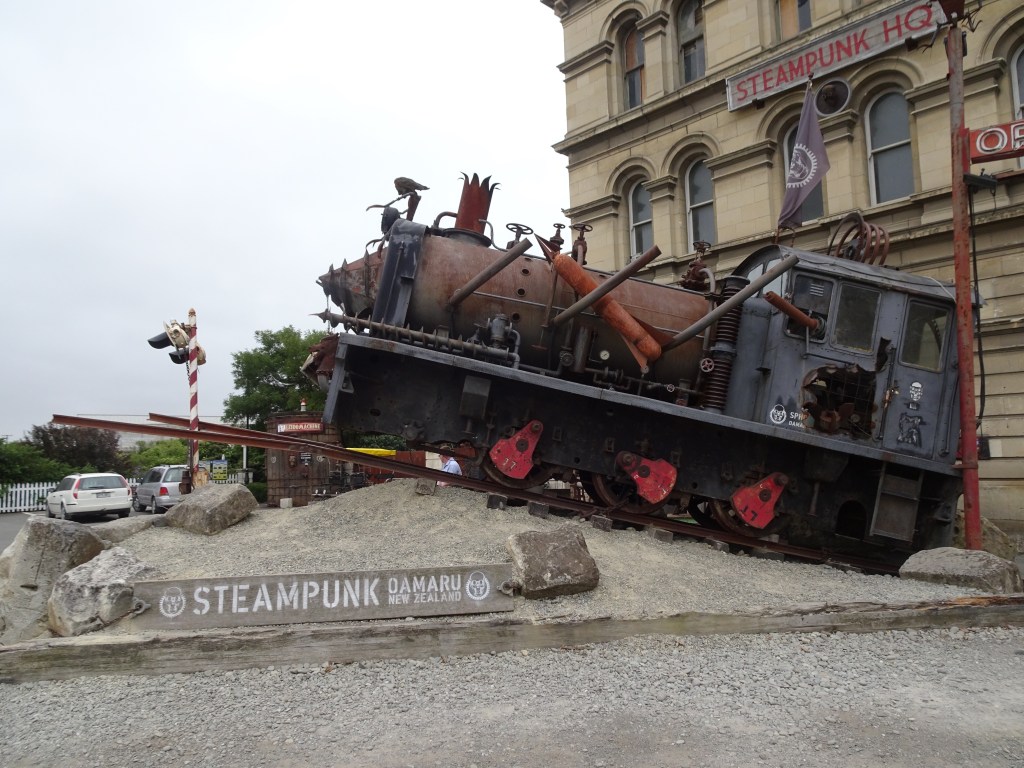
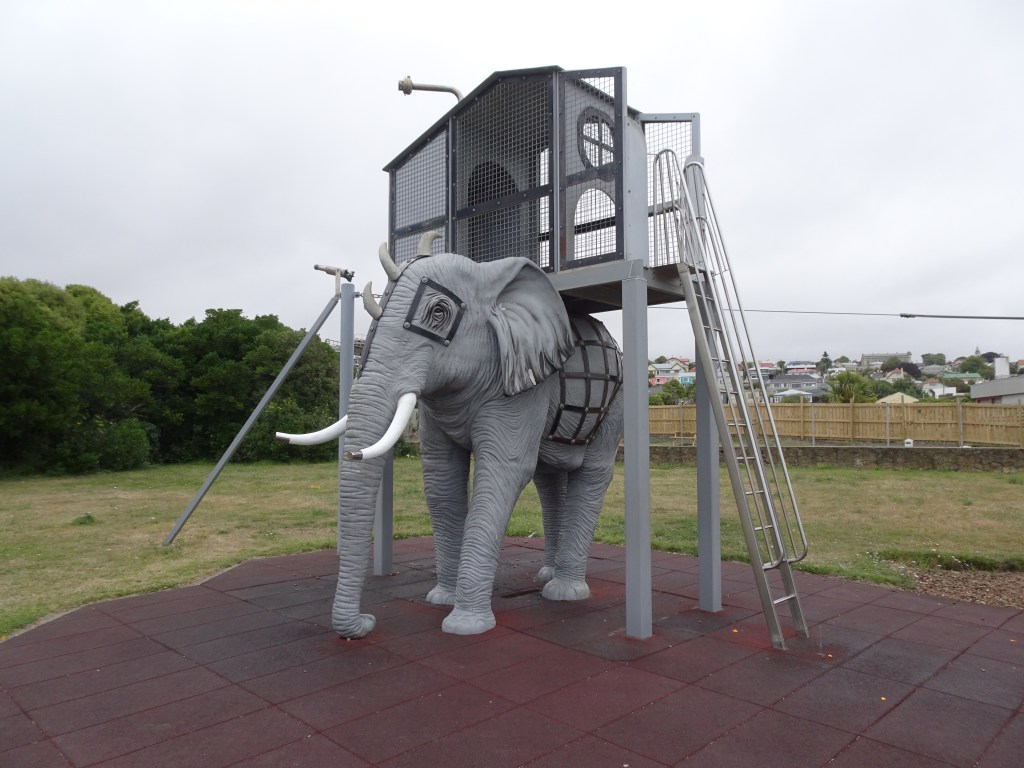
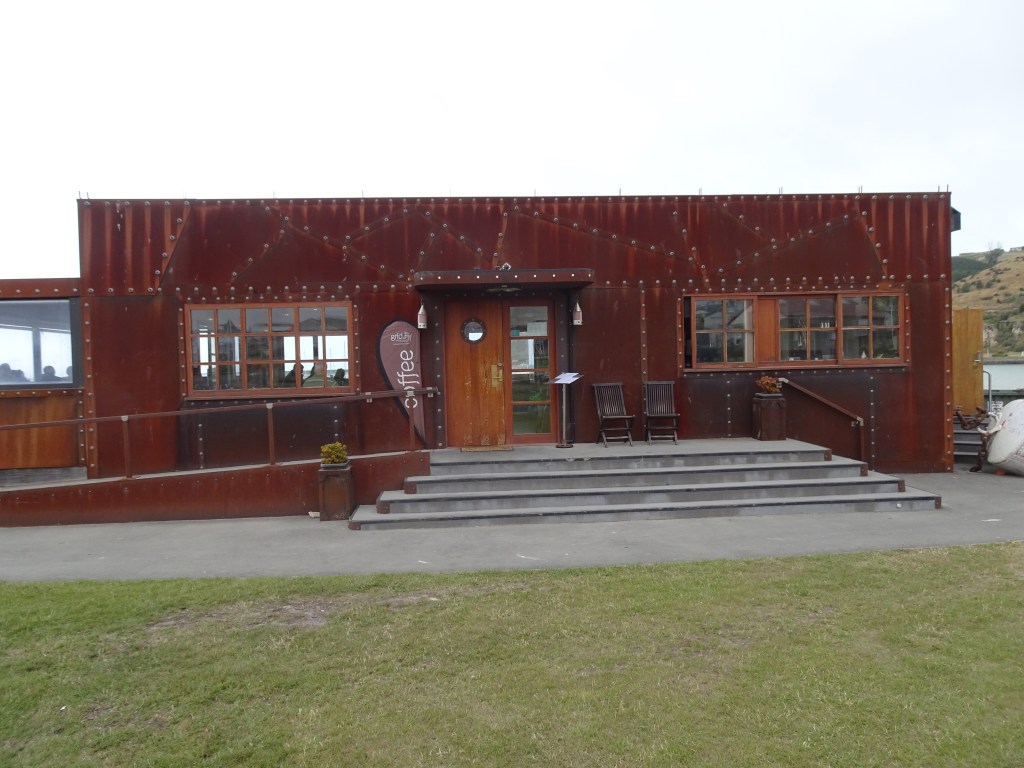
The other thing that Oamaru is known for is Steampunk. Steampunk?? Yes, Steampunk. It bills itself as the Steampunk Capital of the World. Steampunk is defined as “the retro-futuristic (I love that word) sub-genre of science fiction that incorporates aesthetic and technological designs of nineteenth-century steam-powered machinery.” It is definitely off-beat, and Oamaru is proud of it. The streets of massive Victorian limestone buildings from Oamaru’s heyday in the 1880s form the ideal backdrop for Steampunk. We have not learned the actual history of how setting and genre met in this perfect match!
 Rolling Through Kiwiland
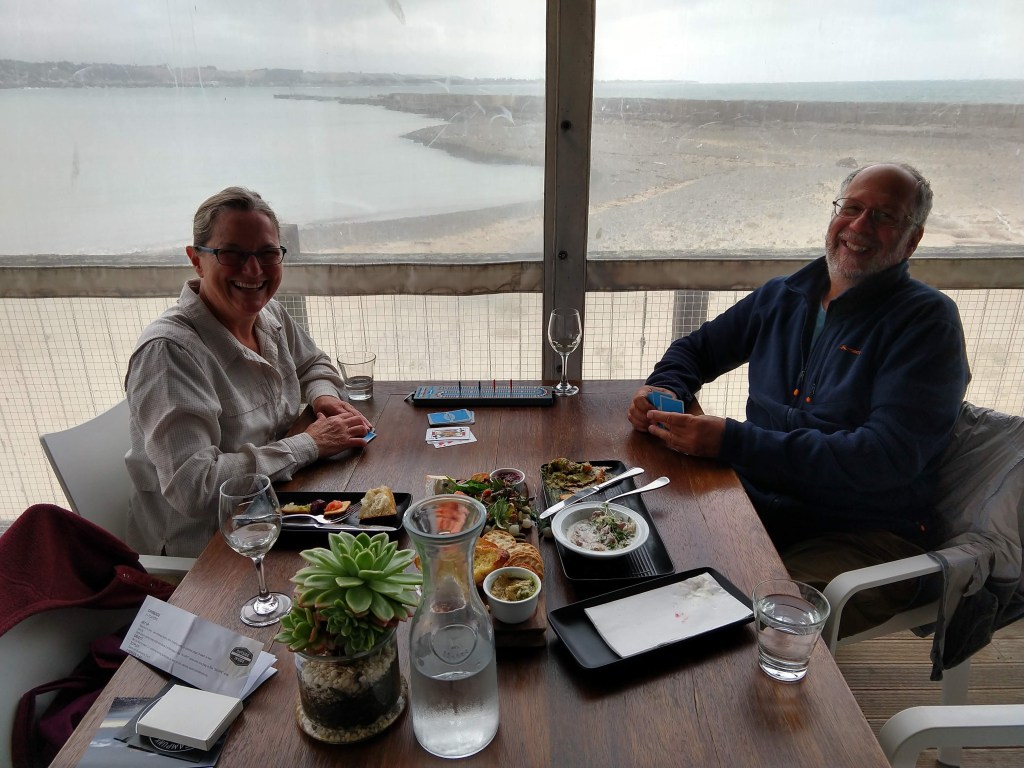
Oh ! so interesting !!! the Penguins are the star of the show ! and even on their money ! that is so cool !!!!! Love it! Great pics and love the pic of you guys looking so happy and having so much fun playing cribbage by the ocean !
Happy Travels !
LikeLike
These are great pictures! I am really enjoying the birding and wildlife watching you guys are doing there. I was impressed by that black spoonbill, wow.
LikeLike
Awesome! I am so excited every time I see a new post… So much fun! It’s the next best thing to going there ❤ Penguins are adorable and that shot of the yellow-eyed one is beautiful. That must have been an amazing experience. Really love the way NZ does conservation~ you can feel the level of commitment~ makes me want to live there. I mean really, they are several generations ahead of us…especially these days… 😦
LikeLike
So it’s Saturday afternoon where you are already. So Happy Year of the Rat. I love the Little Blue Penguins ! How amazing this world is or can be. Thanks for giving me informative and joyful breaks from the rain and daily “news”. Love and Hugs M.A.
LikeLike