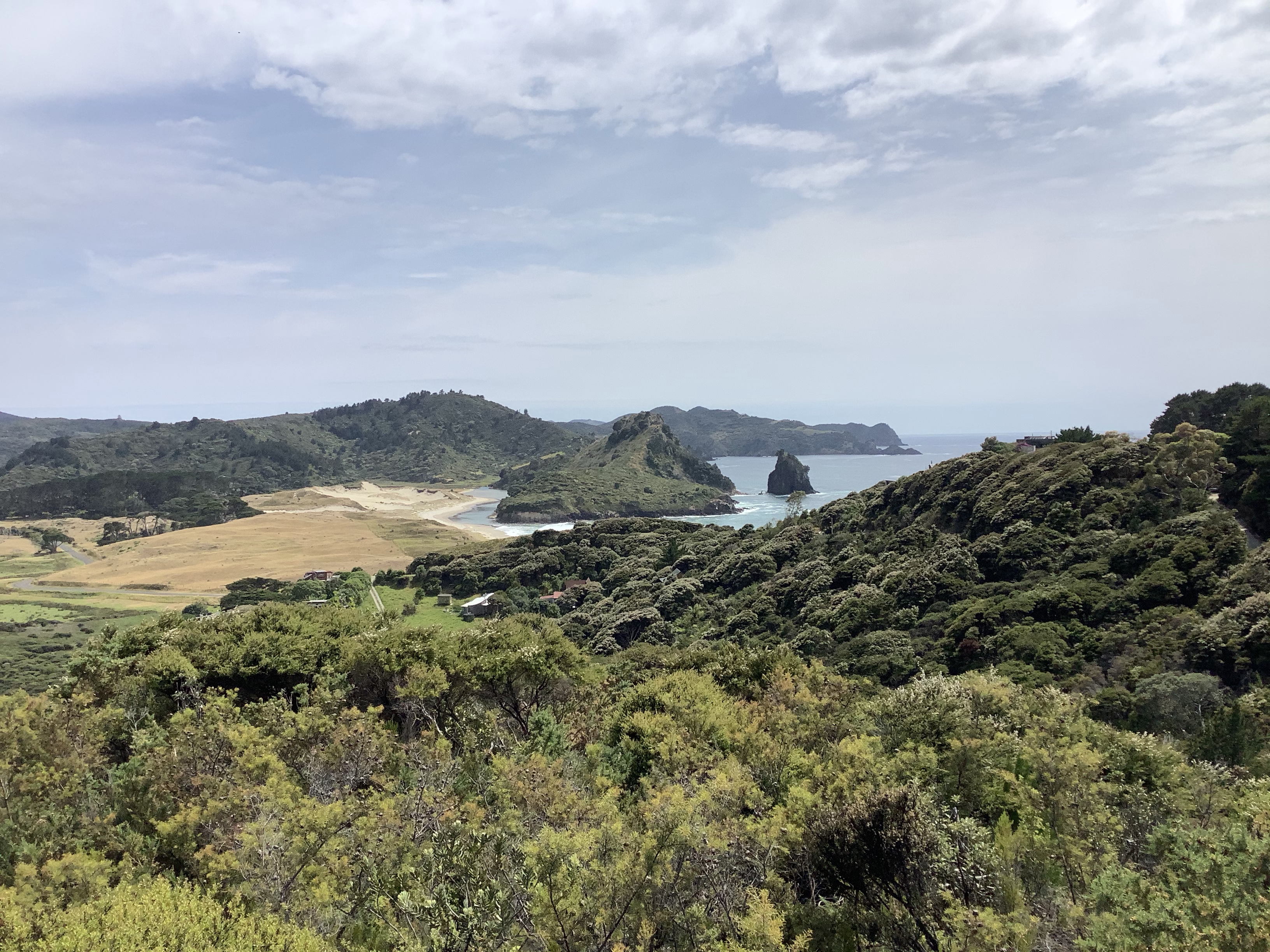
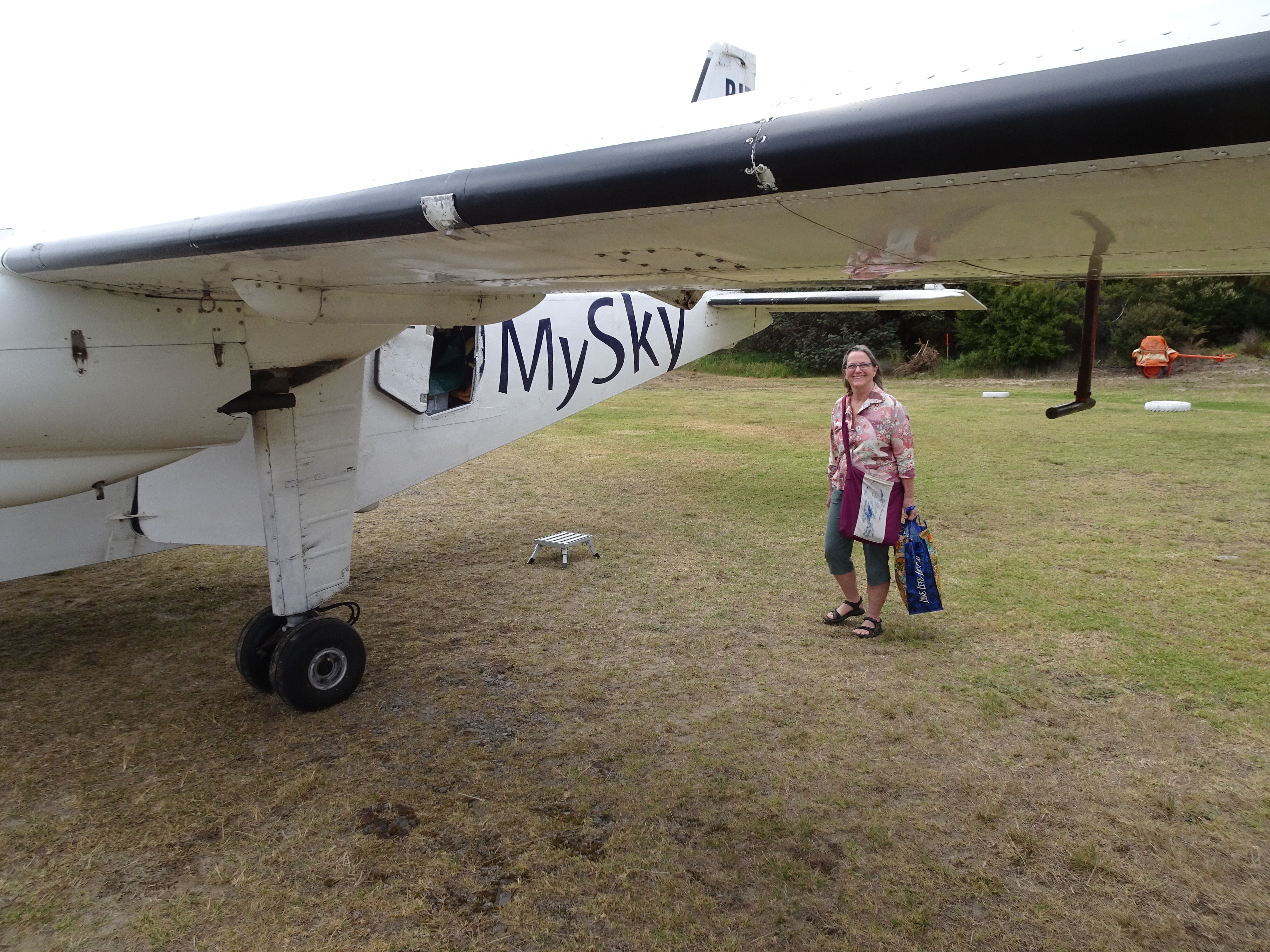
Great Barrier Island, or Aotea, is located about sixty miles northwest of Auckland. We flew there from the mainland and spent a quiet week, hiking on some of the trails, strolling on some of the beaches, driving on some of the roads, listening to birds, relaxing in our island home, and enjoying the peace and quiet. Aotea is about twenty five miles long, and two miles at its widest. There are about 950 residents.
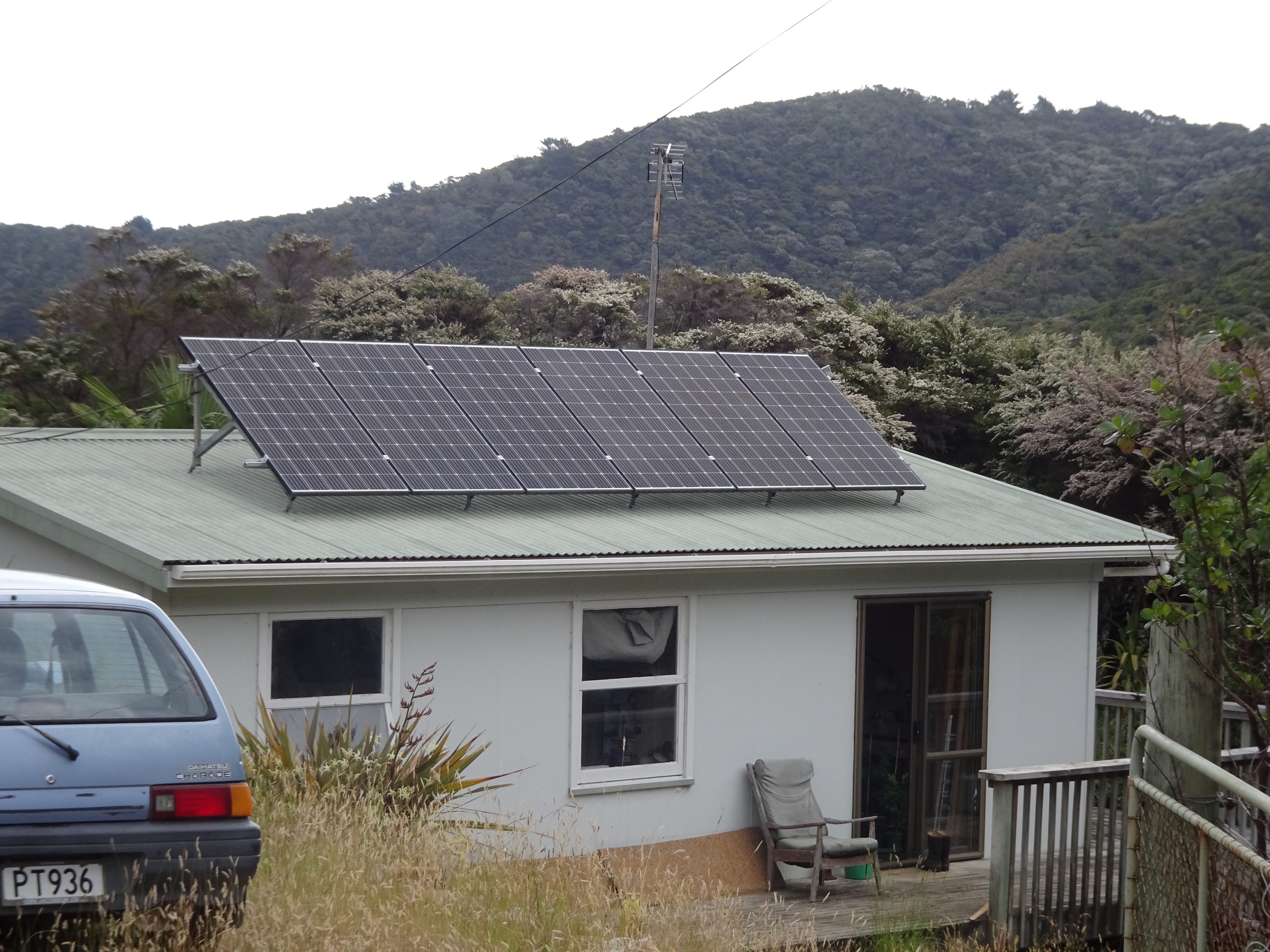
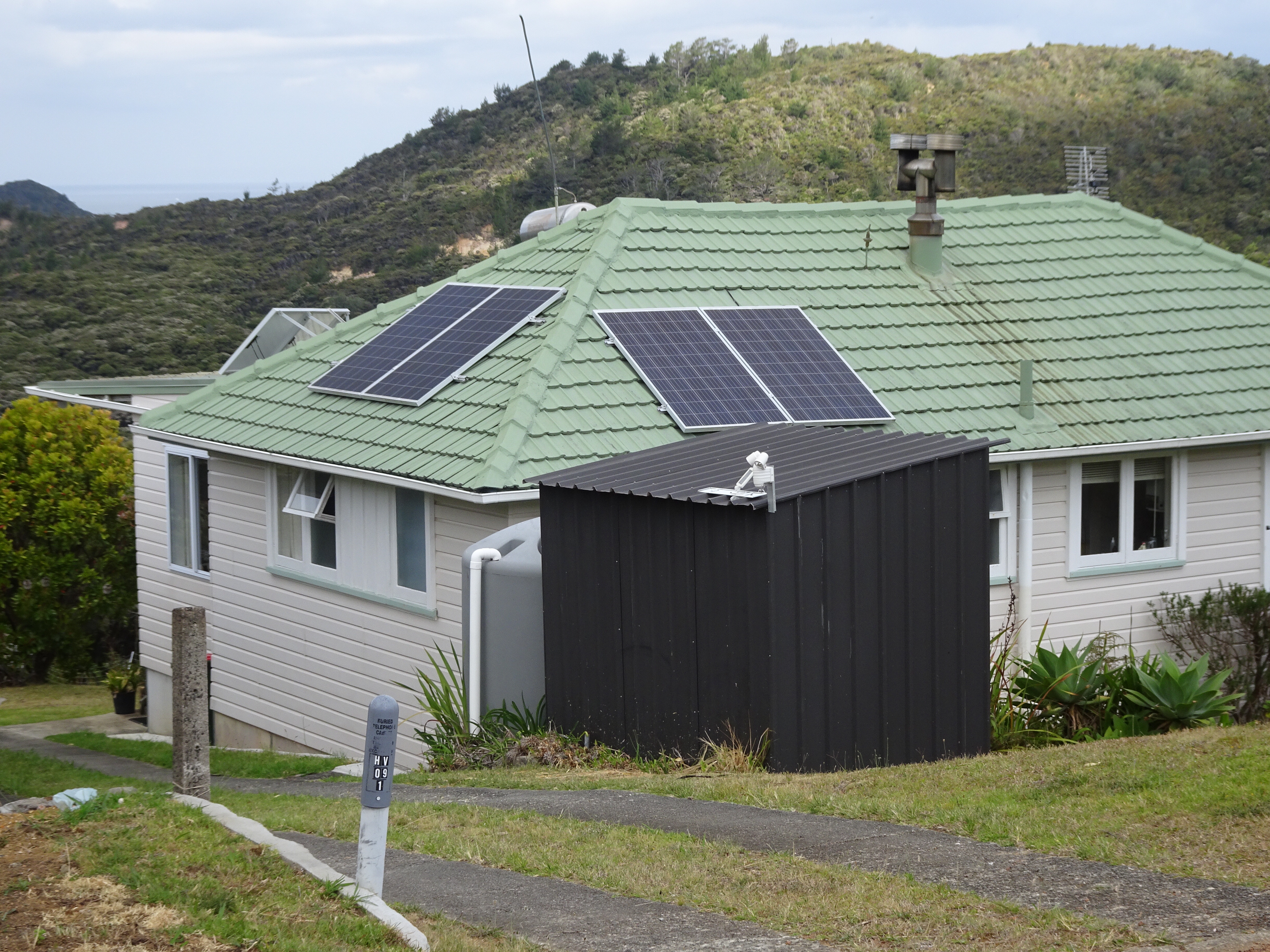
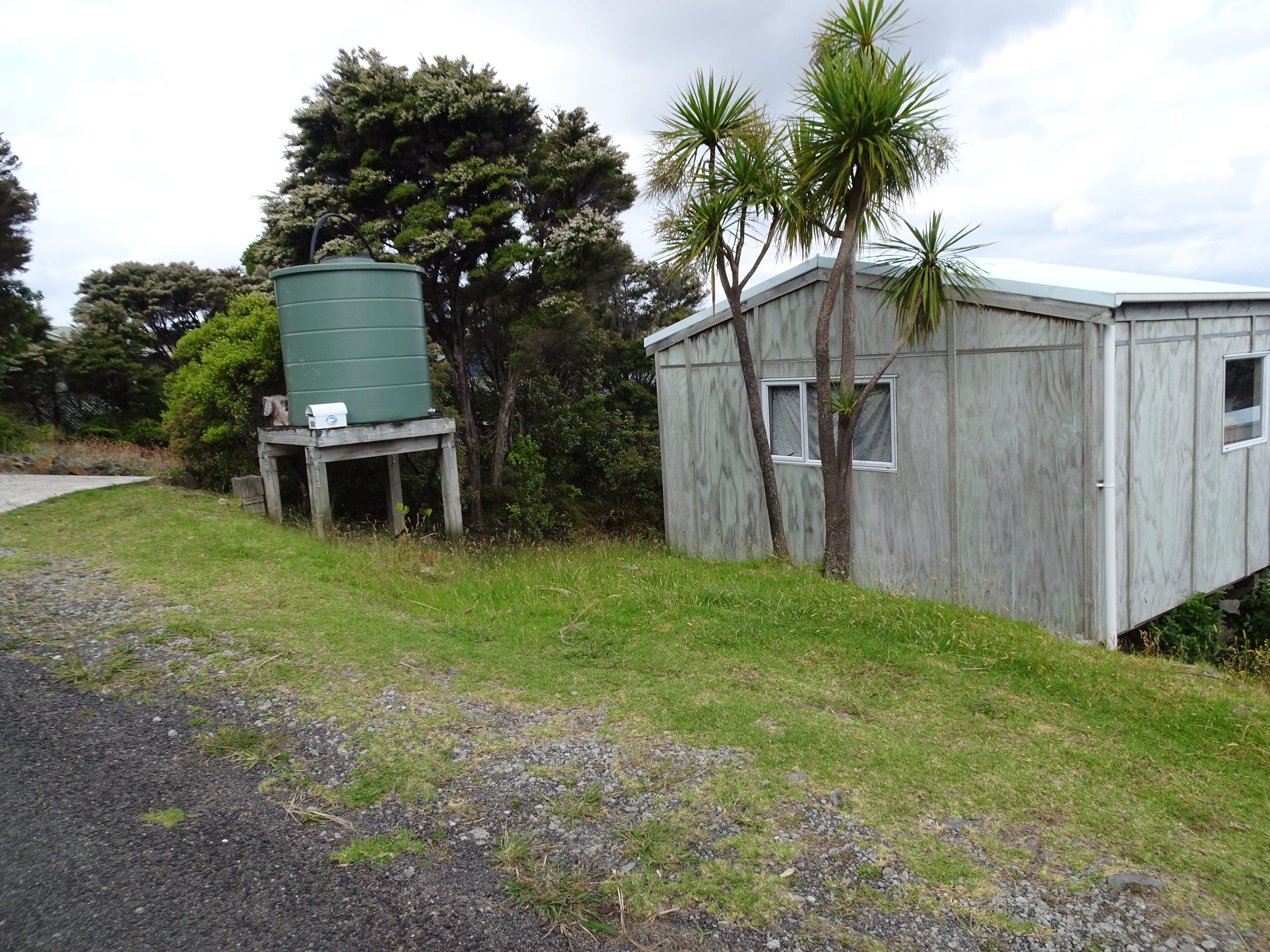
The entire island is off-grid. The only electricity is solar, or in a few cases, by generator. Every residence and business produces its own electricity and collects its own water. Even though it seems quite remote now, just a couple of decades ago it was primitive in comparison. The advent of solar technology, cell phones, and paved roads have drastically changed the character of the island. People really started using solar power just twenty years ago, and the main road was just fully sealed five years ago. Even in the 1980’s and 90’s, people here were isolated by rough dirt roads and limited means of communication. Today people can flick a switch on and off and surf the web and make phone calls to anywhere in the world, but the spirit of self-reliance continues.
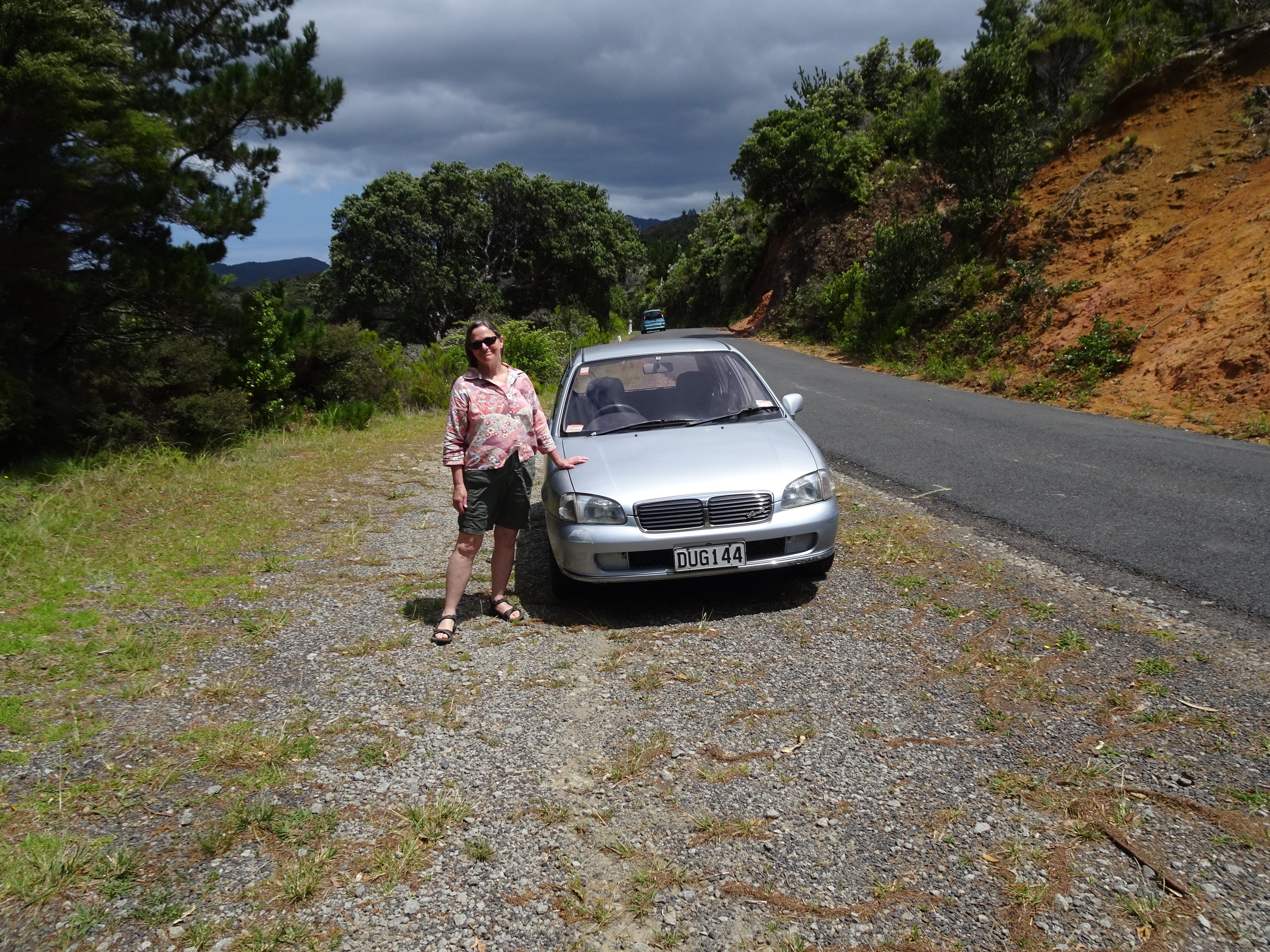
There are no streetlights, no banks, no grocery stores, (small general stores, yes) no ATMs, no markings on the windy narrow roads. Driving on the left was a challenge at first. I was really scared when Monica was driving, and she was really scared when I was driving. The passenger often thought that we were way too close to the road’s edge. When we first got the car, one bloke told us that the island is a great place to learn, because there almost never is a car coming the other way.
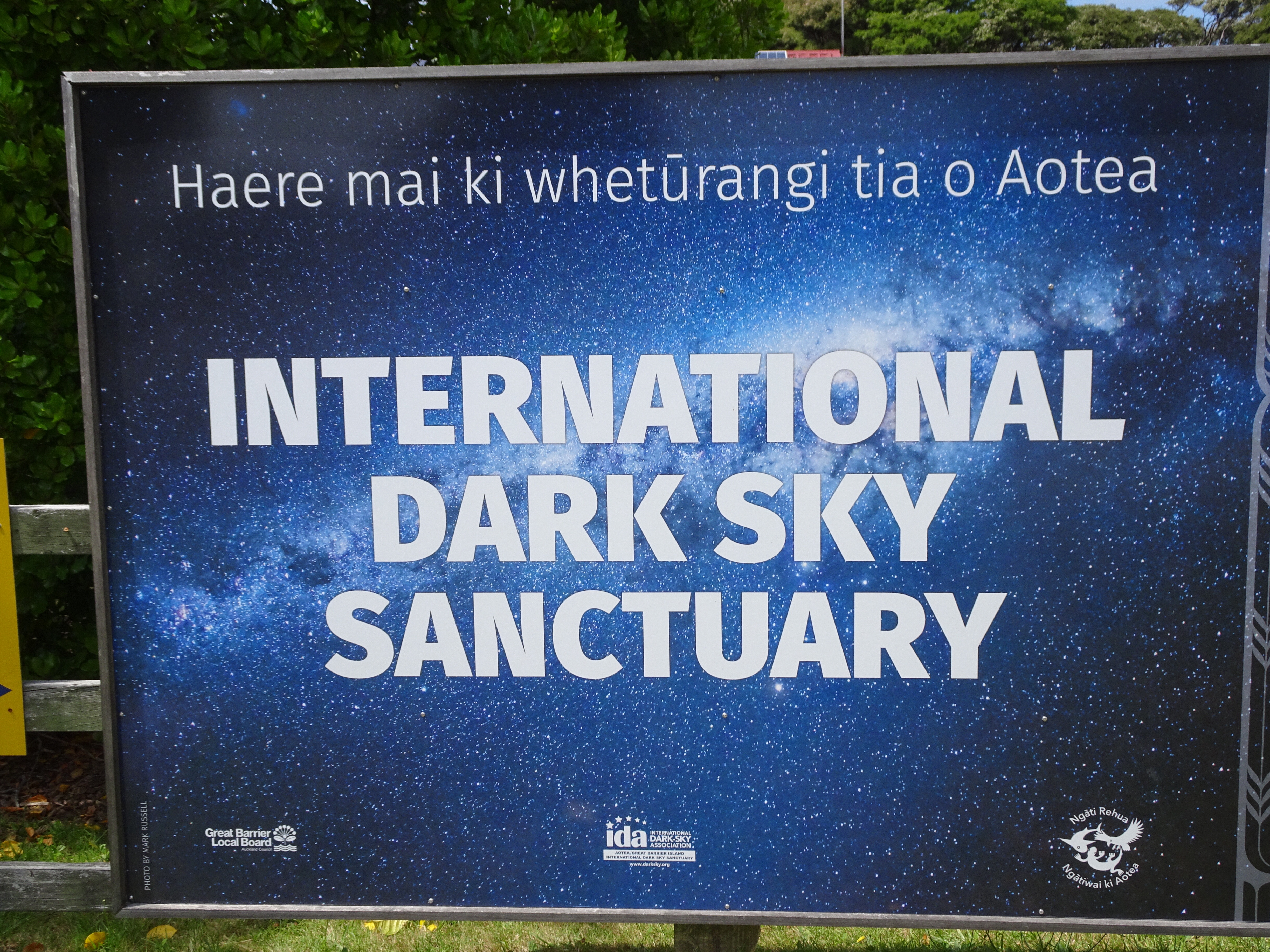
Great Barrier Island, because of its location and lack of electricity, is a worldwide designated dark sky sanctuary. We were looking forward to seeing the Milky Way and the Magellenic clouds, but the full moon was so bright, and then the clouds moved in, so we missed out on this aspect of the island.
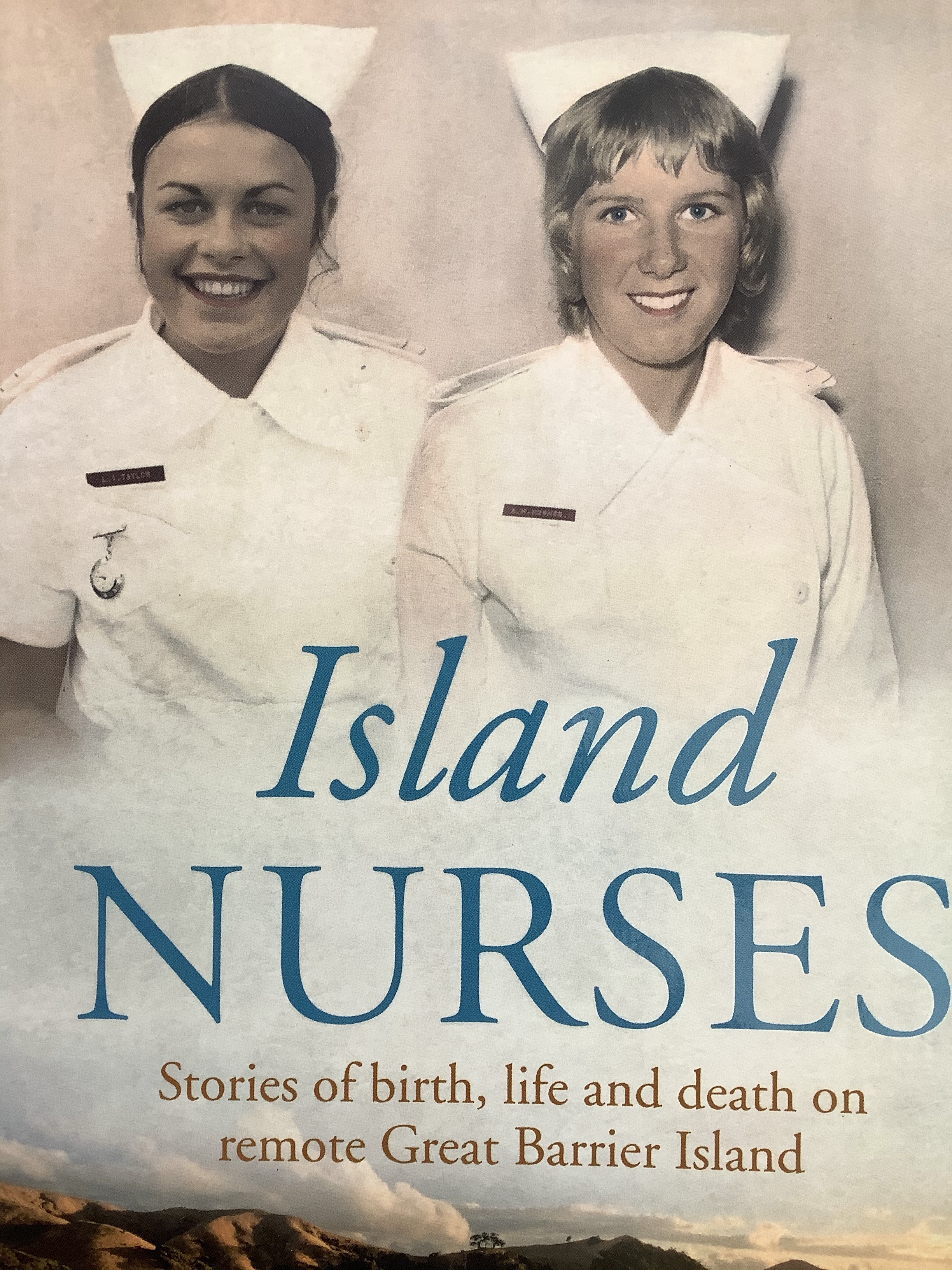
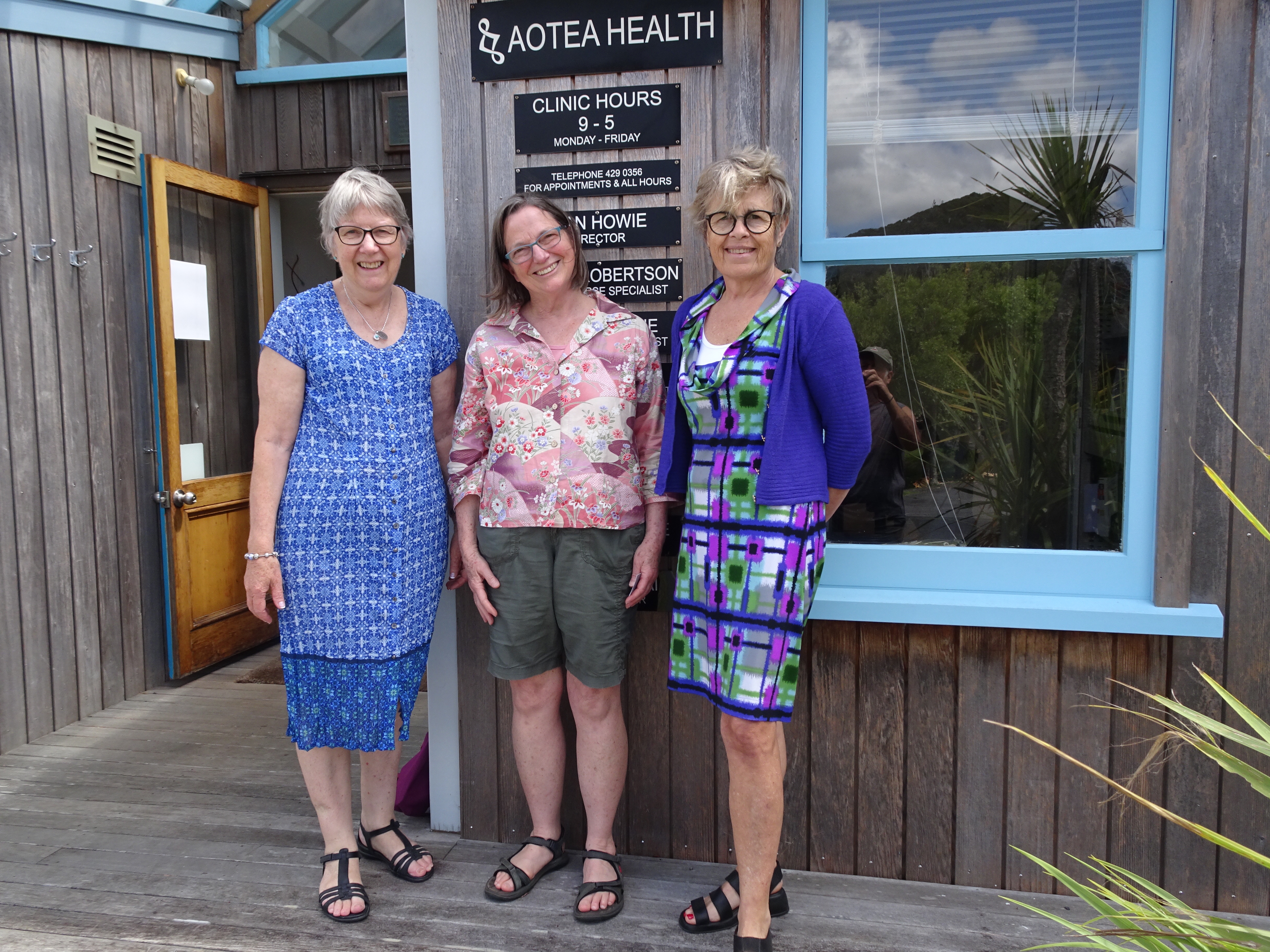
Before we left for New Zealand, Monica read a book called Island Nurses, written by Adele Robertson and Leoni Howie, two nurse practitioners who have been living on and caring for Great Barrier Island for over thirty years now. In their book, they tell stories about delivering health care in the isolated and often primitive conditions that existed. We got in touch with the two of them, and spent a few hours talking with them about the island and their lives as nurse practitioners there. If Monica had been born in a different place, she could have been one of them.
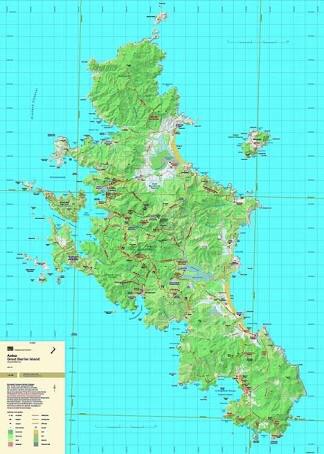
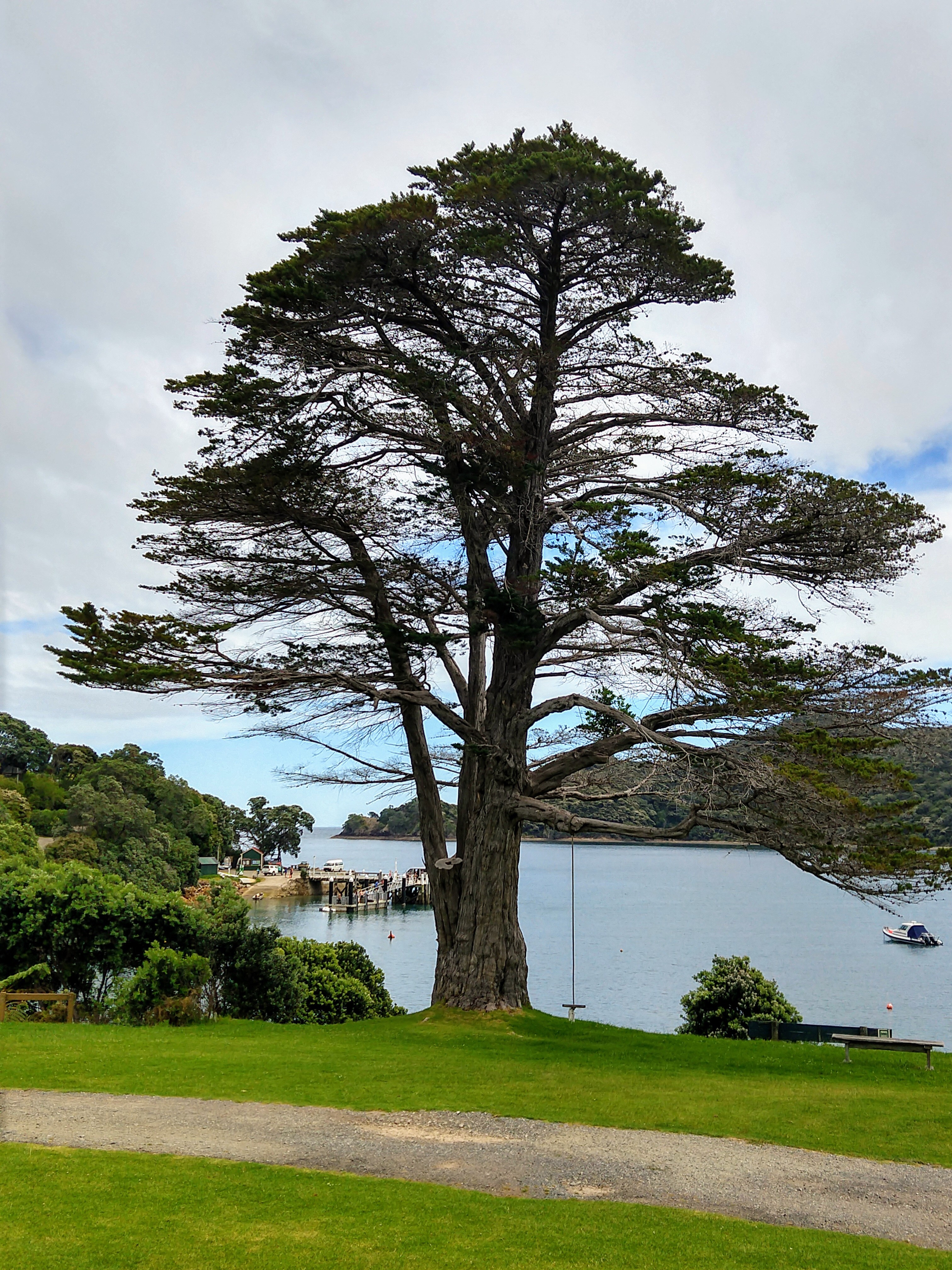
The eastern side of the island has wind-swept beaches with serious swells and lots of surfing. The western side is scalloped with harbors and calm water. Sailors and yachties often sail into the harbors. We met a sailor who had sailed around the world three times, alone. Sailors often come here from Auckland, and this is a popular stop for anybody in the South Pacific.
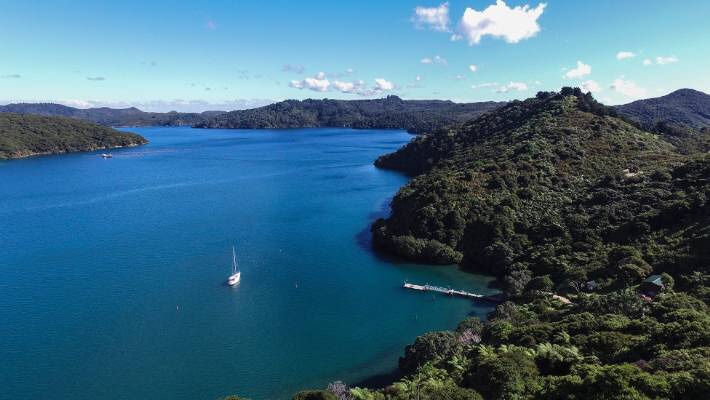
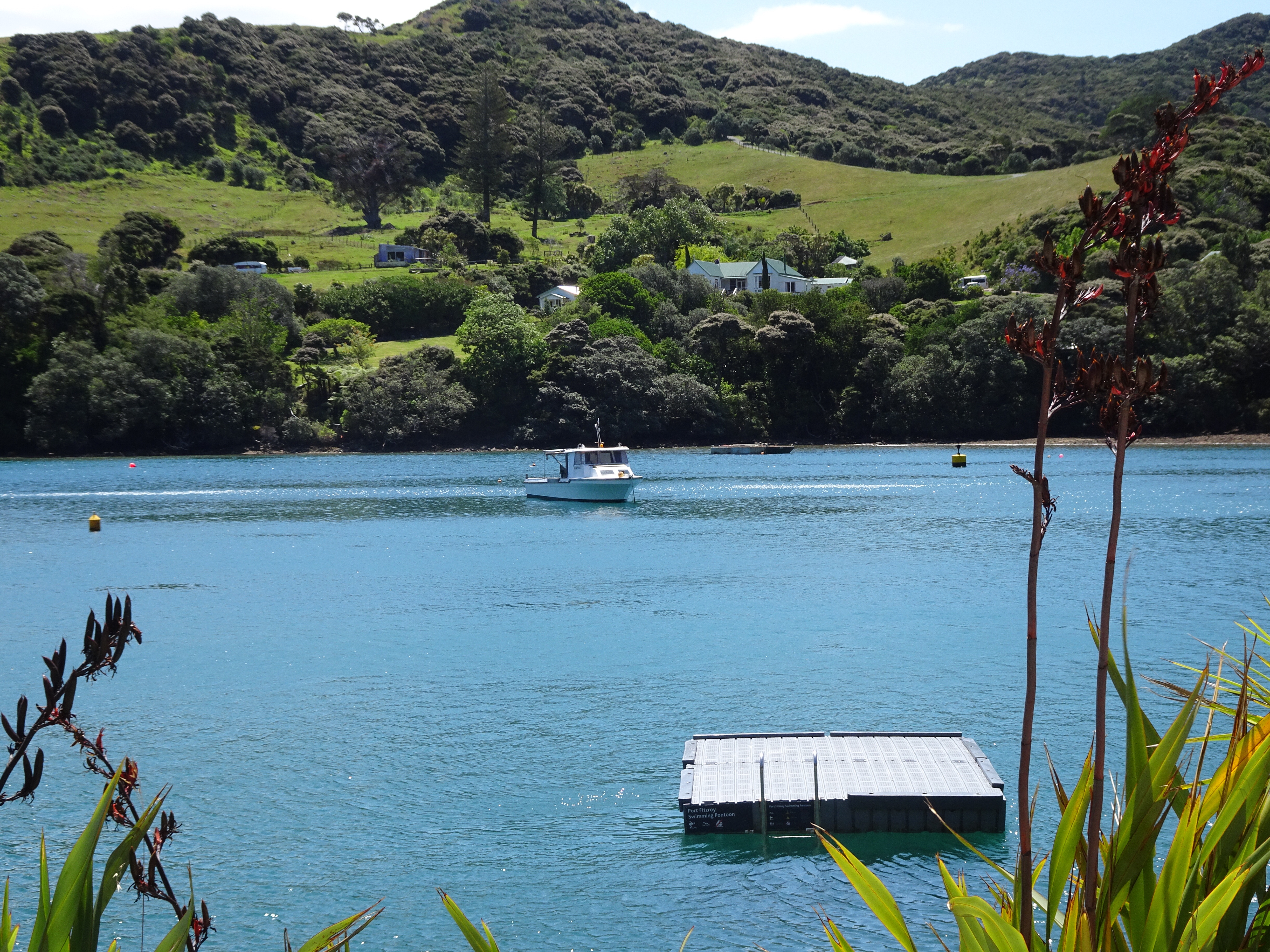
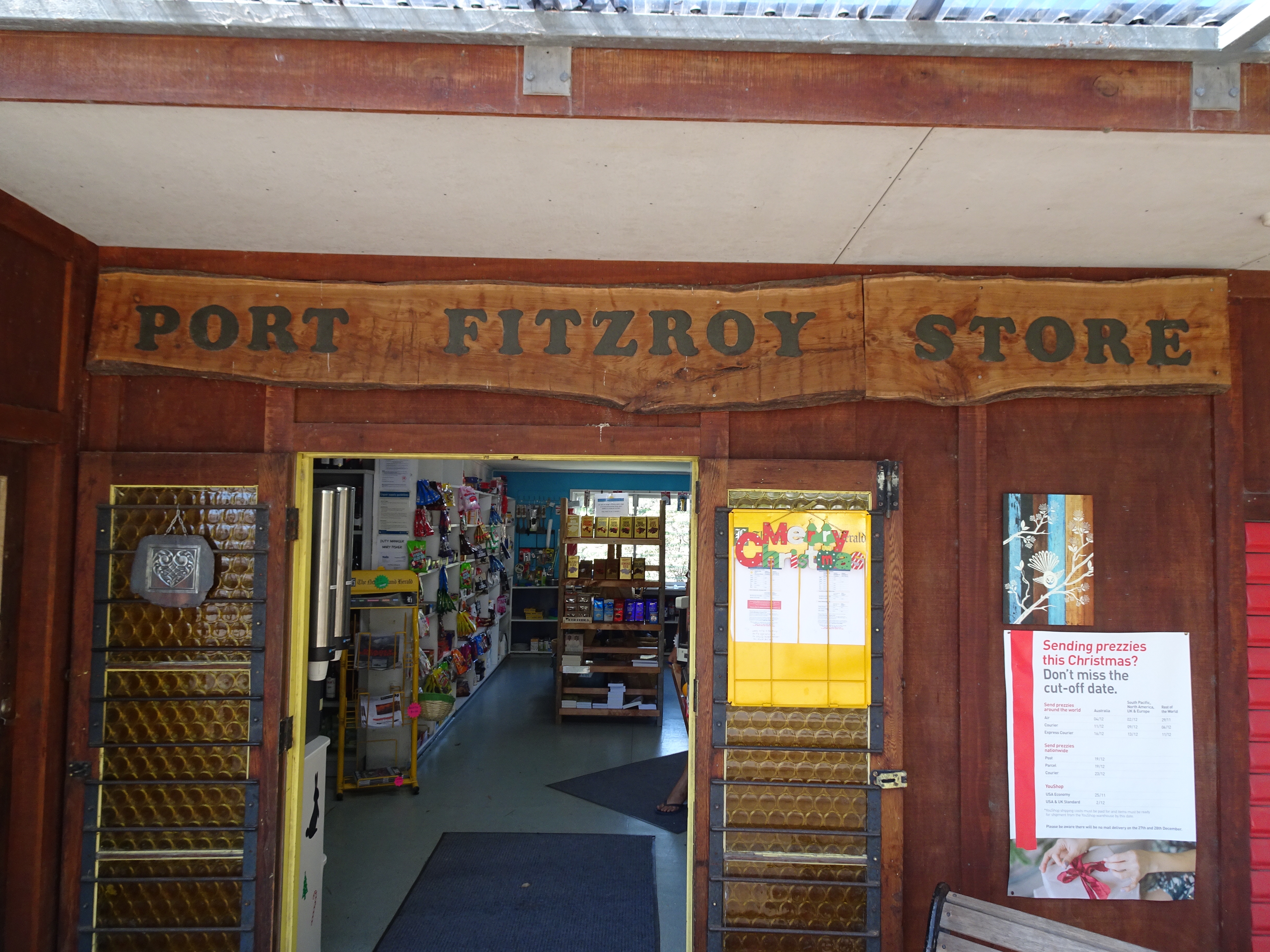
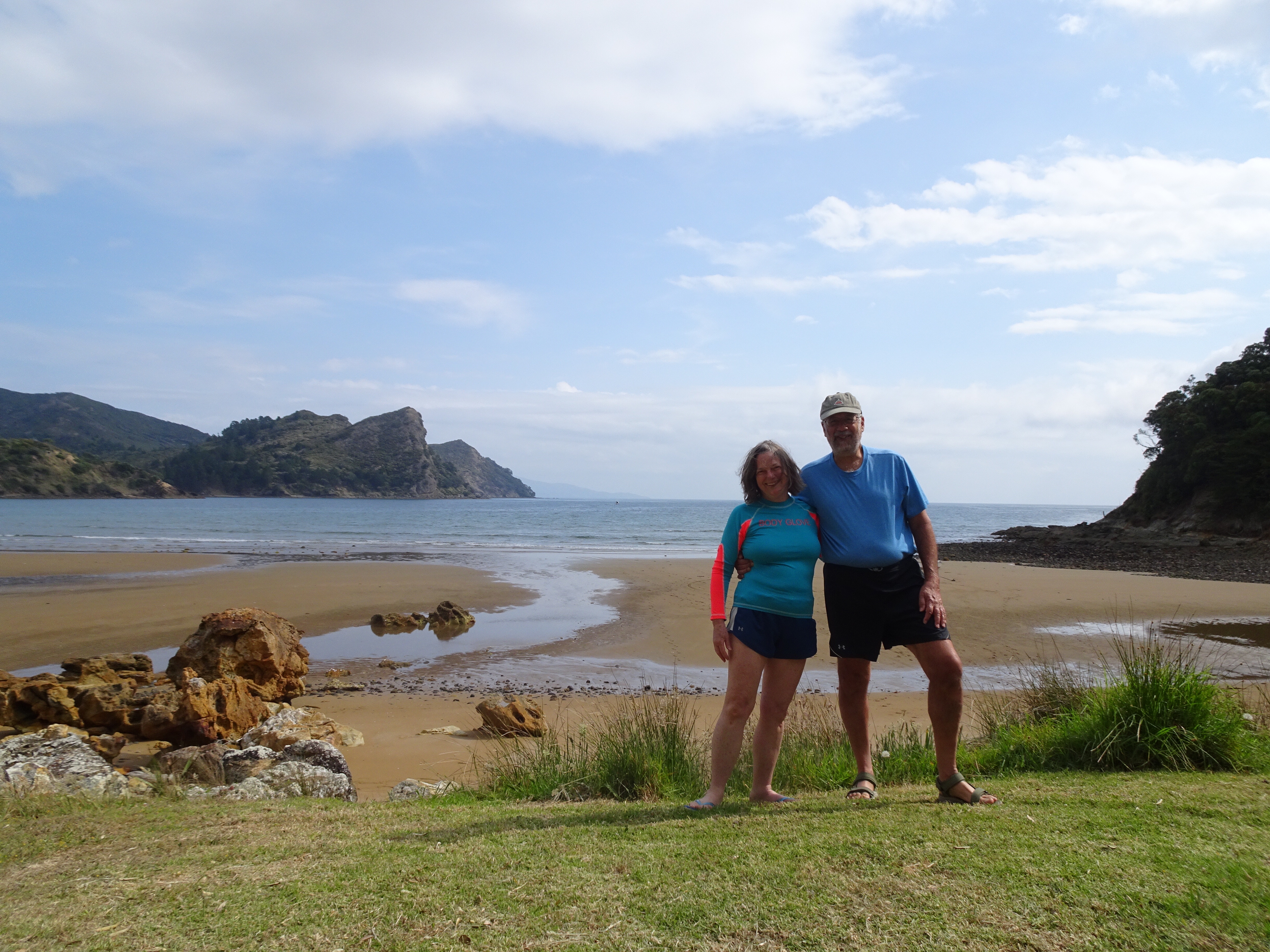
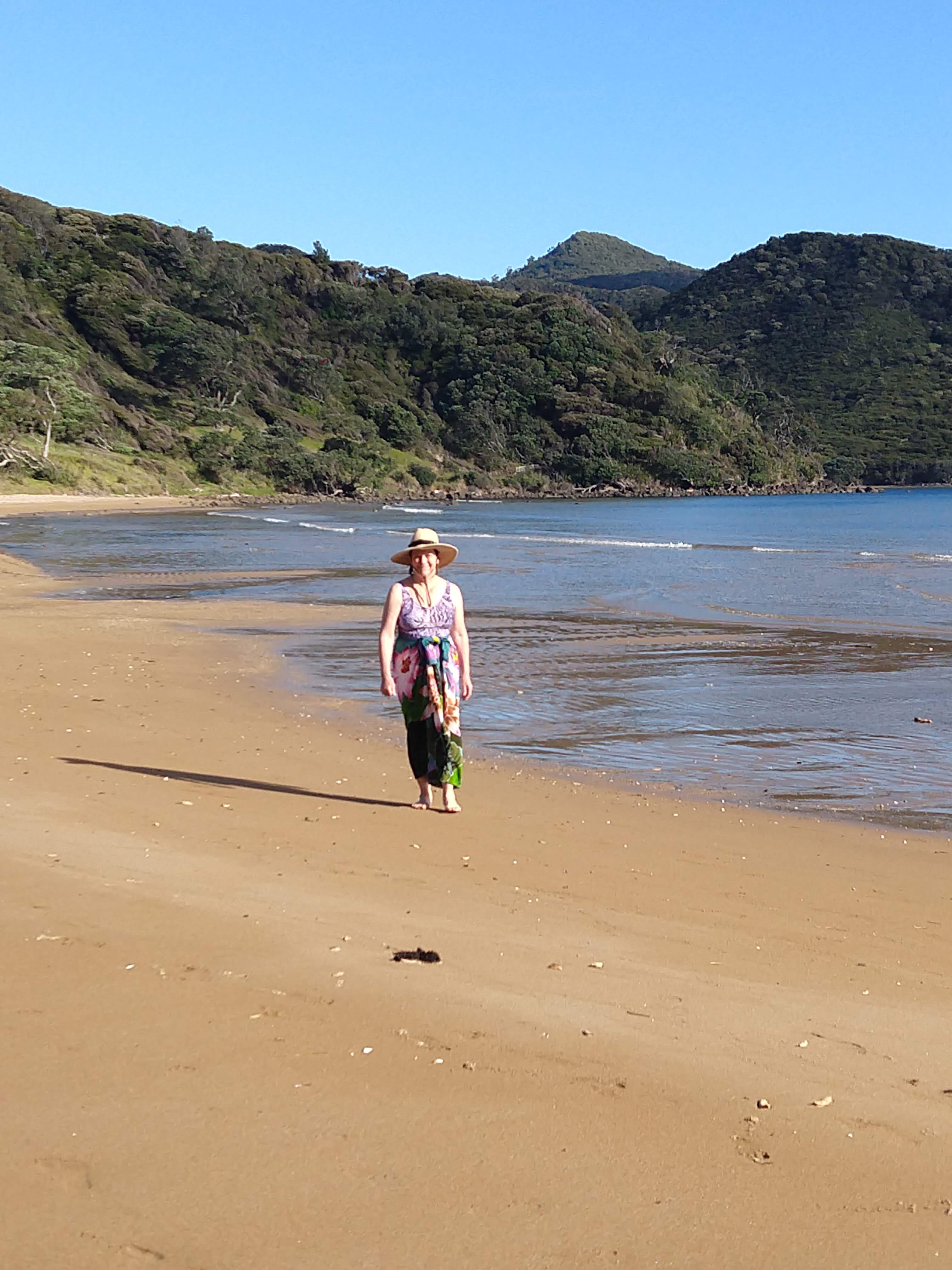
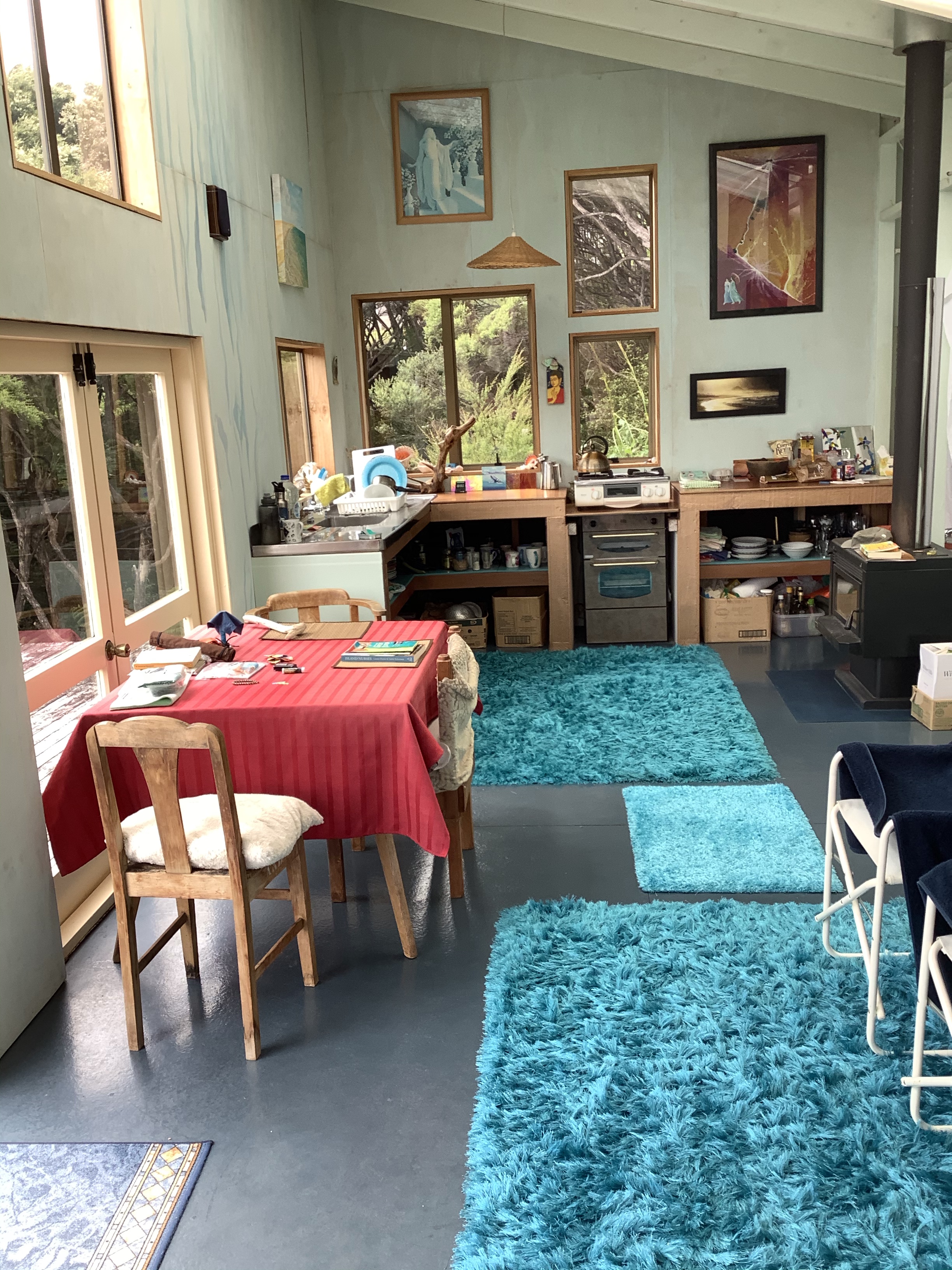
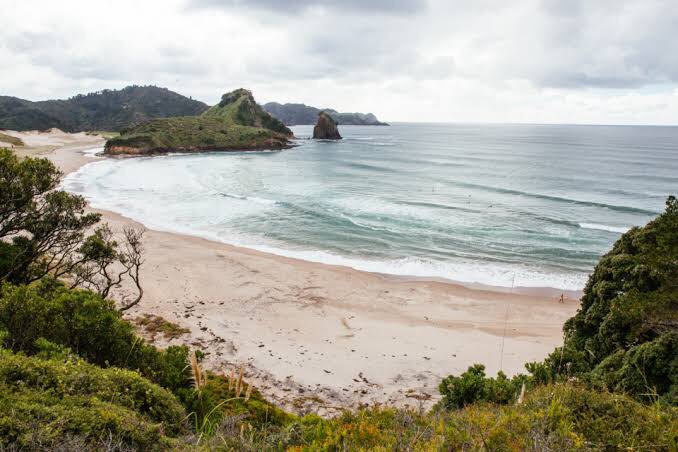
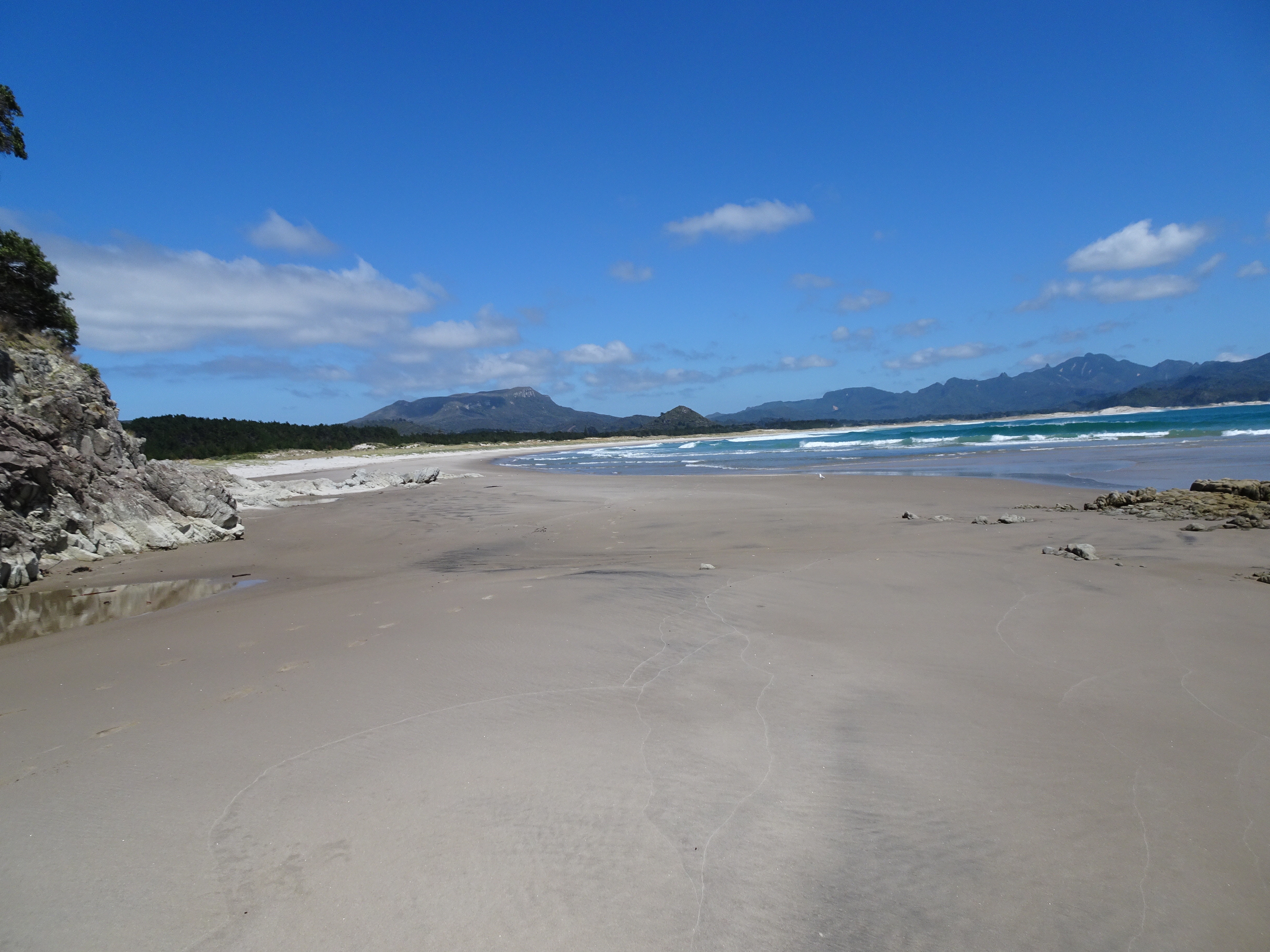
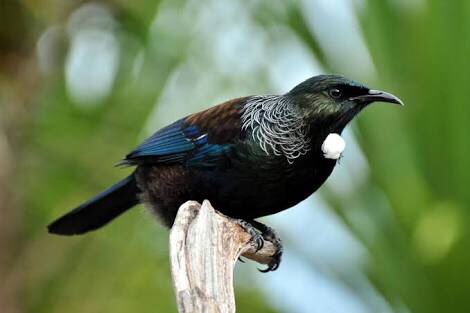
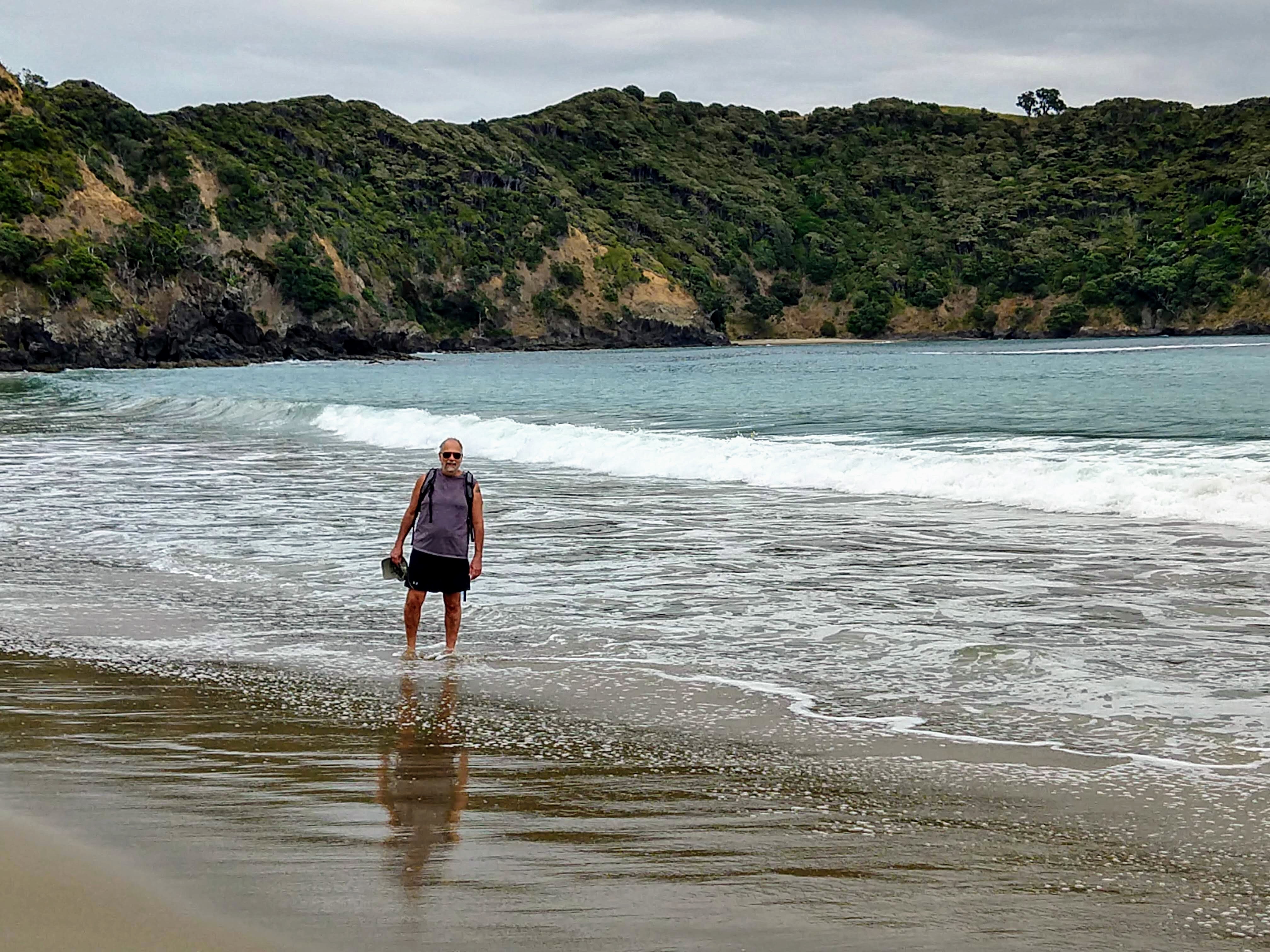
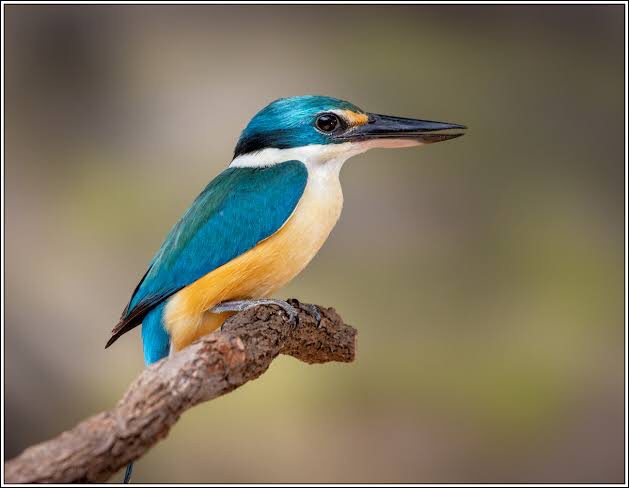
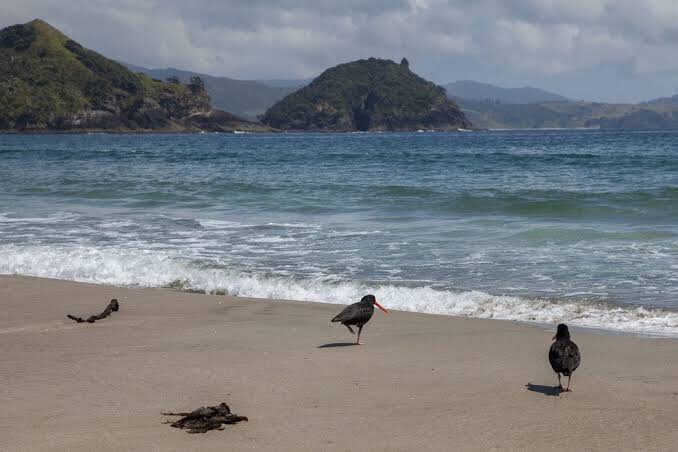
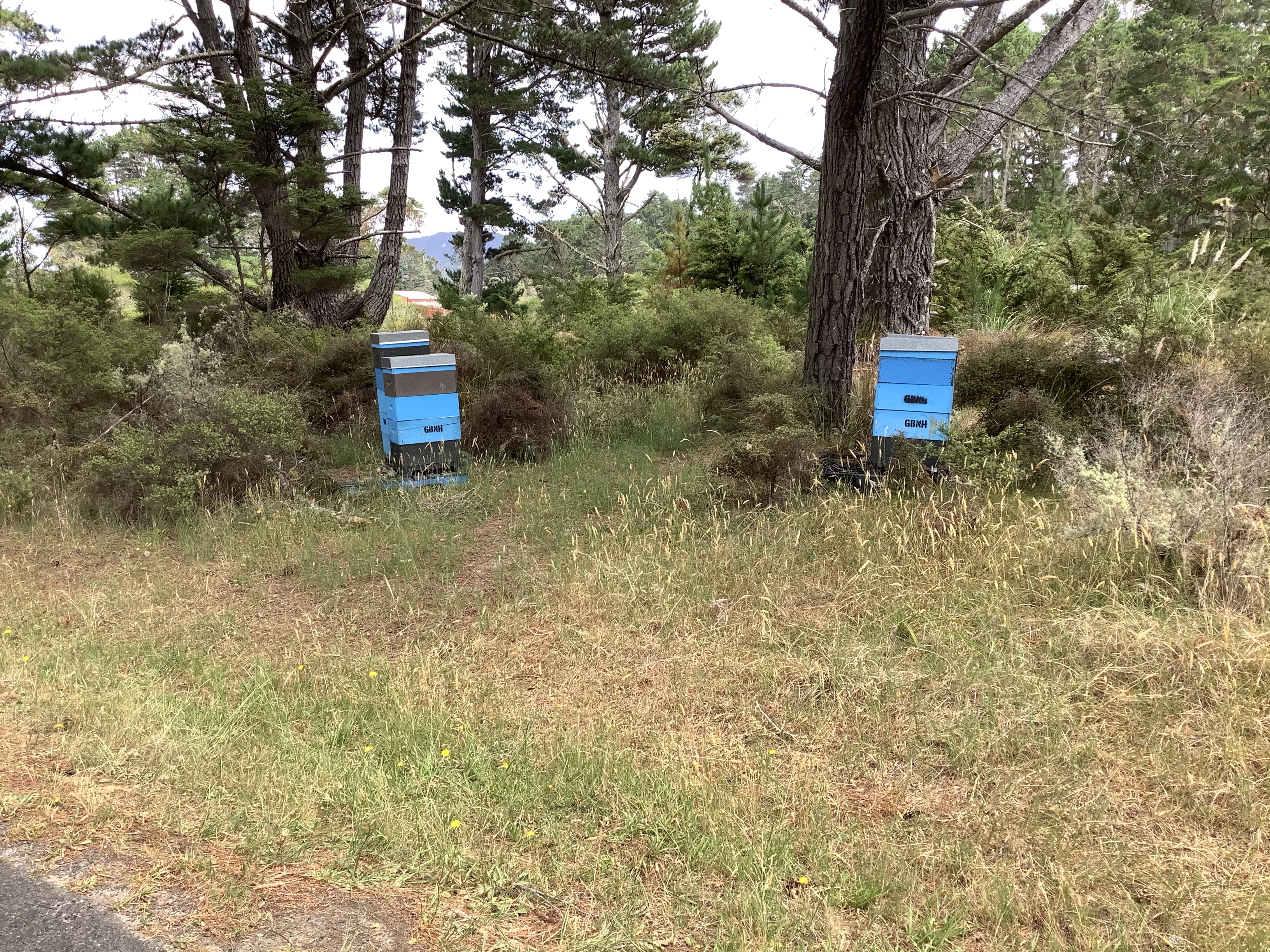
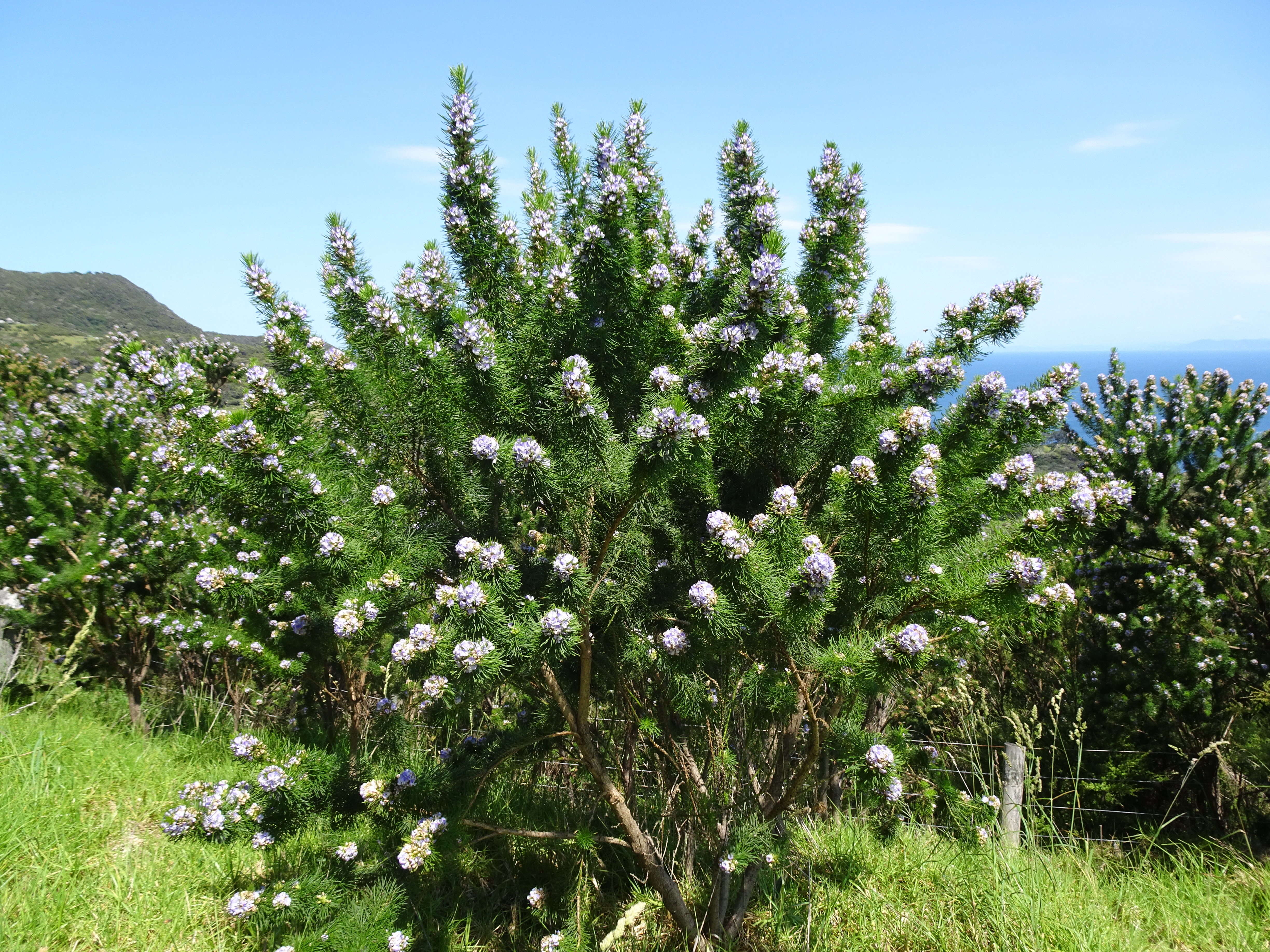
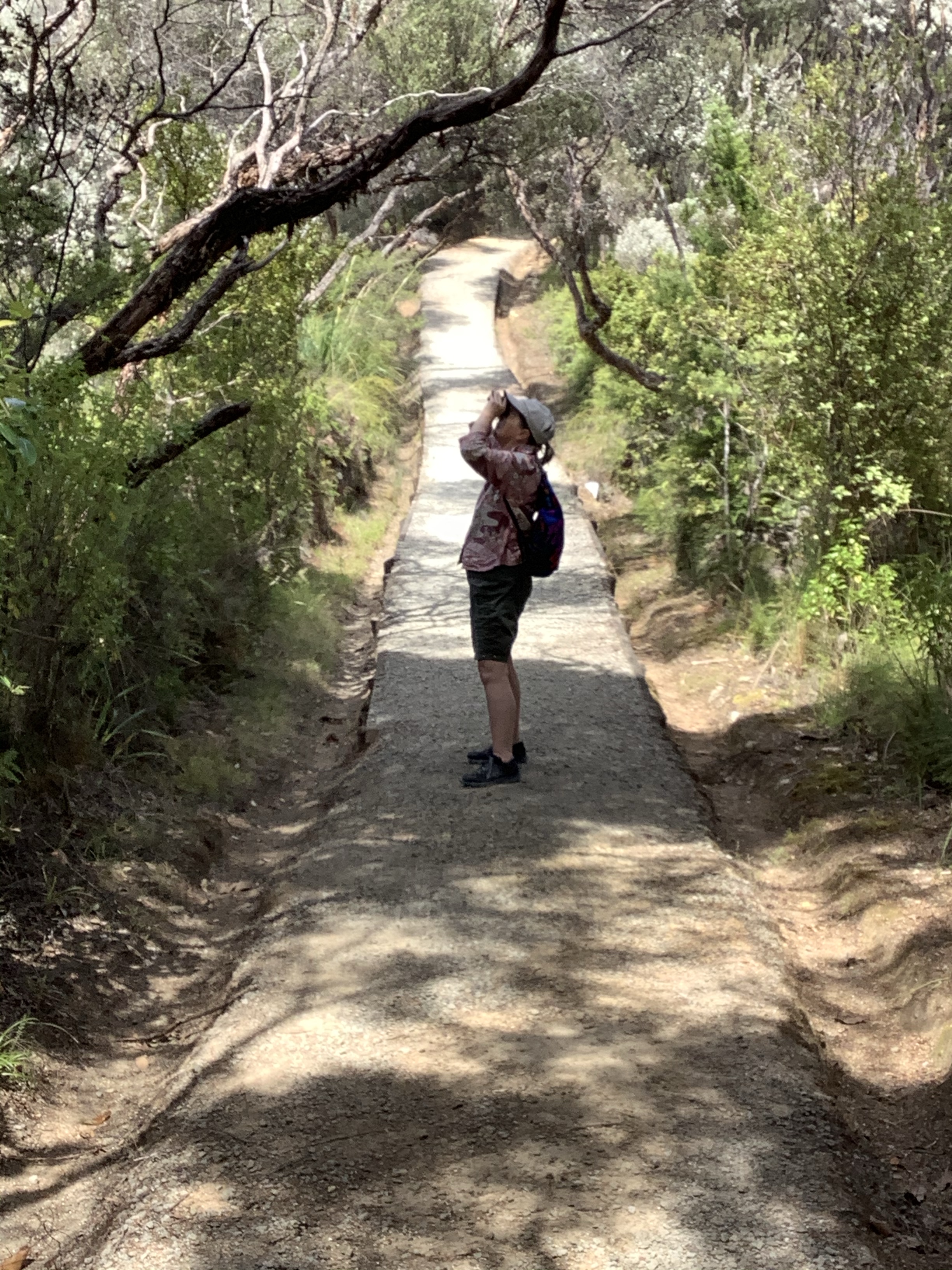
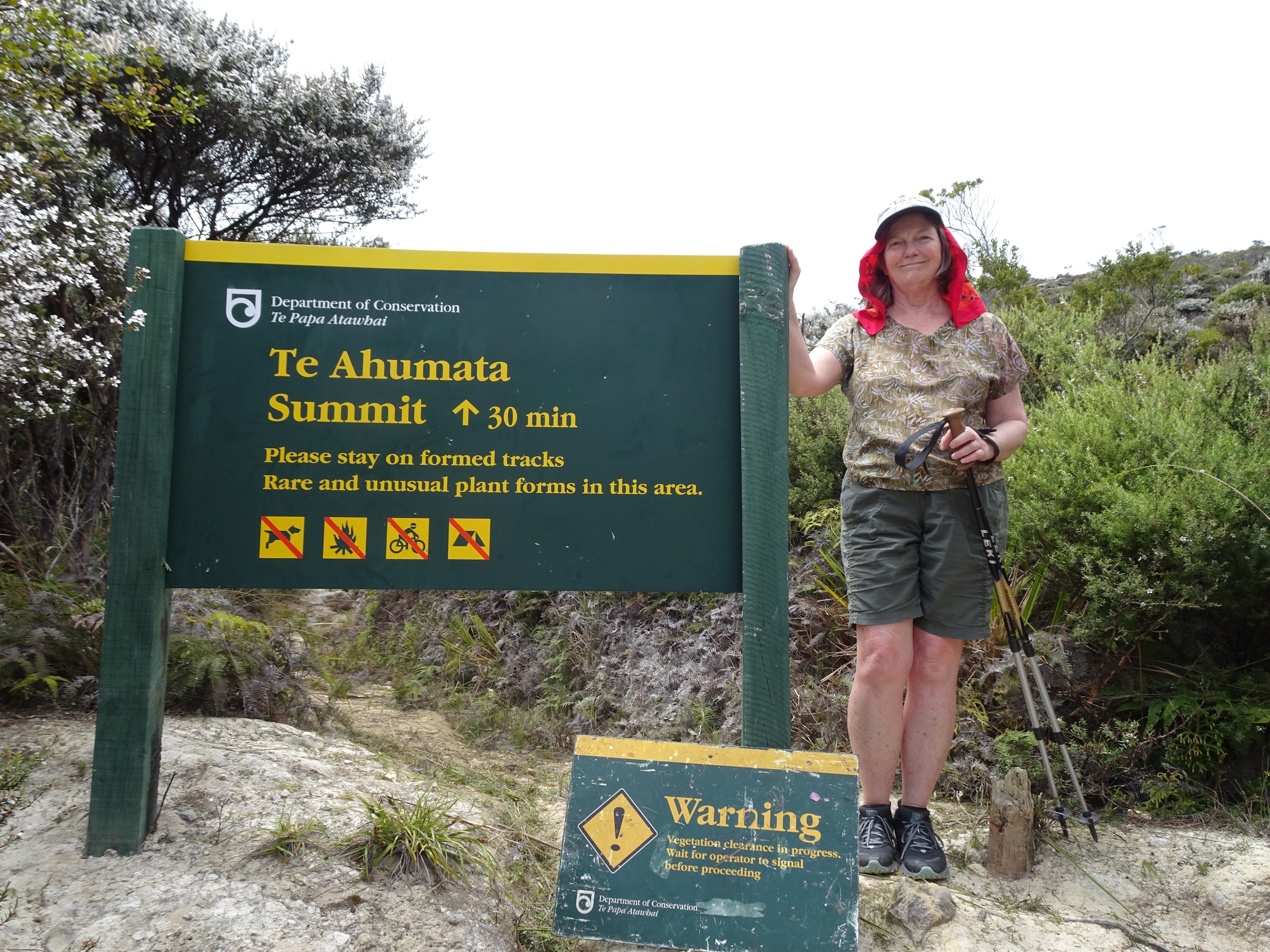
The island has hiking trails (tracks for tramping) all over the place. The tracks are well-marked and relatively well-used. The Kiwis really do appreciate their land and they want to take care of it. One day, we hiked into the hot springs, a lovely hike through forest and swampland. Another day we hiked up to the Te Ahumata Summit for some great views out into the infinite ocean. We also hiked down to some bays to watch the waves. There are honeybees all over the island, with lots of beekeepers and lots of Manuka trees. The bees make honey from the flowers of these trees, and the honey is valued for its medicinal, antibacterial properties.
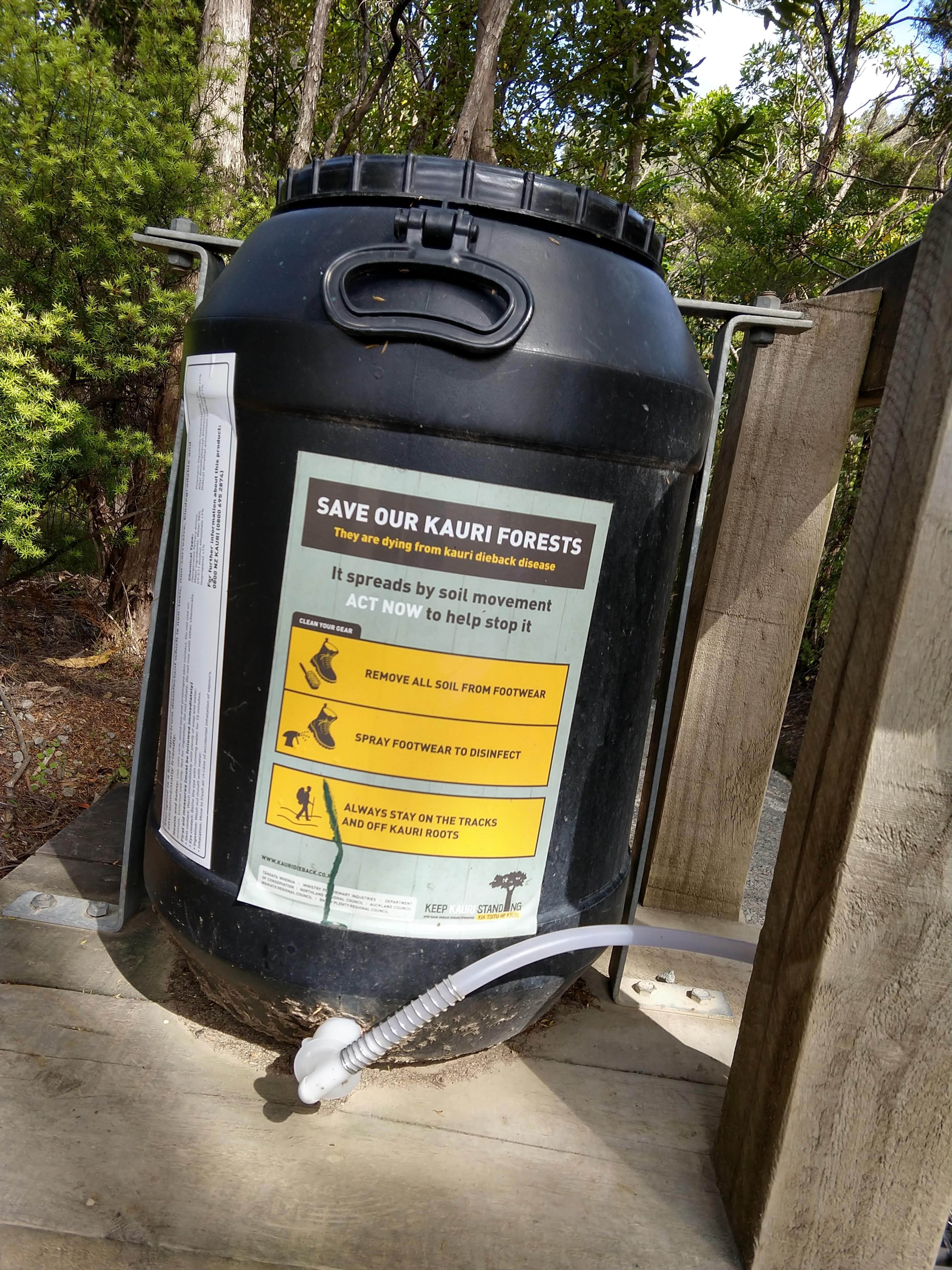
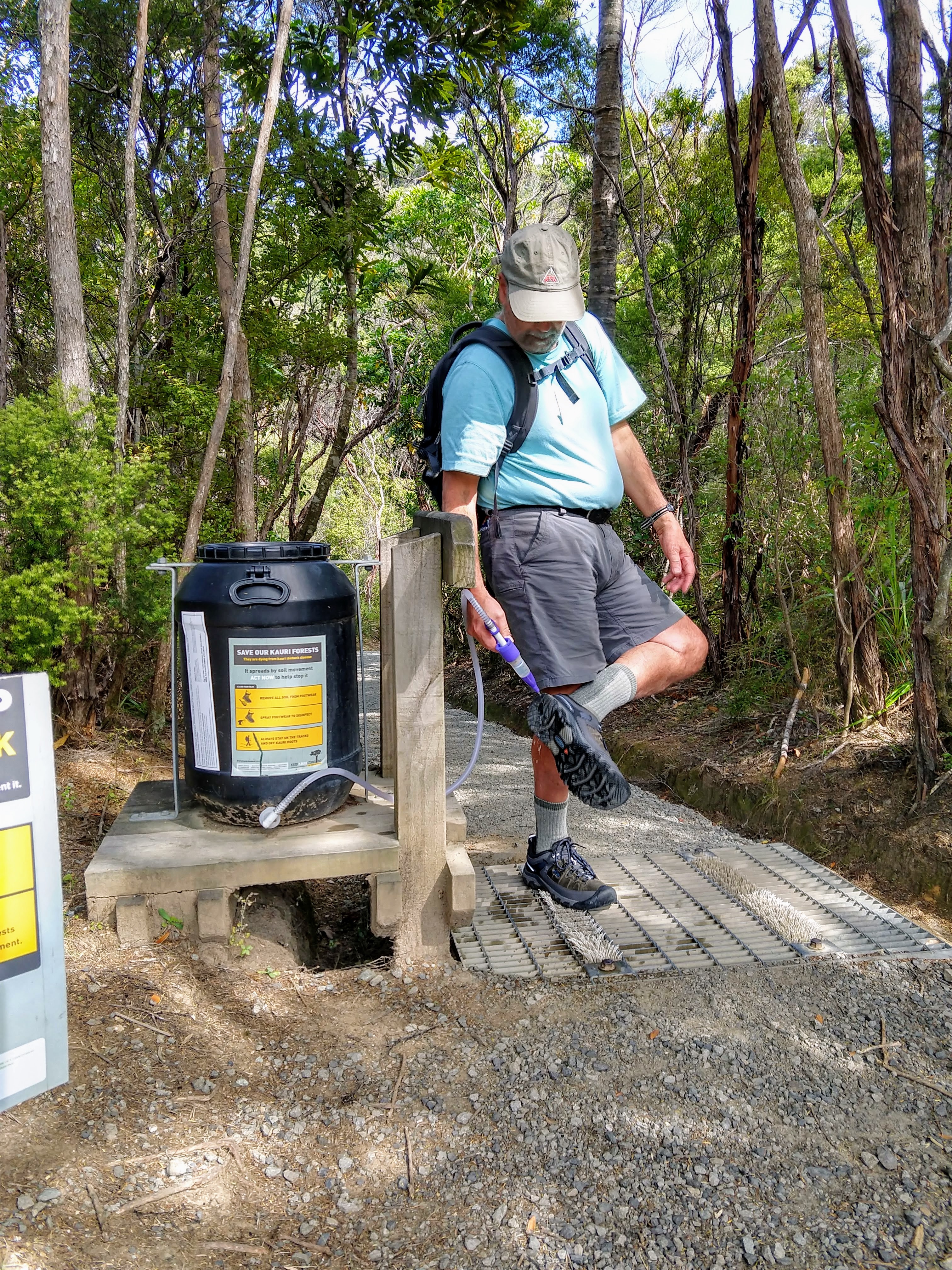
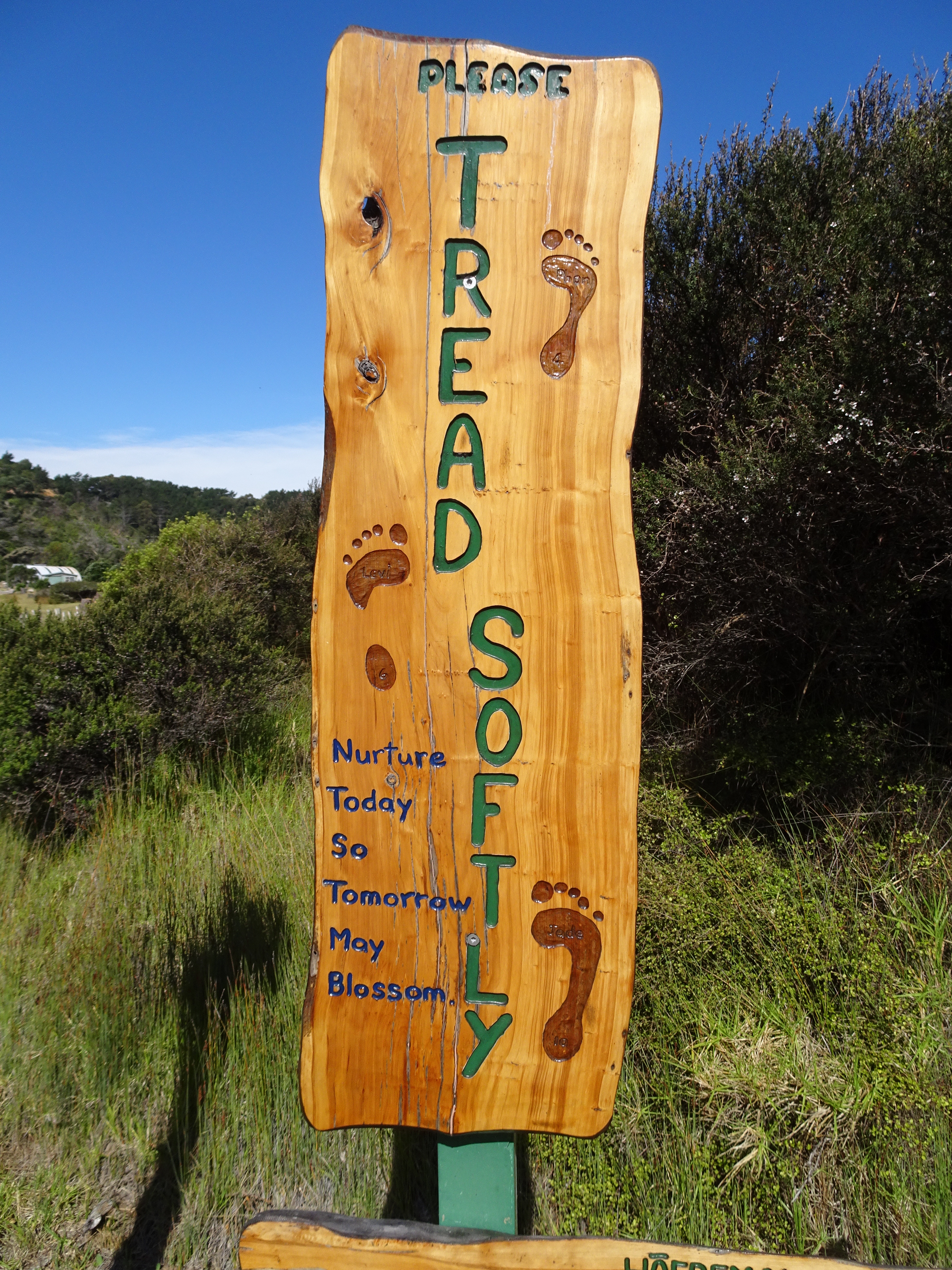
The Kauri tree is a New Zealand treasure that is severely endangered. It is a strong and mighty tree, similar in many ways to the Redwoods, including the fact that it has very shallow roots. It is tall and wide, and grows straight. For that reason, it was heavily logged and almost eradicated over the past century. It is now protected, but is being killed by disease, called the “Kauri die-back disease.” Bacteria enter the soil and seek the roots. One of the ways that the government is trying to save the trees is by having everybody disinfect their shoes before walking in the forest, as the bacteria are carried in and then can do its work. When we arrived at the airport, our shoes were disinfected for this reason also.
So peaceful. So quiet. People leave their car keys in the ignition. (The rent-a-car woman told us, “We’re not too worried about cars disappearing from here.”) The shops and restaurants close up around 4:00 or 5:00. Not much nightlife. All is well.
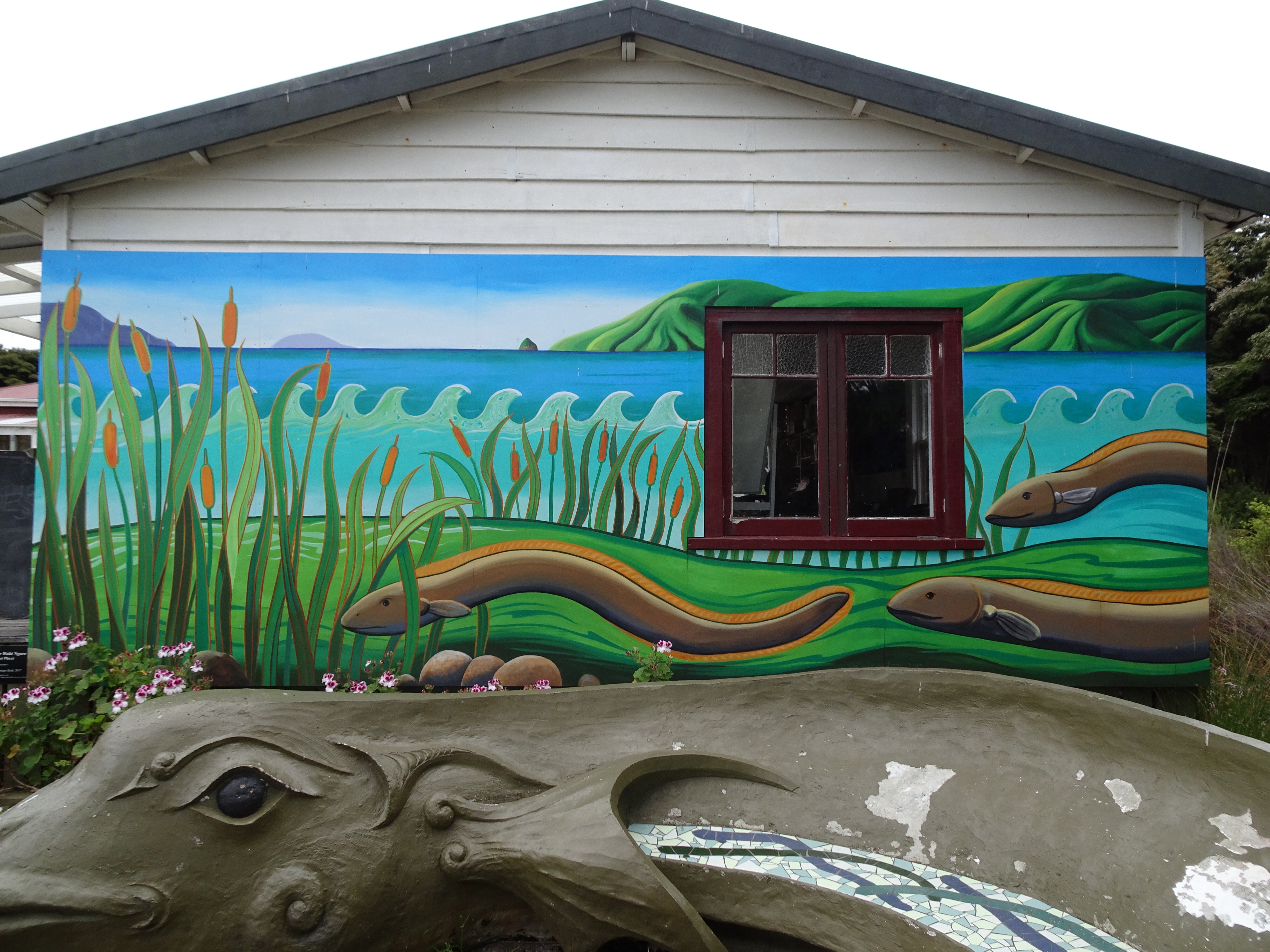
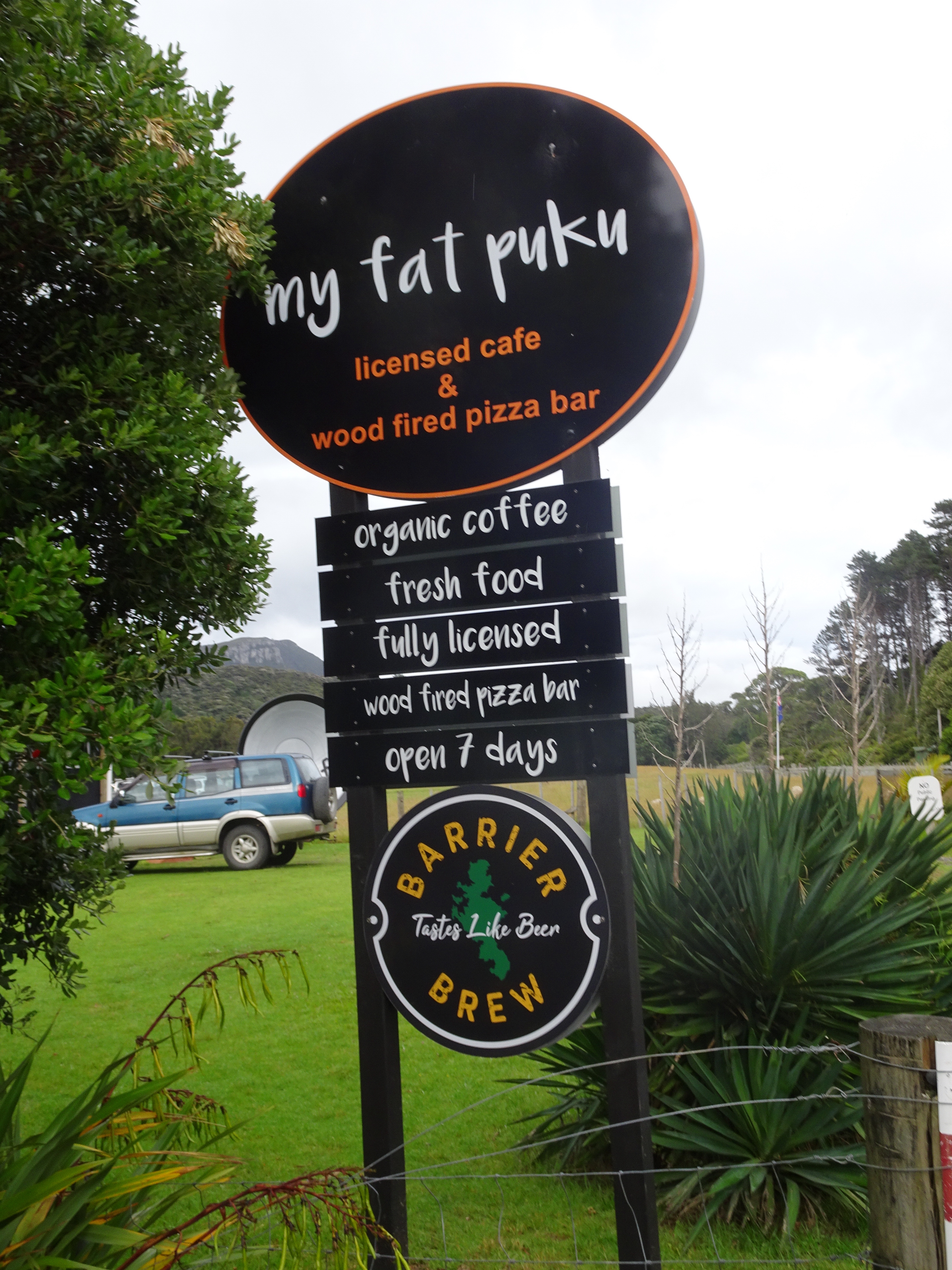
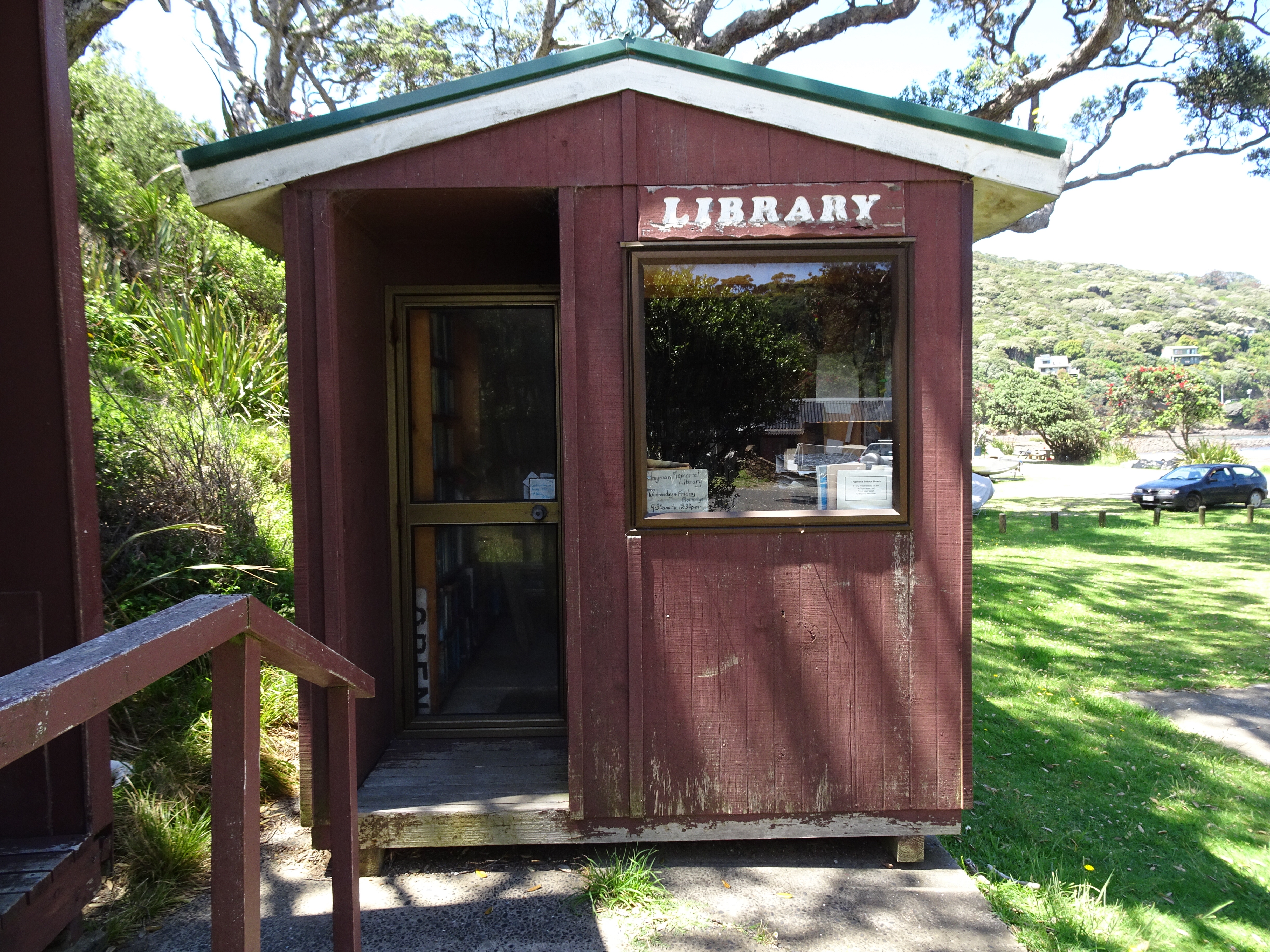
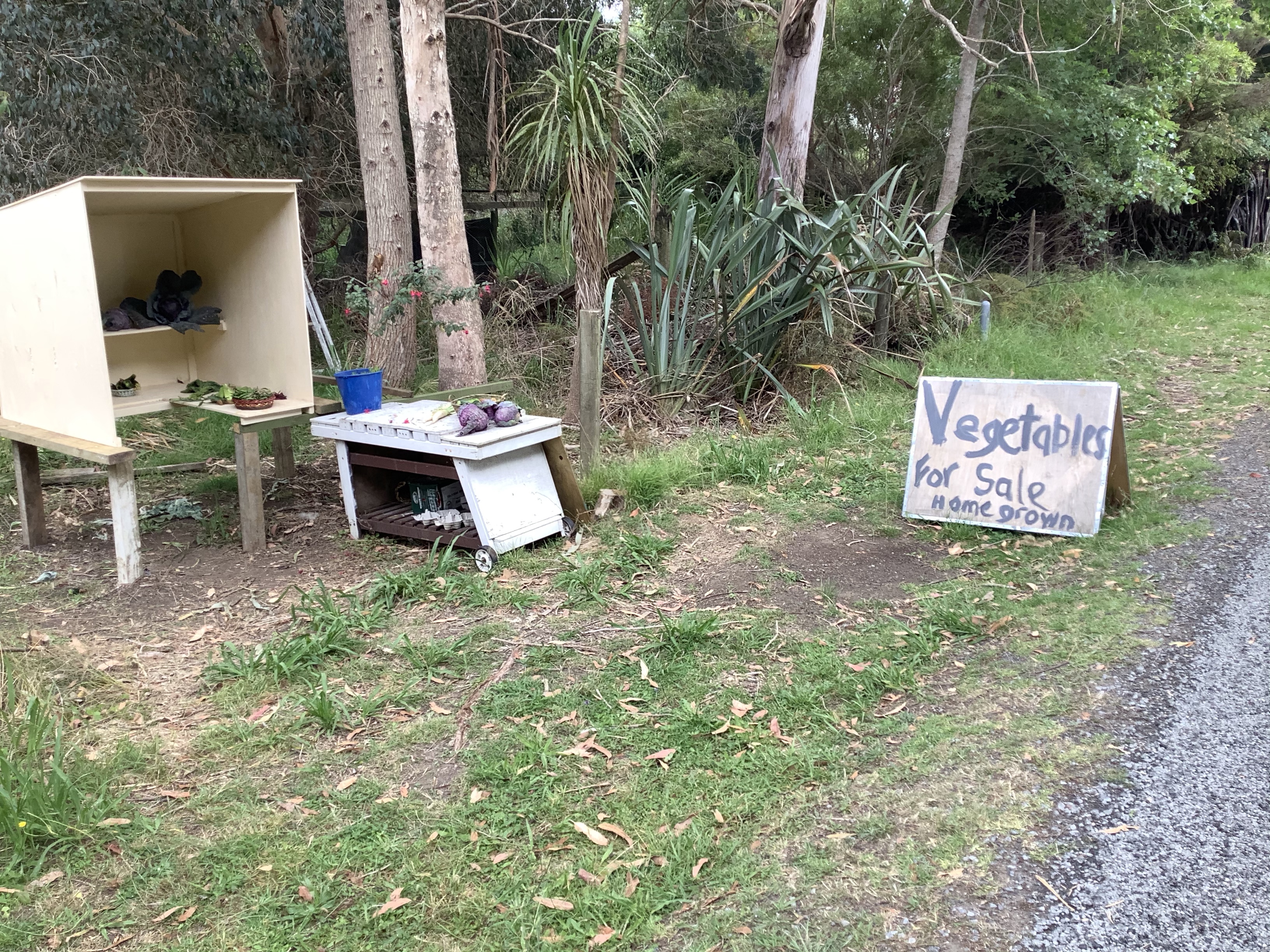
 Rolling Through Kiwiland
Beautiful – beautiful – beautiful! We are expecting 31 degrees tonight and tomorrow night, then heavy rains beginning Wednesday.
Aotea is a cool place — boiling water? NOPE! Guess I’m stuck here in the hood! 🙂
LikeLike
❤️
LikeLike
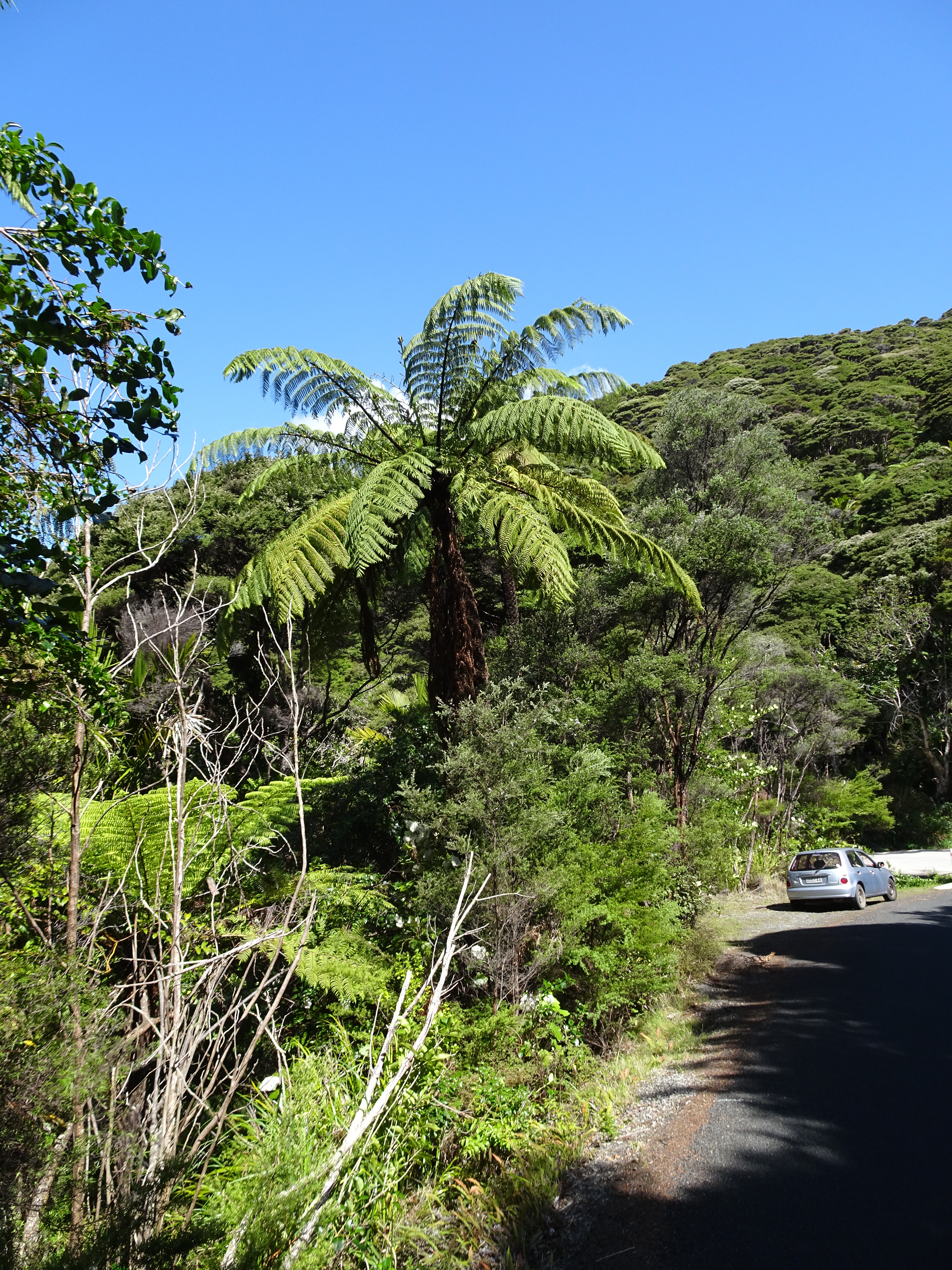
Wow, what an interesting story of your week there on Aotea ! and GREAT pics ! looks like you started out your travels with loads of fun !!!! I see a couple similarities to Kauai there; one the tree fern and then we have a new disease attacking our Ohia Lehua trees, which they are advising people to clean their shoes after going in the forest with Ohia Lehua. We were really wondering if you saw the volcano go off from where you were. We are so glad you were ok!!!!! It sounds a bit like stepping back in time…. no need to lock the doors or take the key out of the ignition of your car. The Big Island has catchment water like you described there. Mahalo for sharing !!!! Love it !!!!! Armchair traveling at it’s finest !!!
LikeLike
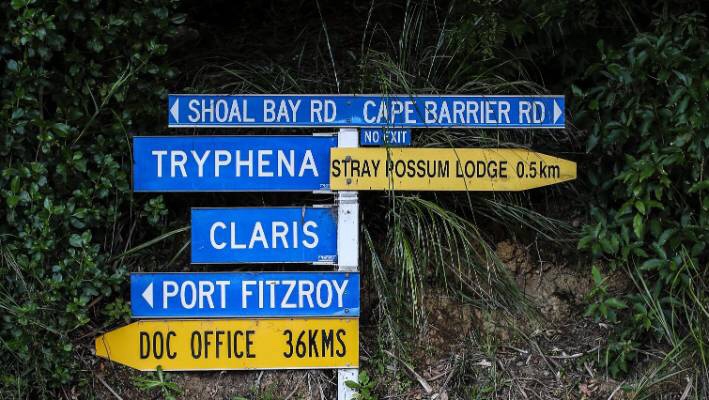
Hi Mike and Monica!! This place sounds so peaceful. What a nice beginning to your trip. The “Stray Possom Lodge” sign cracked me up. Did you go there?We were all thinking of you because the volcano erupted the day after you got there. I suppose you weren’t even aware of it.
Monica, we missed you at angels! Just didn’t seem the same without you! Christmas preparations are under way. I baked cookies and made angels with Willa last time I was there. More cookie making this evening. Pistachio thumbprints with raspberry jam!
Much love and well wishes on your travels!!
LikeLike
Such a wonderful experience you both are having! Learning about coffee choices and disinfecting your shoes! The photos are beautiful!!! Enjoy your holidays! We are all thinking of you!! ❤️❤️❤️
LikeLike