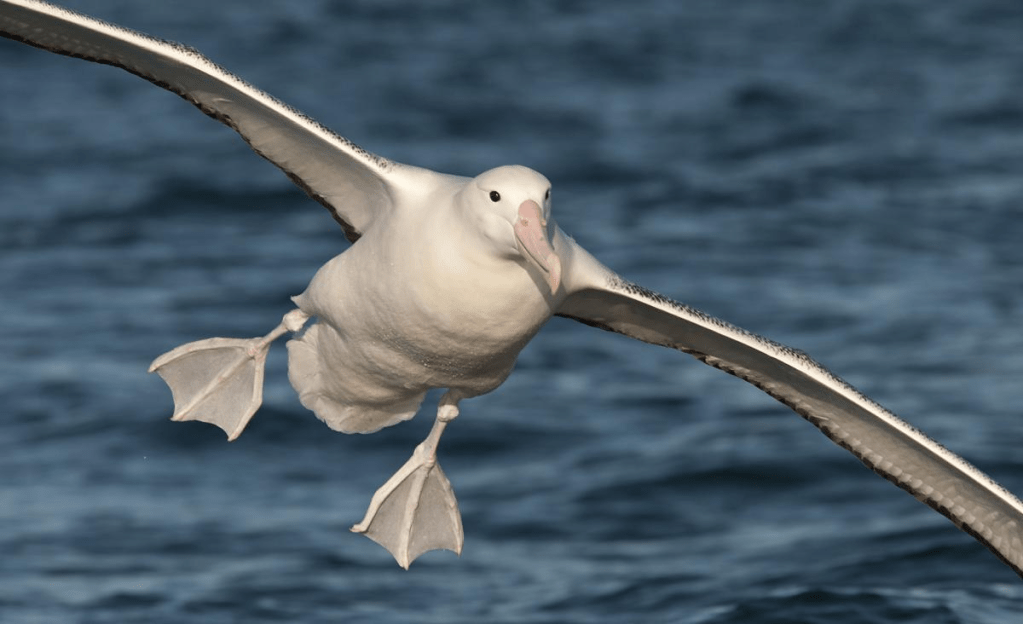
Albatrosses!
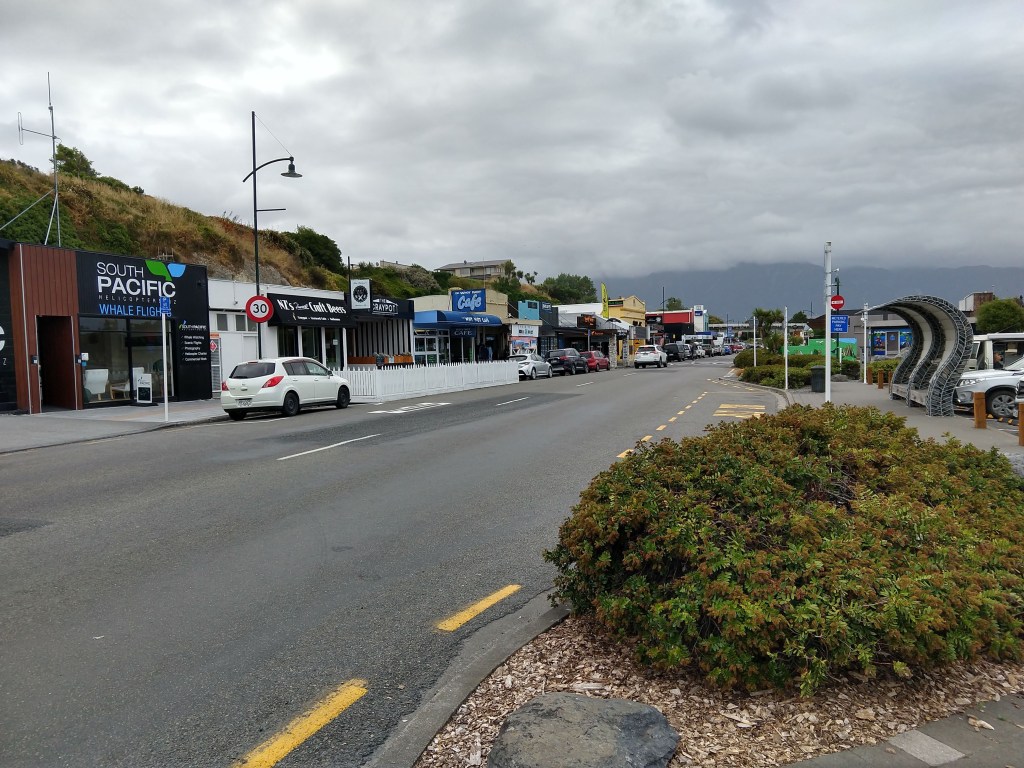
Kaikoura is a small town on the northeast side of the South Island, and it is famous for offering the best and easiest pelagic bird watching in the world. Kaikoura is all about the ocean. There is a trench, or canyon, just offshore that is a kilometer deep. If you are a sea creature, this is where you go. Whales, dolphins, and seals all come here as if they’re going to the mall. There are nutrient-rich currents and upwellings that support an incredible diversity of sea-life. And the albatrosses fly here from around the world to feed. They circumnavigate the world in the Southern Ocean, flying to South America and back.
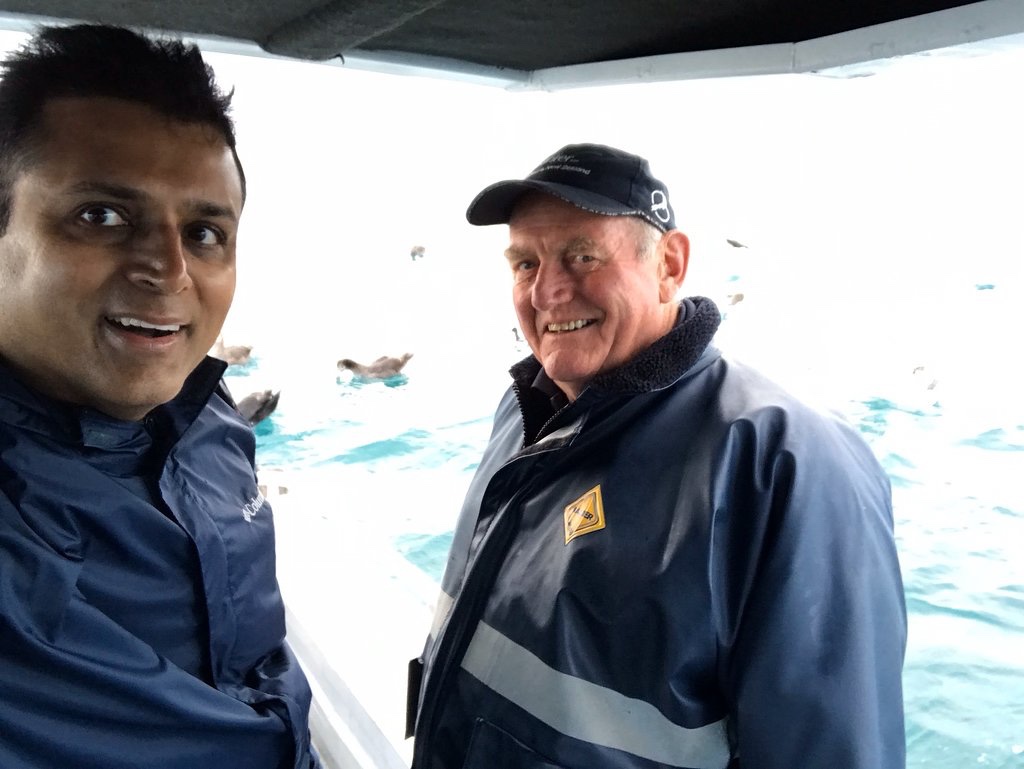
It is really easy to see them here. Just get on a little boat and head out for fifteen minutes. They don’t really live here, but there is a continuous coming and going. This is a stop on their route. I got on a boat at 6:00 a.m. and headed out with eight other passengers and the skipper. Monica stayed home because she was afraid she’d get seasick, but the ocean was actually very calm. We saw five species of albatross, (there are 22 species in all), in addition to giant petrels, cape petrels, and terns. We also saw dolphins surfing in the wake of the boat.
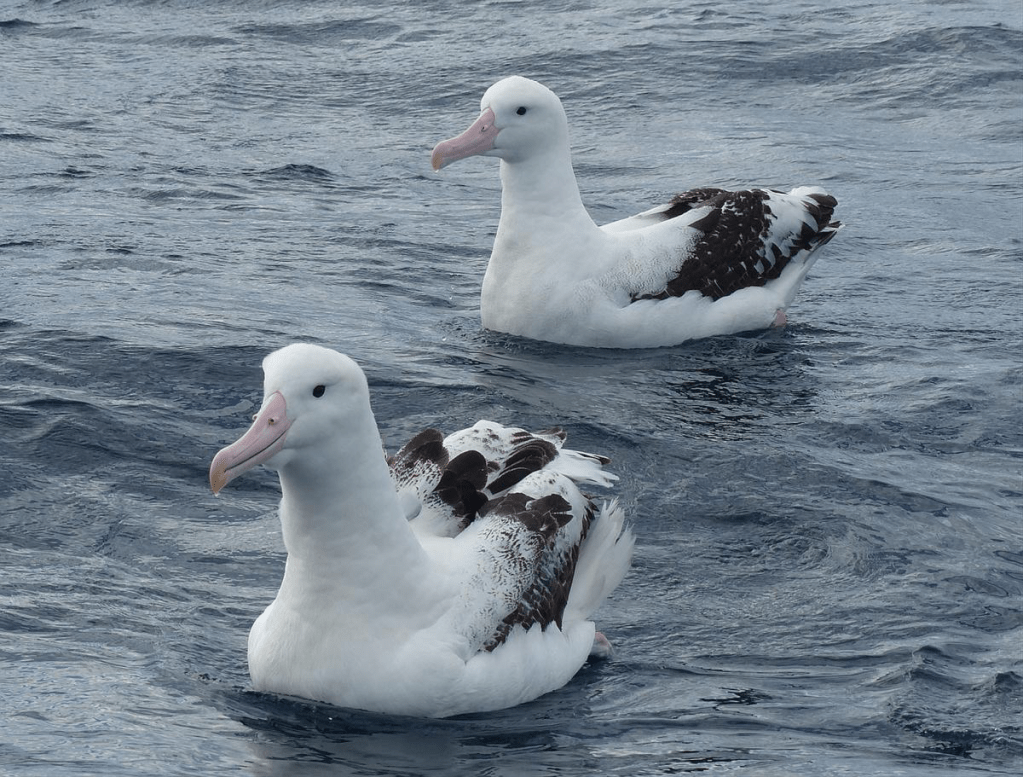
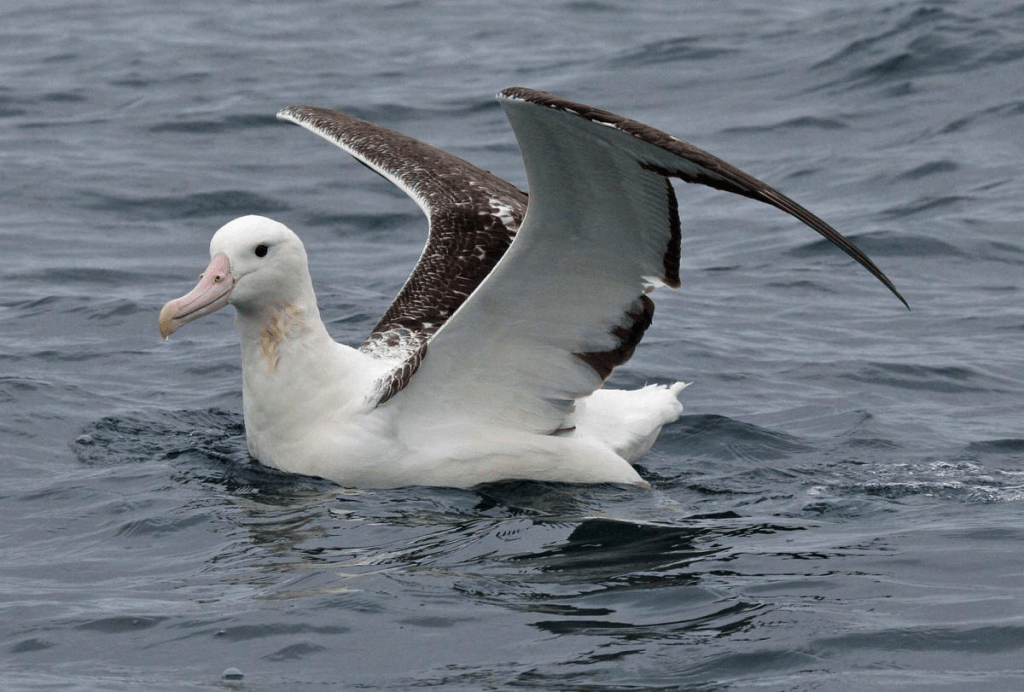
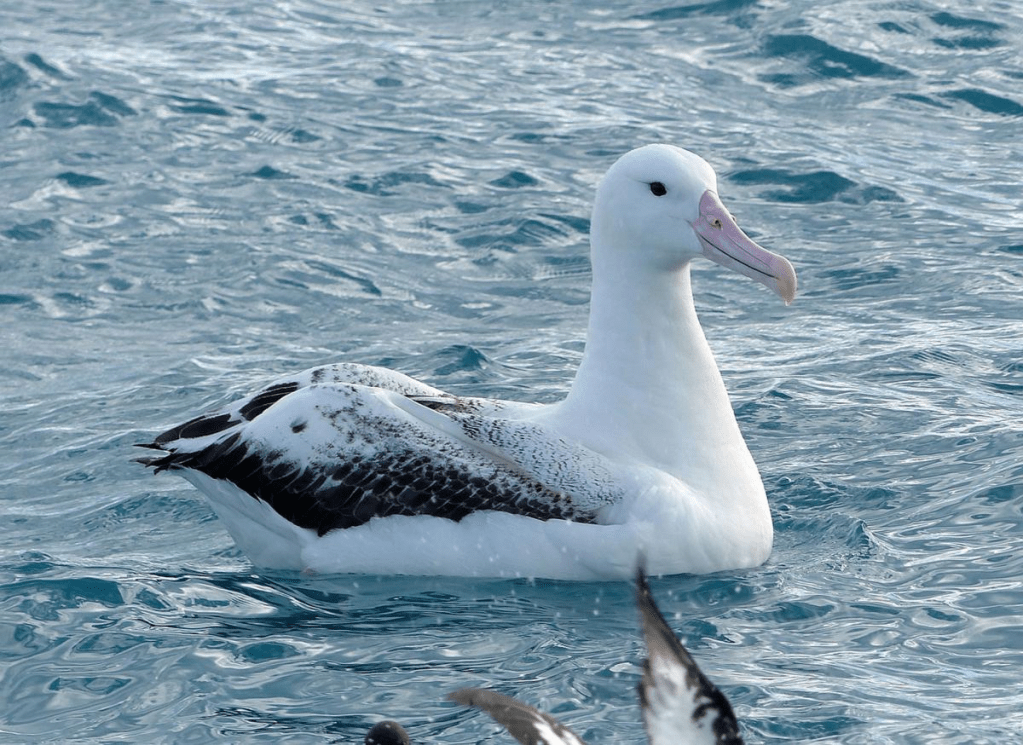
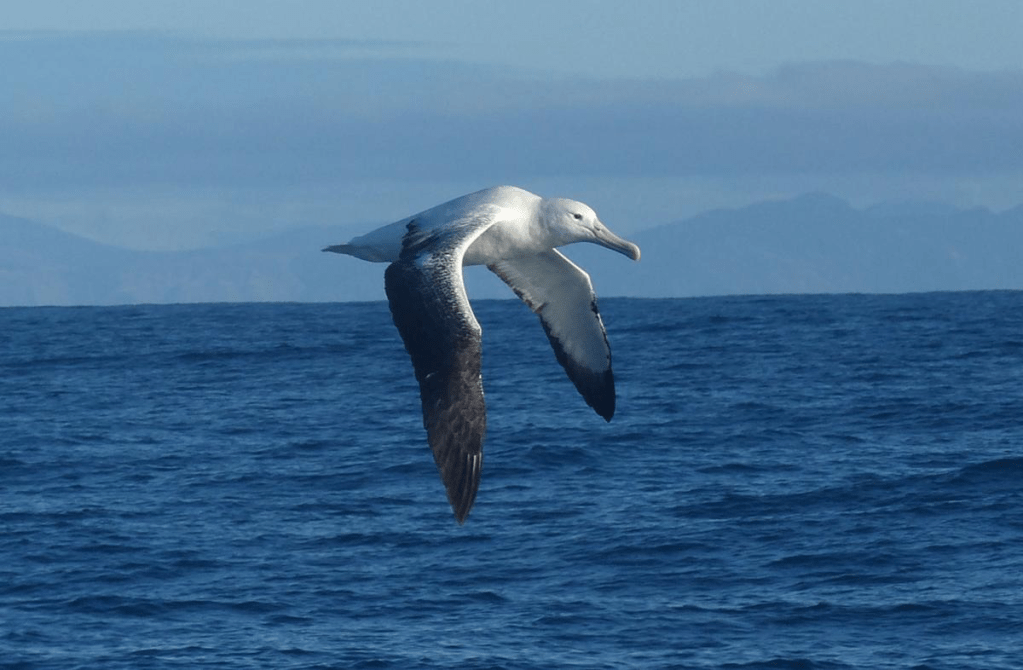
The skipper, Gary, dropped a cage-full of chum into the water so the birds would come up to the boat. There also was a fishing boat in the water, which attracted the birds. They know that where boats are, fish are. At first I thought that this was somehow unethical, but these birds are not dependent on the boats. This is just one little treat for them before they fly off for thousands of miles. With the engine off, we bobbed in the gentle swells, and Gary served ginger tea and ginger cookies. He answered questions and we talked about birds and enjoyed the early morning sunshine.
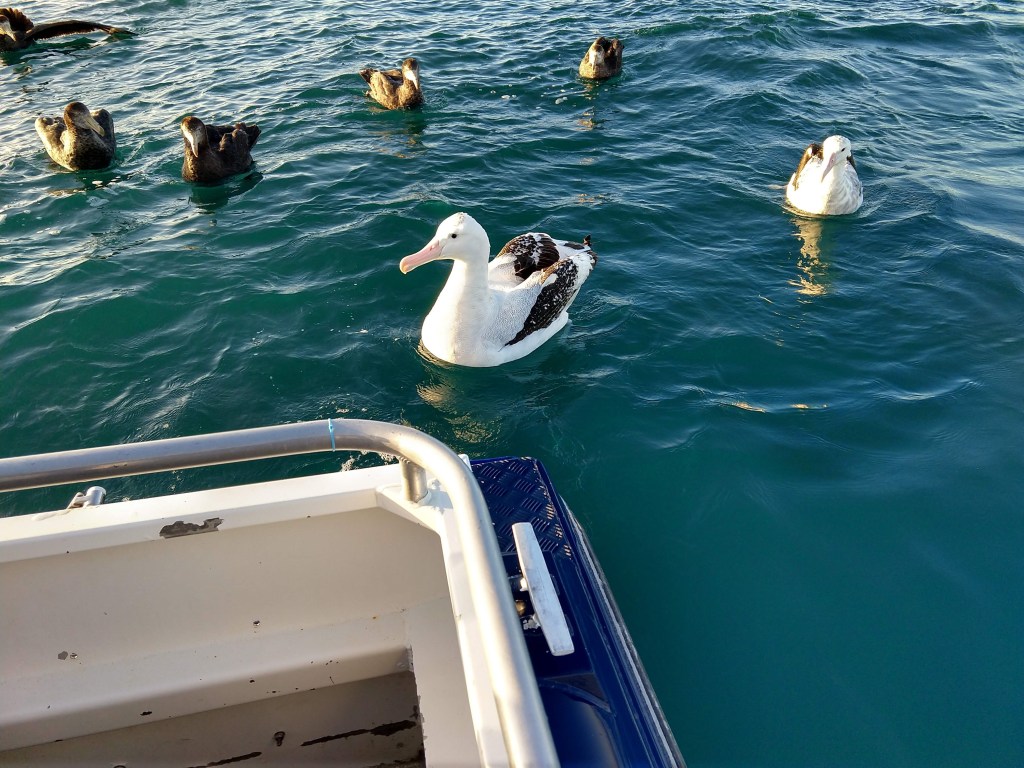
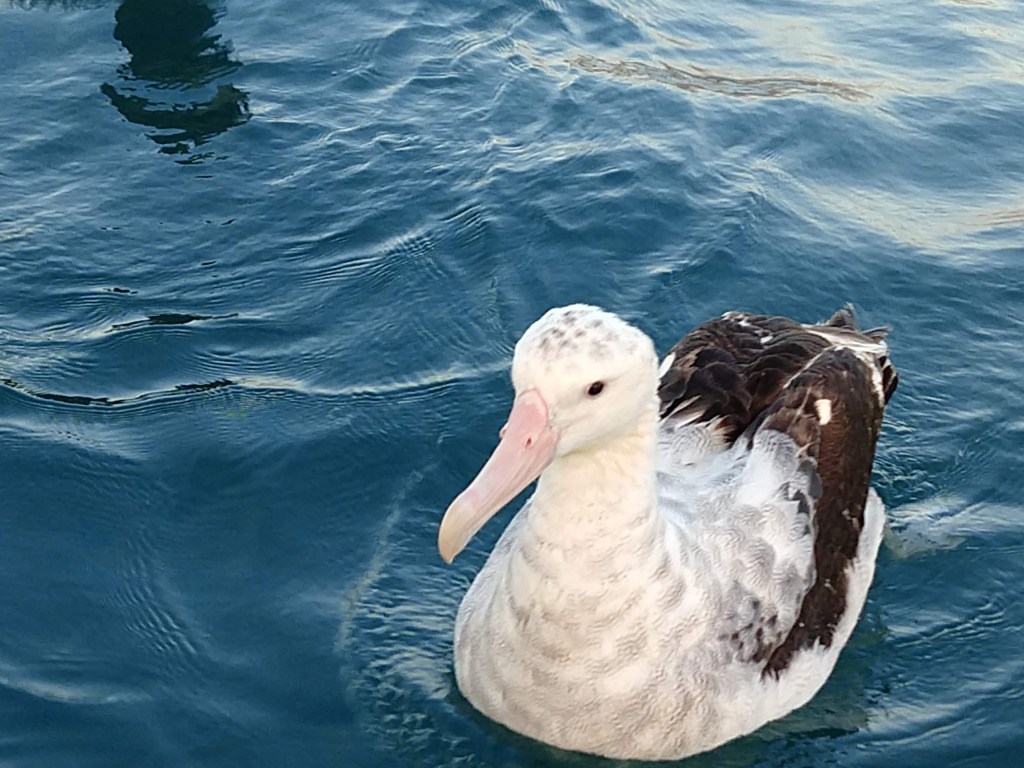
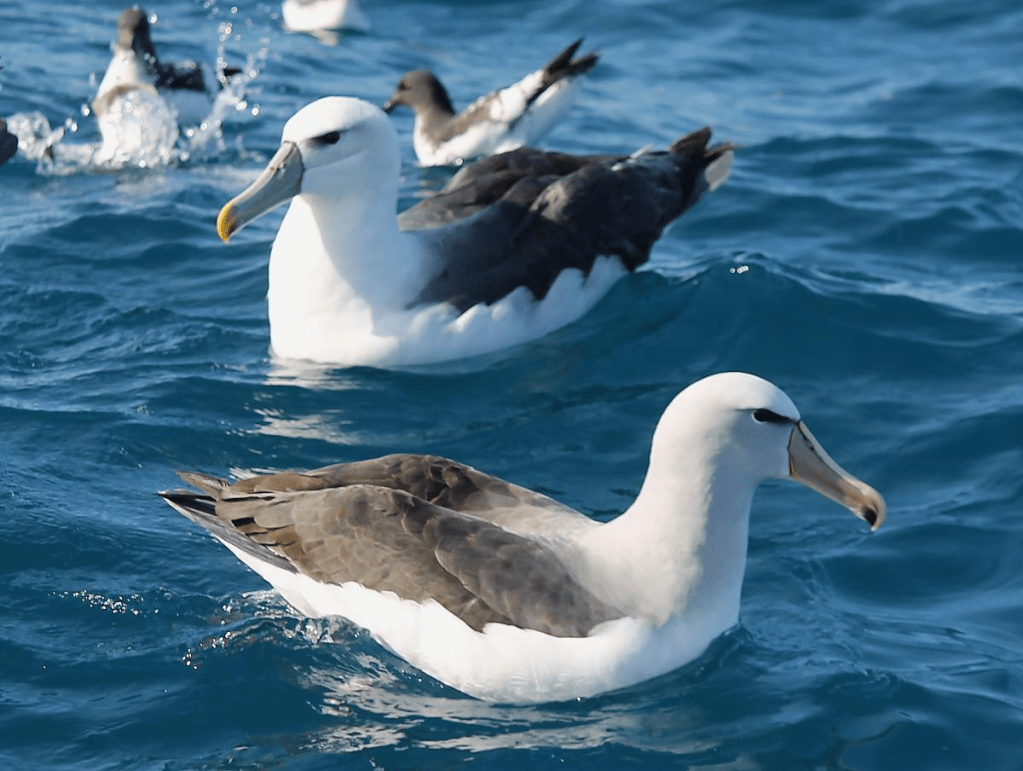
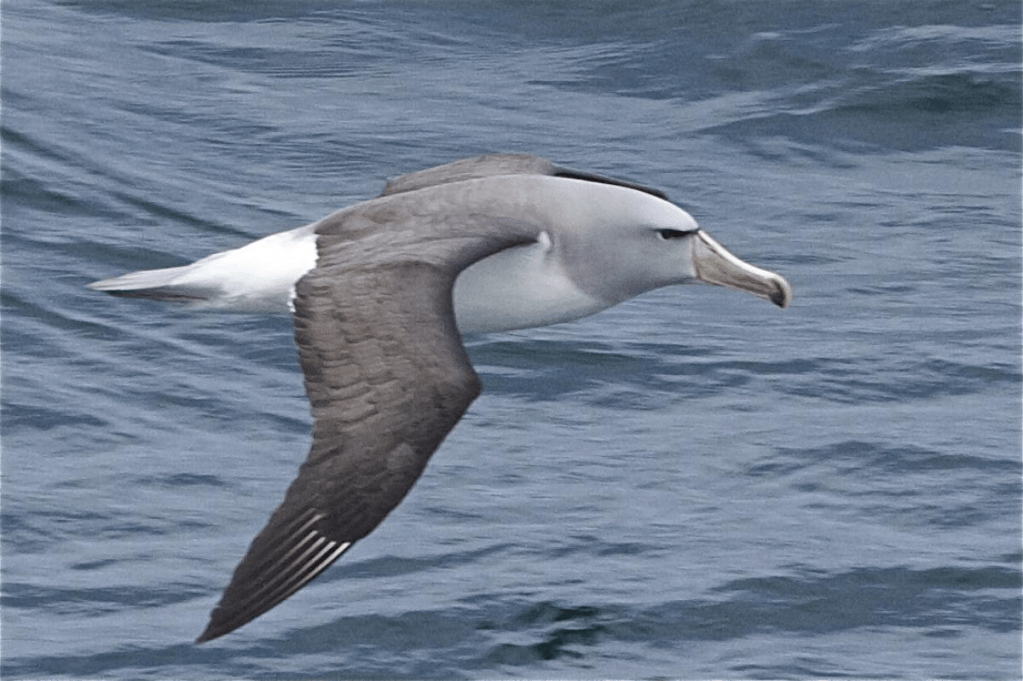
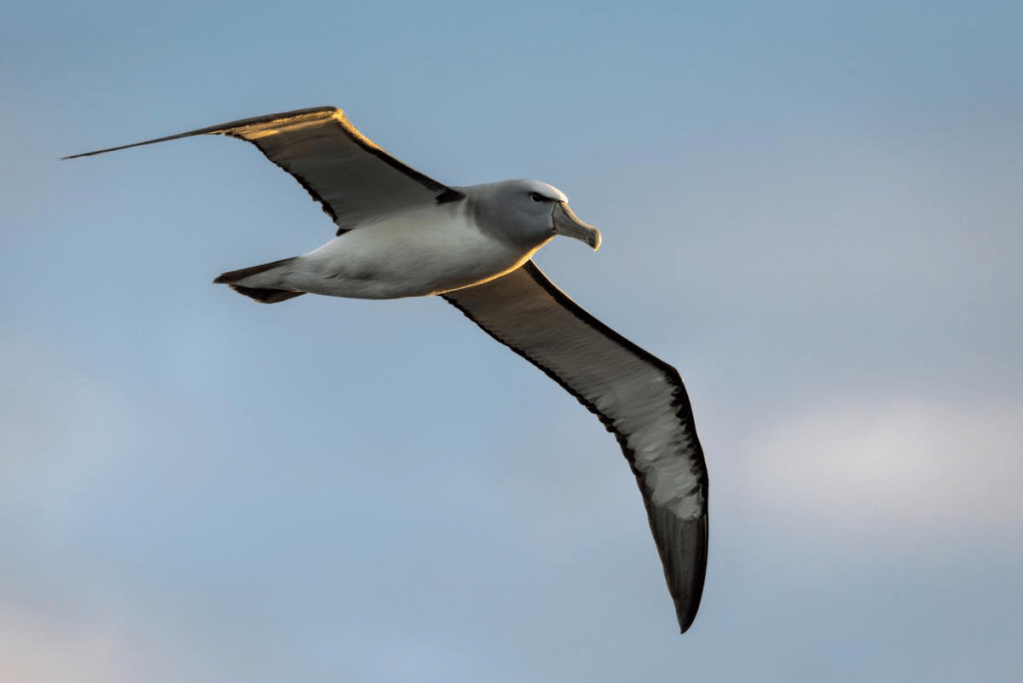
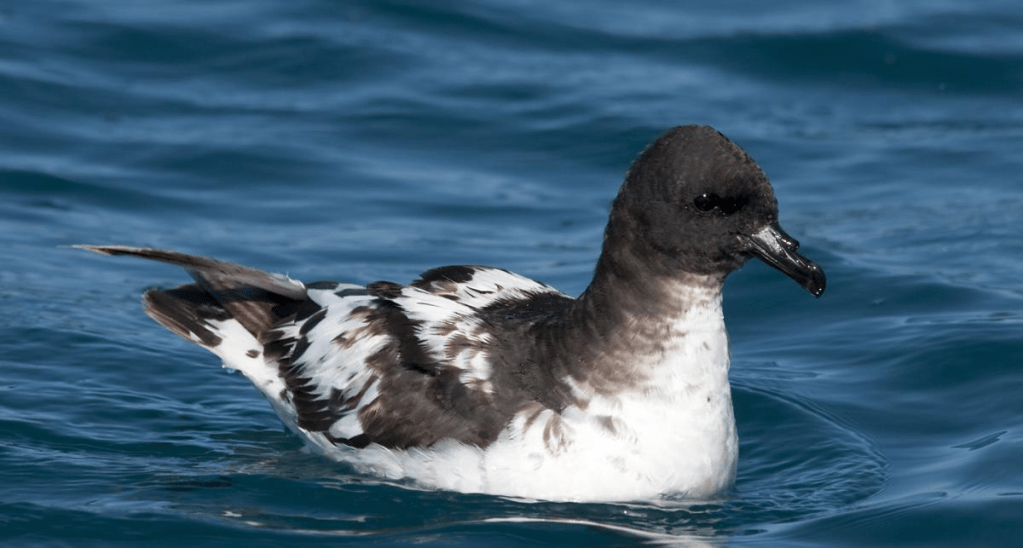
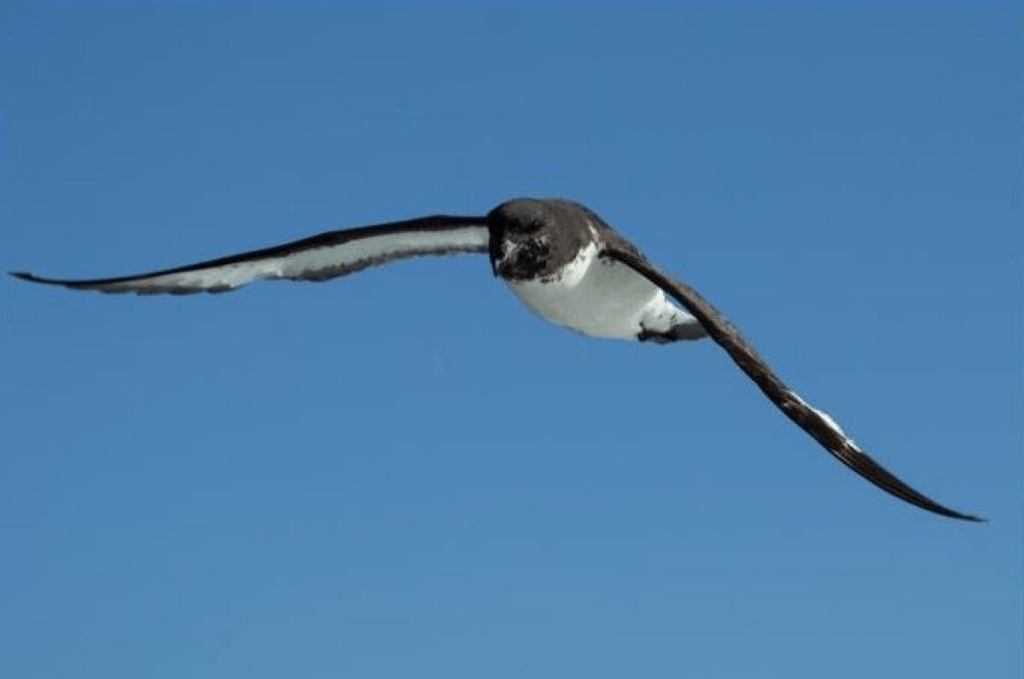
All in all, a spectacular morning of birding. People also go out on whale-watching boats, and dolphin-watching boats. The people who choose to go dolphin watching can also choose to put on wetsuits and get in the water with them. The dolphins don’t mind. They could simply swim away if the wanted, but they are curious, and they swim up to the humans and want to interact. They are not in a pen; they are out over the trench.
Albatrosses can fly 10,000 miles in a single journey. They spend their whole lives on the ocean, except for breeding. They can circumnavigate the globe in a month and a half. It is rare for any of us to see albatrosses, because they usually are in a remote area over the Southern Pacific. To be able to just walk into town, get on a little boat, and see them so close is almost unheard of. Thank you Kaikoura.
Around the Peninsula
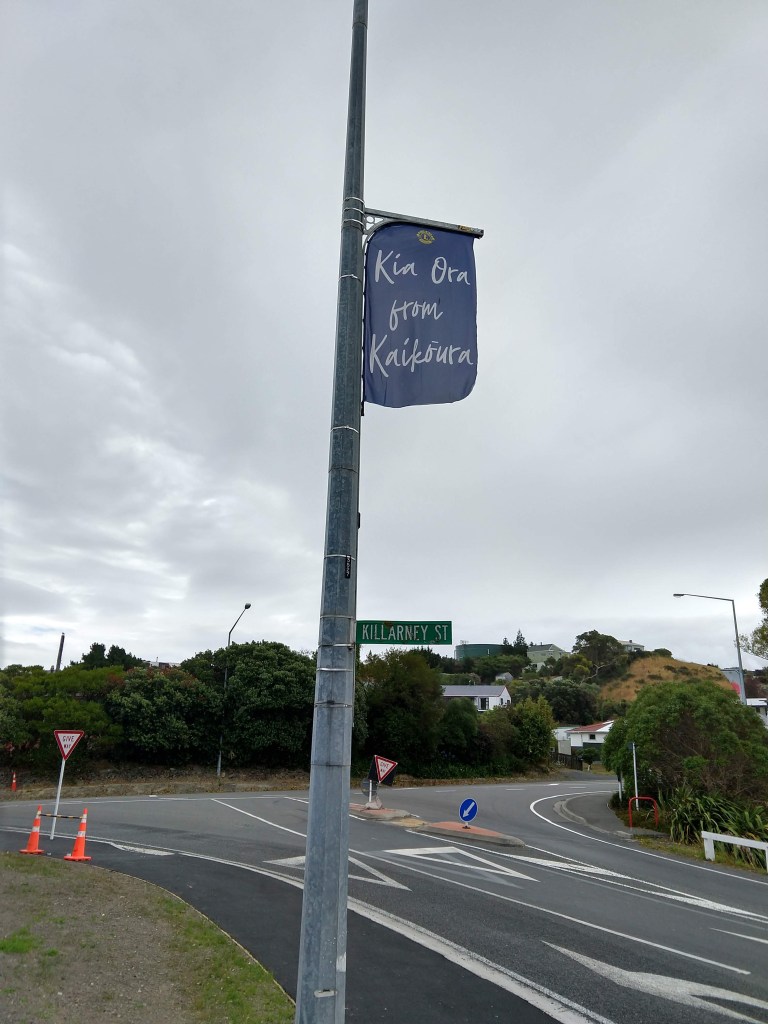
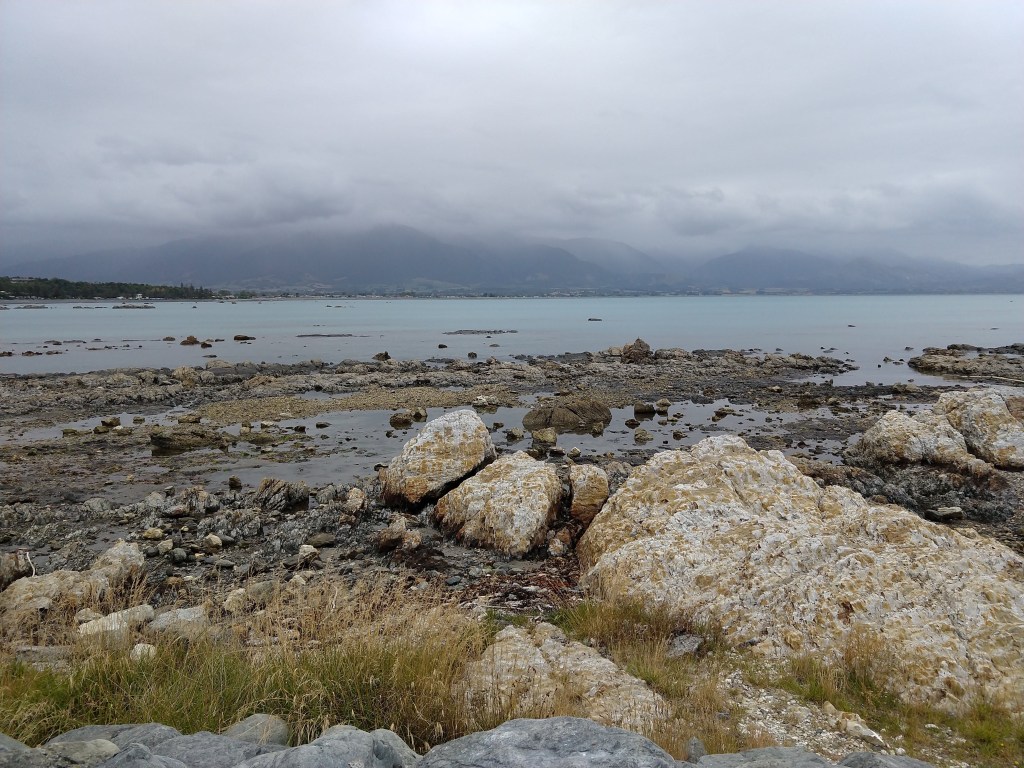
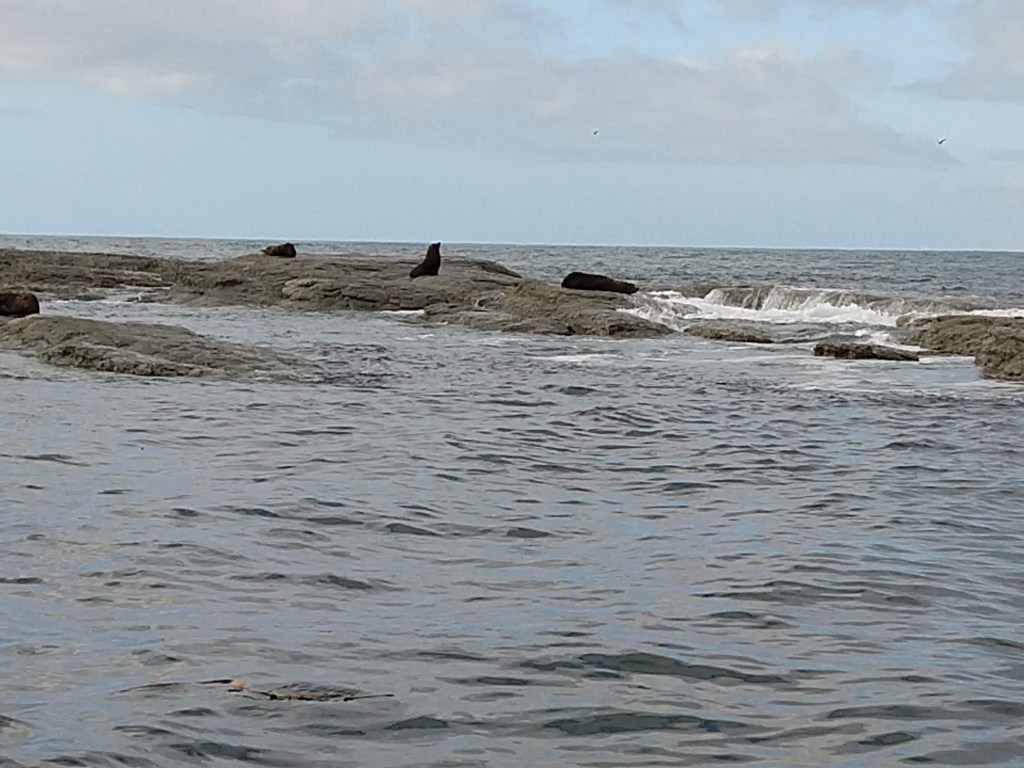
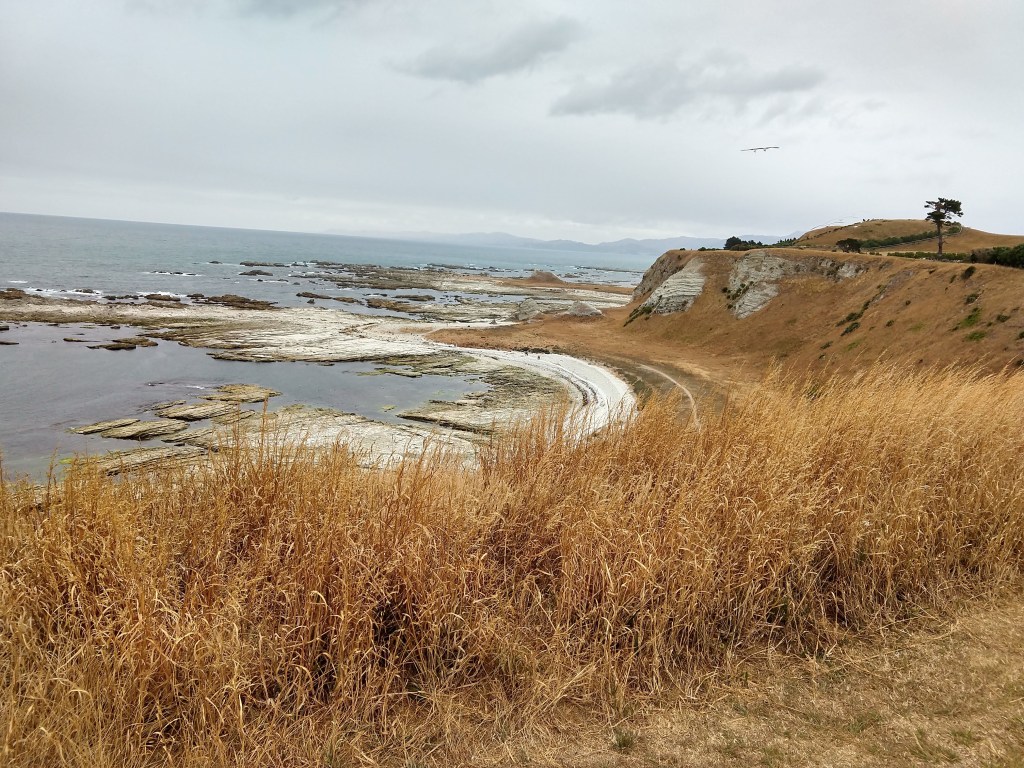
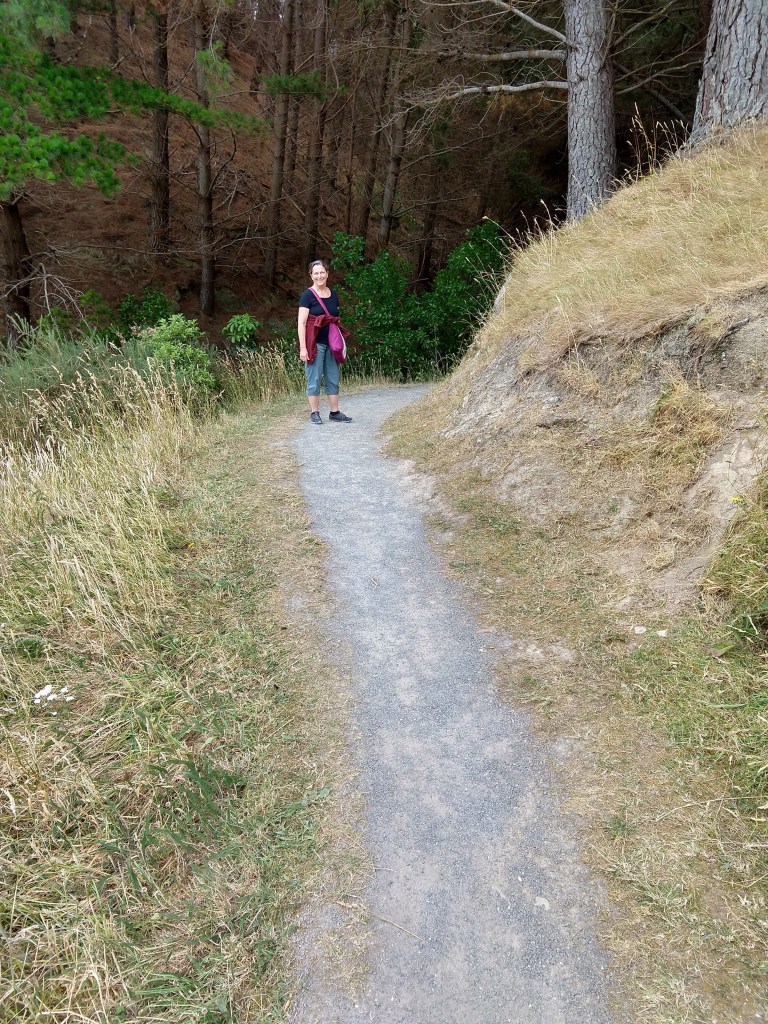
The town of Kaikoura sits at the base of a peninsula that juts way out into the water. There is a ten-kilometer trail that works its way around the peninsula and it is a very popular walk for tourists and locals. We walked it on a cloudy cool day.
Hutton’s Shearwater
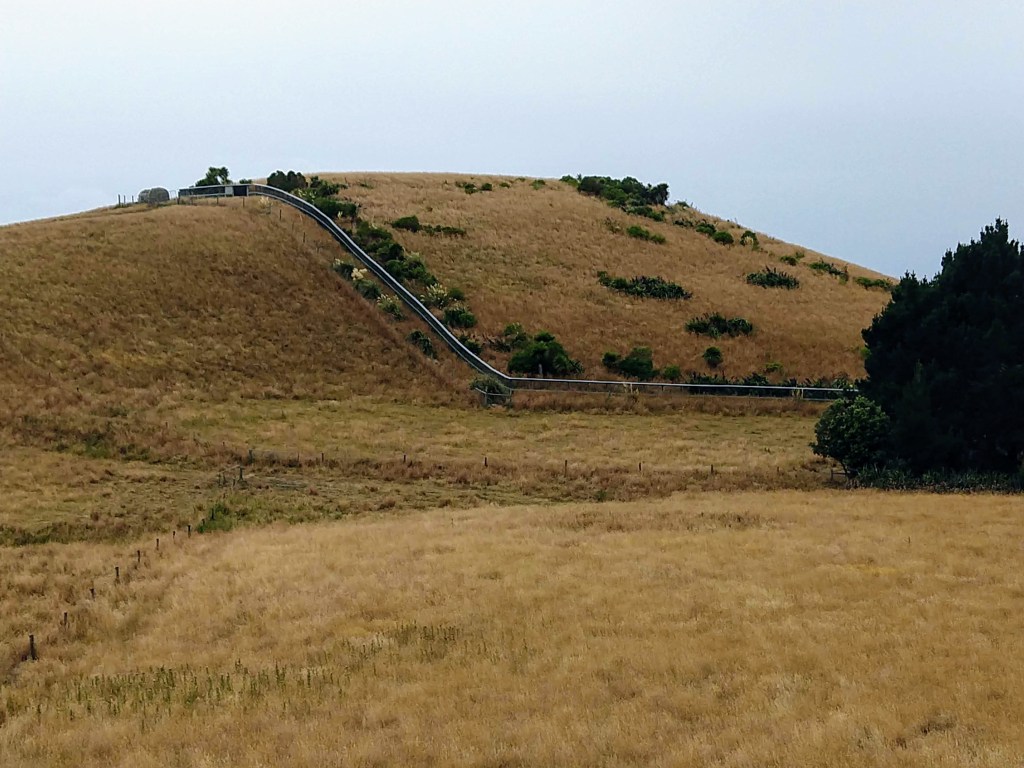
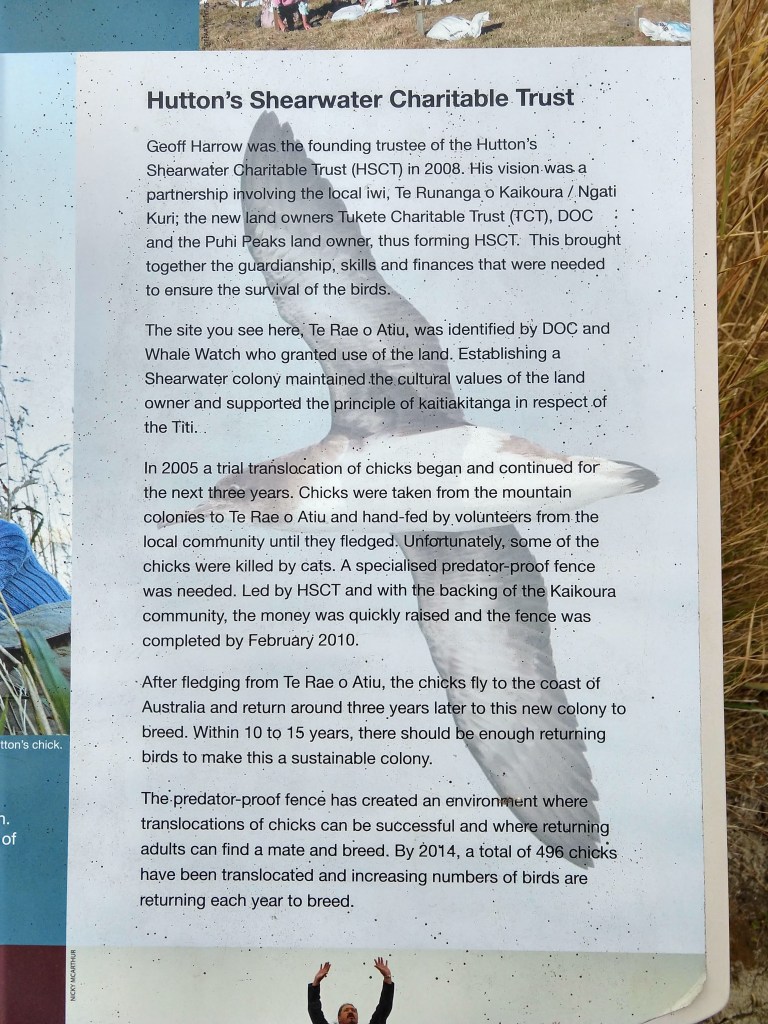
At the top of the bluff, we came across a breeding ground for a bird called the Hutton’s Shearwater, a bird that is endemic to New Zealand. It’s a remarkable story. These shearwaters are the world’s only seabirds to breed in alpine areas. There used to be tens of millions of them, and they would fly up from the ocean and dig burrows high up in the mountain ranges by Kaikoura. Well, their population declined with the predators, and in the 1960’s, there were eight colonies documented. Soon, there were two colonies. That means two breeding colonies in the world. The Hutton’s Shearwater Charitable Trust was founded, and it was decided that another colony was needed to ensure the survival of the species.
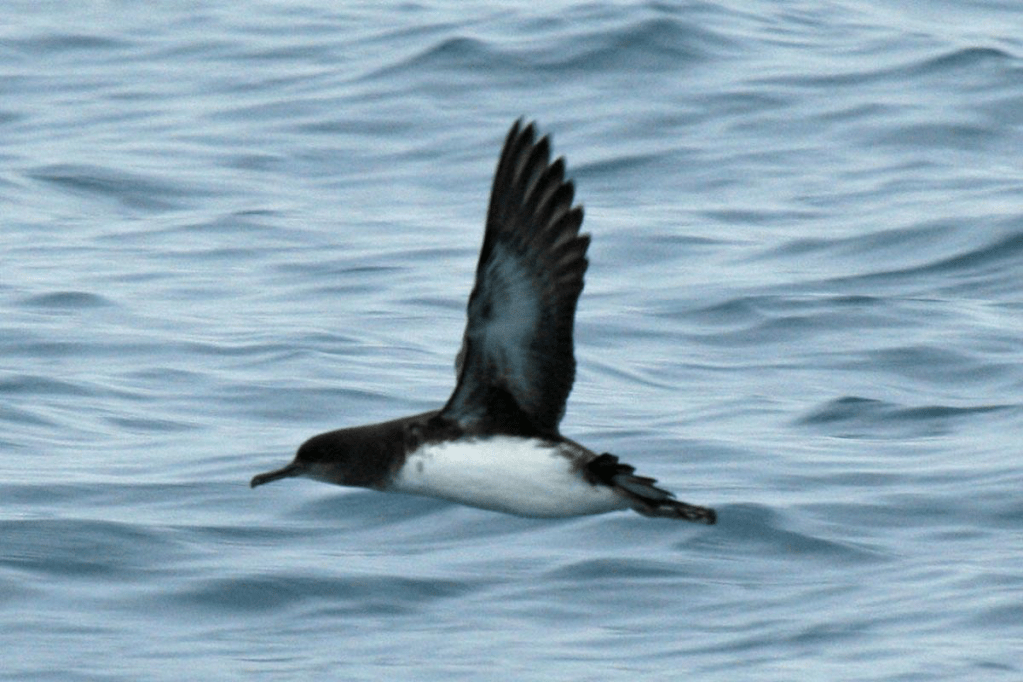
Starting in 2005, hundreds of volunteers dug burrows in the hillside bluff, and then transferred chicks there, before they could fly. The volunteers hand-fed the chicks and hoped they would imprint on the hillside. The chicks fledged and flew off, and the volunteers did the same thing for six more years. Some of the chicks were killed by feral cats and stoats, so they built a predator-proof fence and eliminated predators inside. The chicks grew up, and they returned to the hillside, found mates, and raised new chicks. Now the colony is thriving, and the population is stronger.
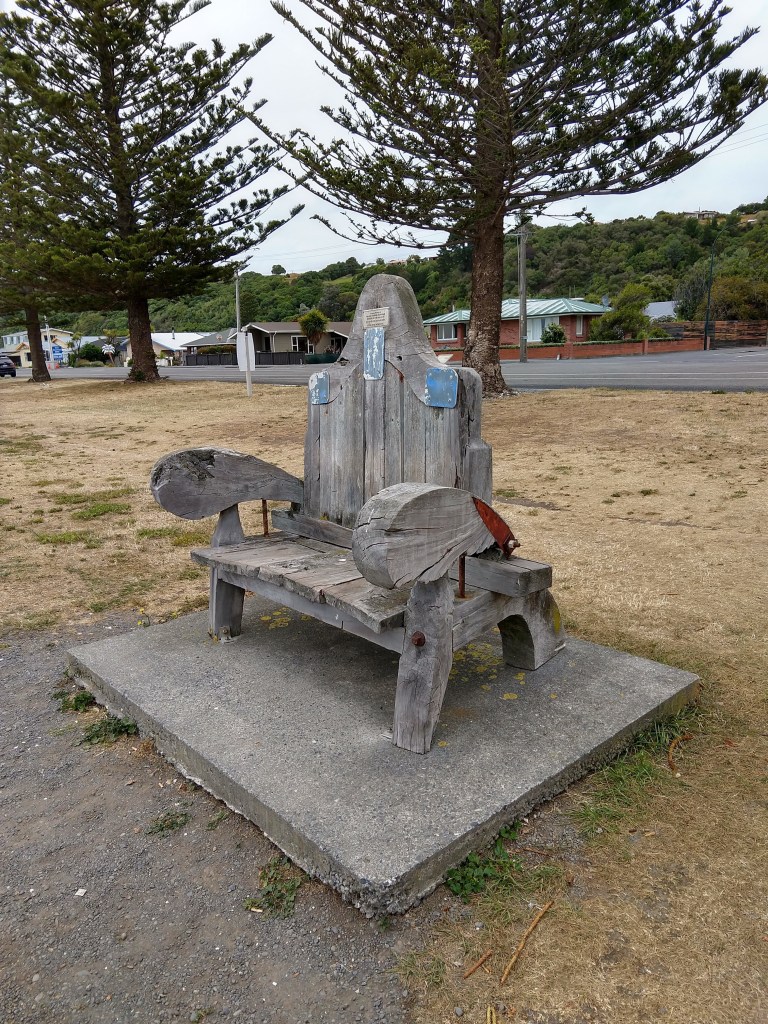
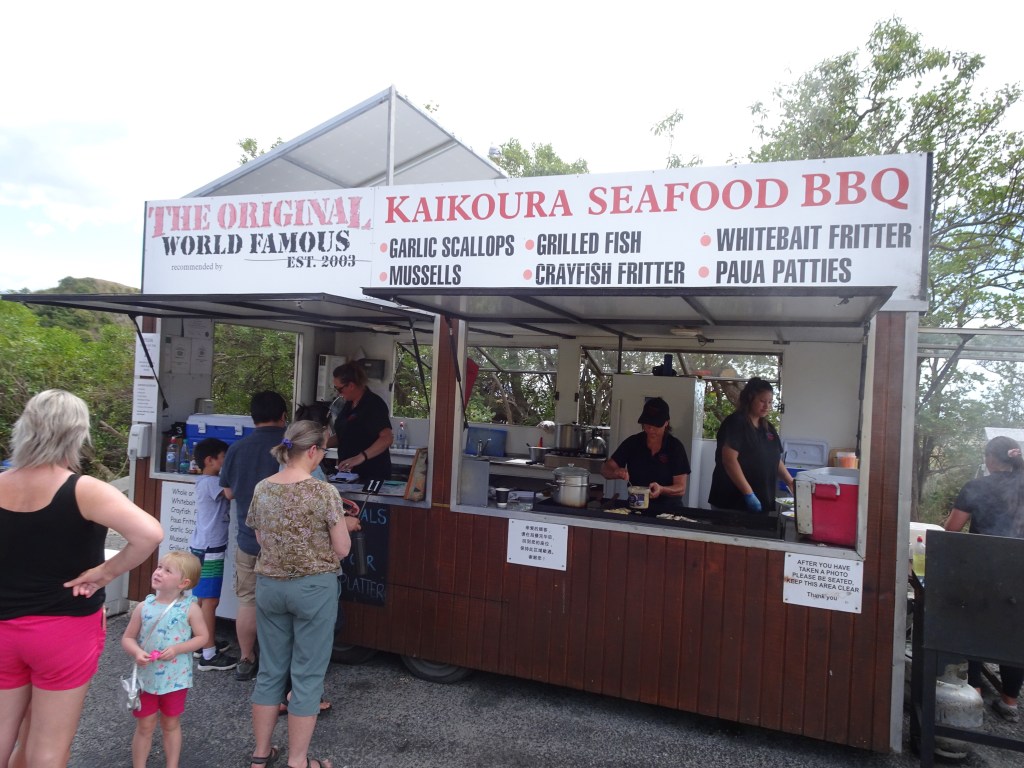
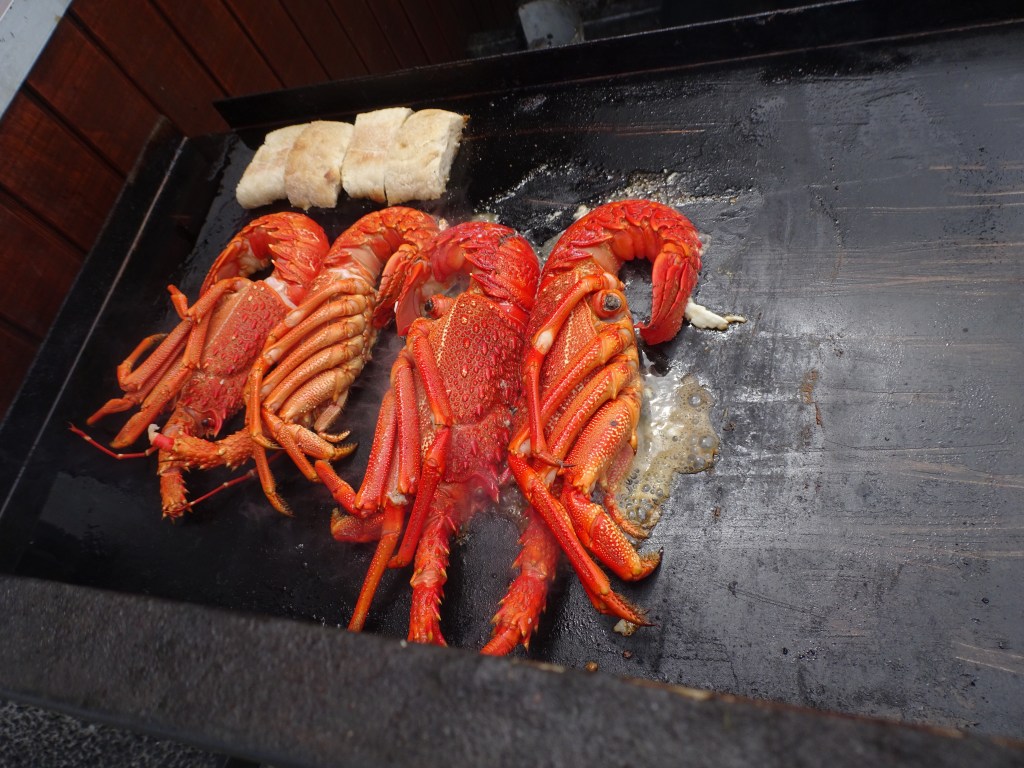
A Town by the Sea
 Rolling Through Kiwiland
Wish I was there. Love all the bird pictures and you guys too ❤️
LikeLike
Hey guys — while on your travels, have any of the locals talked about climate change and what may be happening as a result?
LikeLike
very coolloc y coolmikeery cool mike
LikeLike
Spectacularly beautiful bird photos!
LikeLike
Love seeing where you are and what you’re up to! Oh those Albatross!!!!
I’m on the Big Island!
LikeLike