It’s hard to overstate how badly Christchurch was devastated by the earthquake in February 2011. There was an earlier quake the previous September which structurally damaged a lot of buildings, but all in all did not cause much harm. Then, at noon on February 22, the city was hit hard. The epicenter was five miles from the very center of downtown. 185 people died, 115 of them in one building that collapsed. Two years later, a full seventy percent of the buildings in the city had been demolished because they were unsafe. Liquification of the sediments underground had happened. Sludge (liquified sand) poured through fissures. All the water pipes broke. The city was leveled. Ten thousand people moved away.
The Canterbury Earthquake Recovery Act (CERA) was founded. Its purpose was to oversee the big picture, to create a vision, to plan how Christchurch wanted to regenerate itself. The directors of this project saw it as a once in a lifetime opportunity. How often does a major city get the chance to completely redesign itself? Where banks and apartments and hotels and churches once stood, now was razed earth. Much of the downtown was “red-zoned.” This meant that nobody was allowed inside the Zone. After all the damaged buildings were torn down, people could return. The community was going to decide what the future city would look like. CERA operated for five years, until 2016. Then it morphed into another organization called Greater Christchurch Regeneration. This organization is still making decisions.
Christchurch is the largest city on the South Island. It’s really the only “city” on the island. The population is 400,000. More people live in Auckland, on the North Island, than live on the entire South Island.
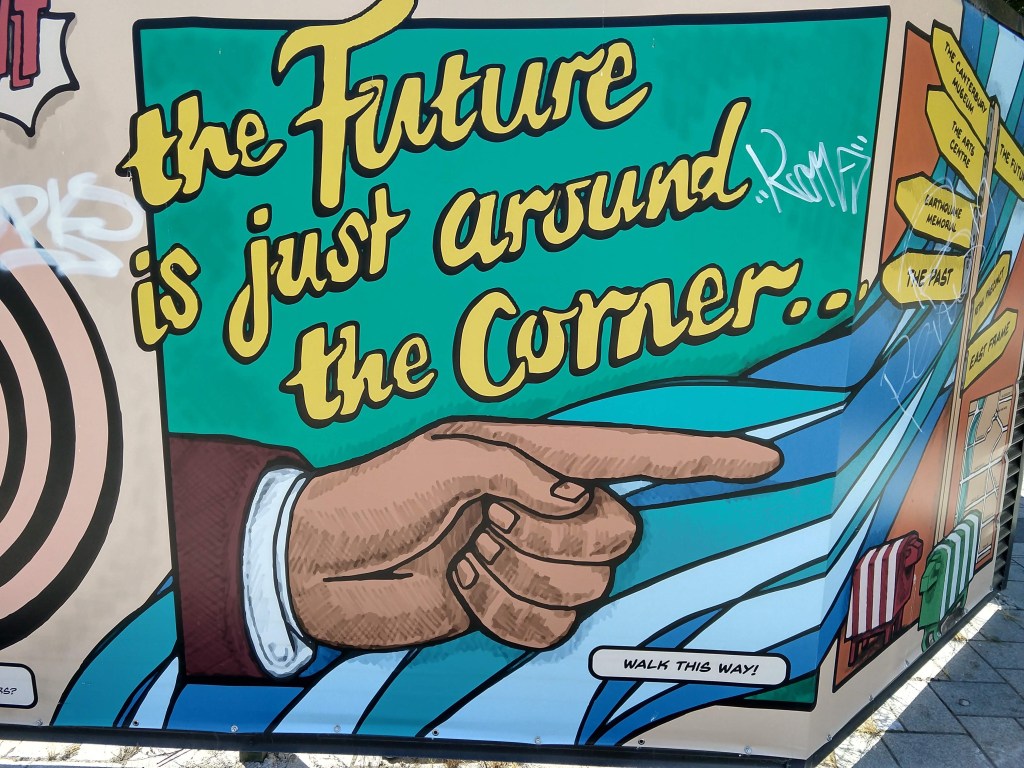
So———Where do you start? What are your priorities? What kind of city do you want for your kids? Do you want a dense downtown population? Where do you want the parks? Restore or start over? These questions were talked about, debated, even voted on. The citizens of ChCh have decided that they want to make their city one of the safest, most efficient, most beautiful, most modern cities in the world.
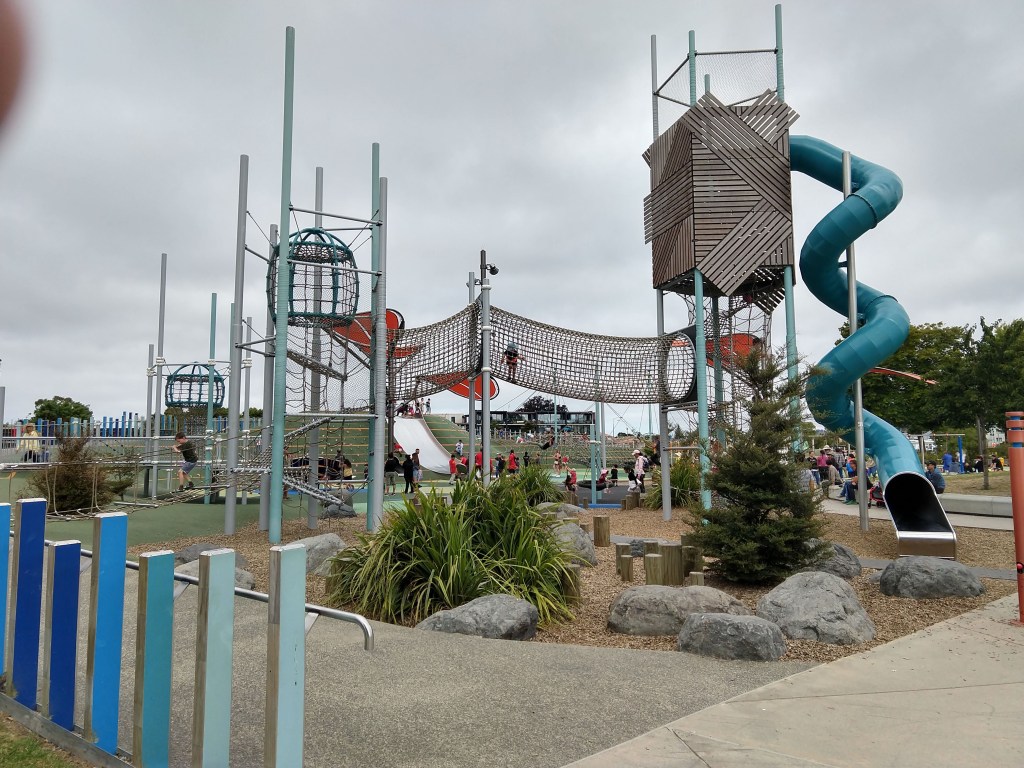
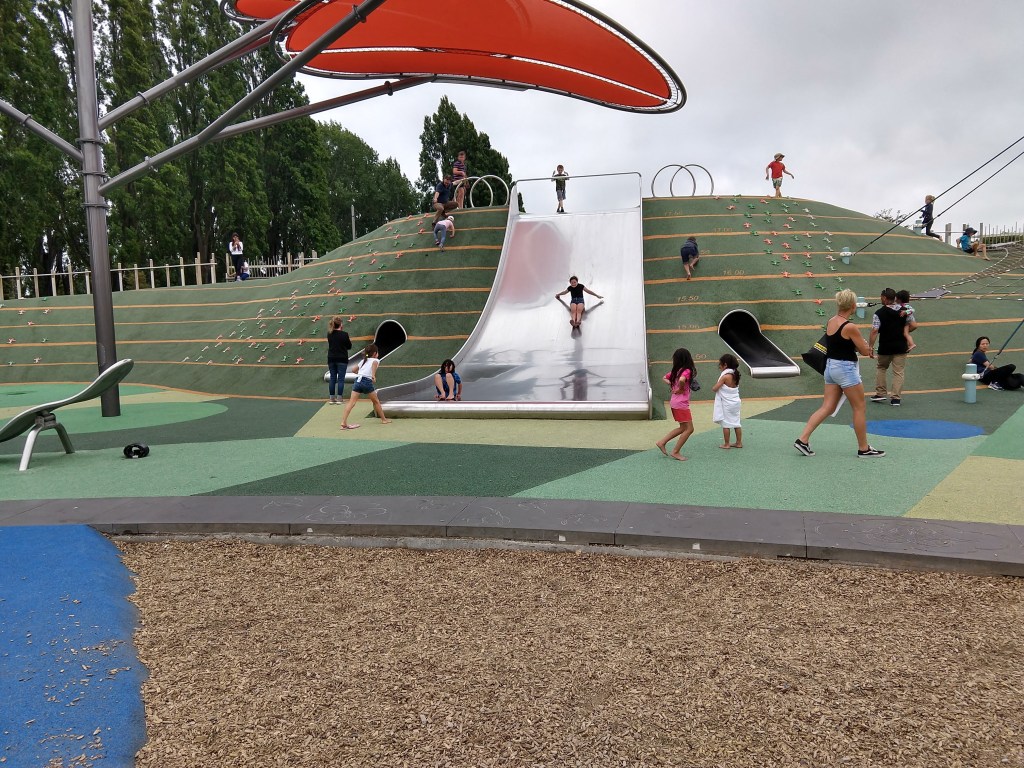
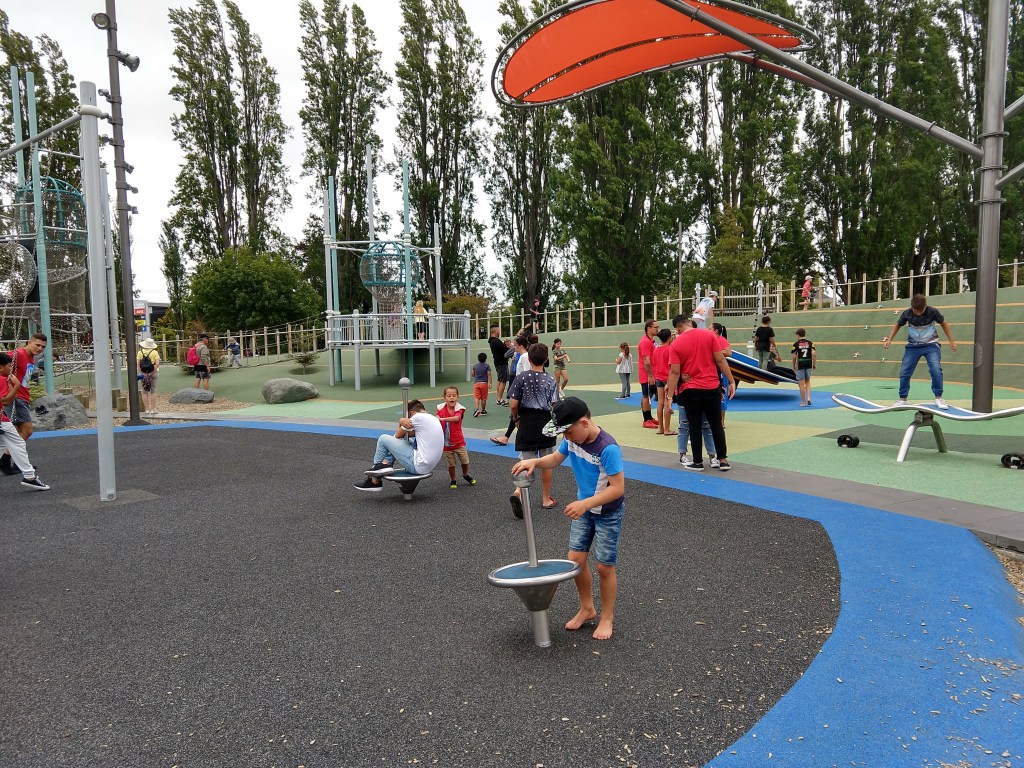
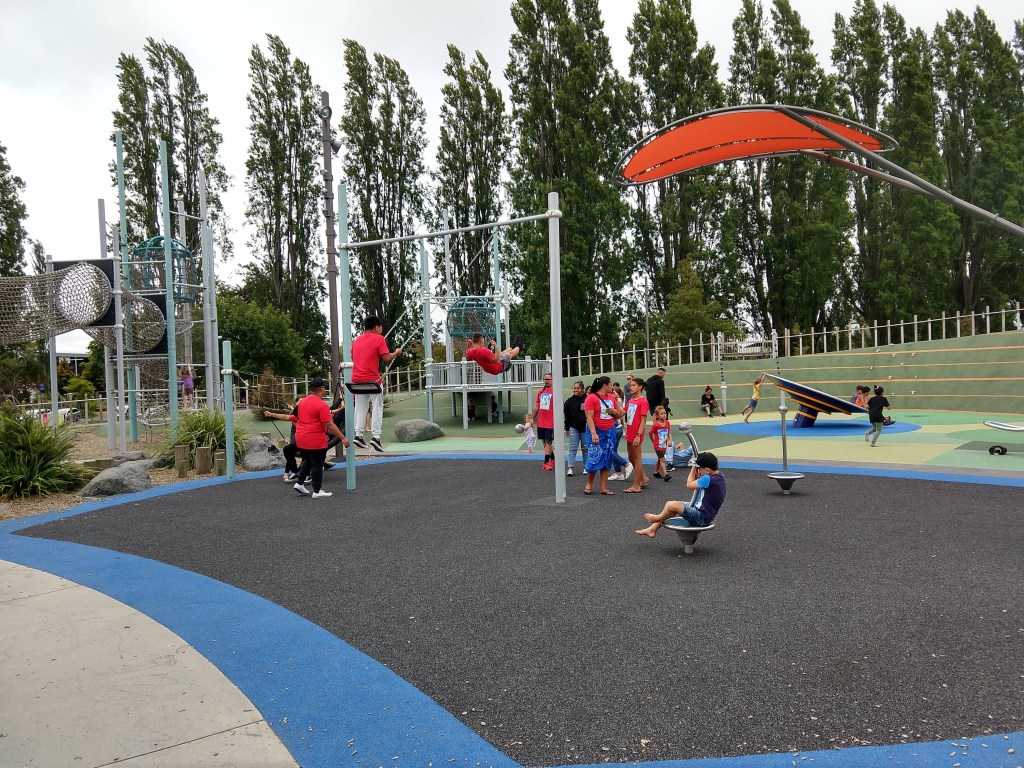
One of the first things they did was build the largest playground south of the equator. The Margaret Mahy Playground is named after a New Zealand author of childrens’ books. The playground is colorful and cheerful, designed not just for kids but for everyone. It brought, and brings, people back to downtown. It is good for families, for businesses, for hope and faith in the future.
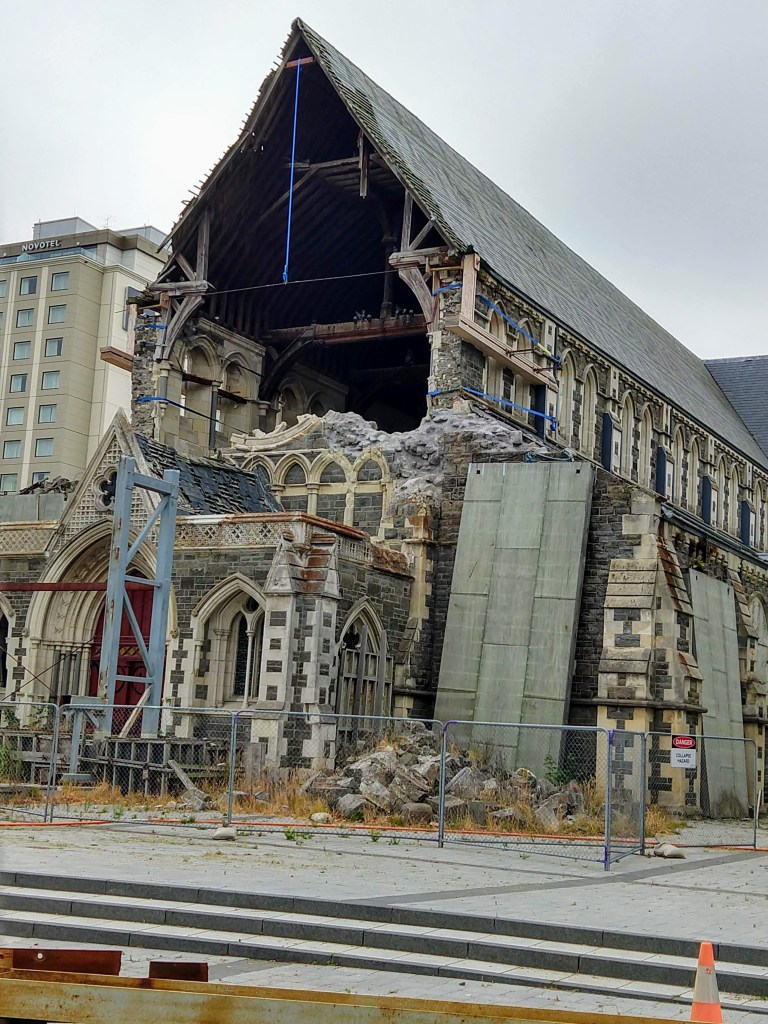
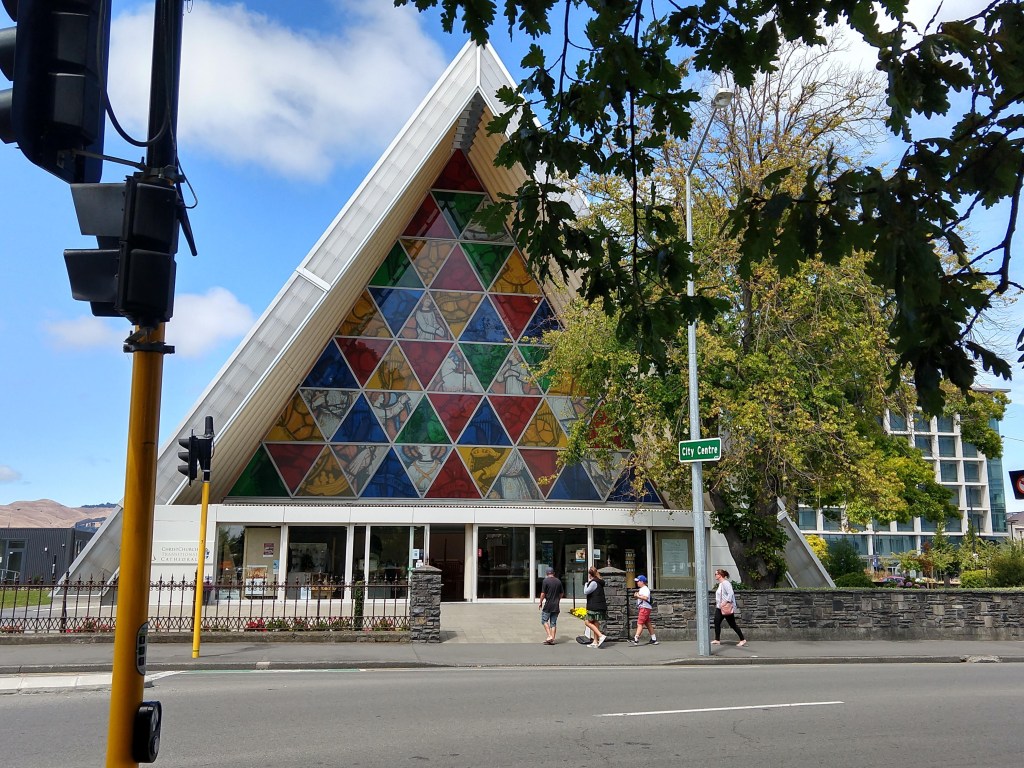
One of the difficult decisions was what to do about the Central Cathedral. It was a cultural heritage icon, right in the middle of the CBD, (Central Business District) and very important to the social fabric. It was an ongoing debate whether to knock it down and rebuild, or try to restore it. Finally there was a vote, and just last year it was decided that the community would restore it to as close as possible to how it used to be. In the meantime, they built a Transitional “Cardboard” Cathedral made of actual cardboard and shipping containers and reusable material, designed to be temporary.
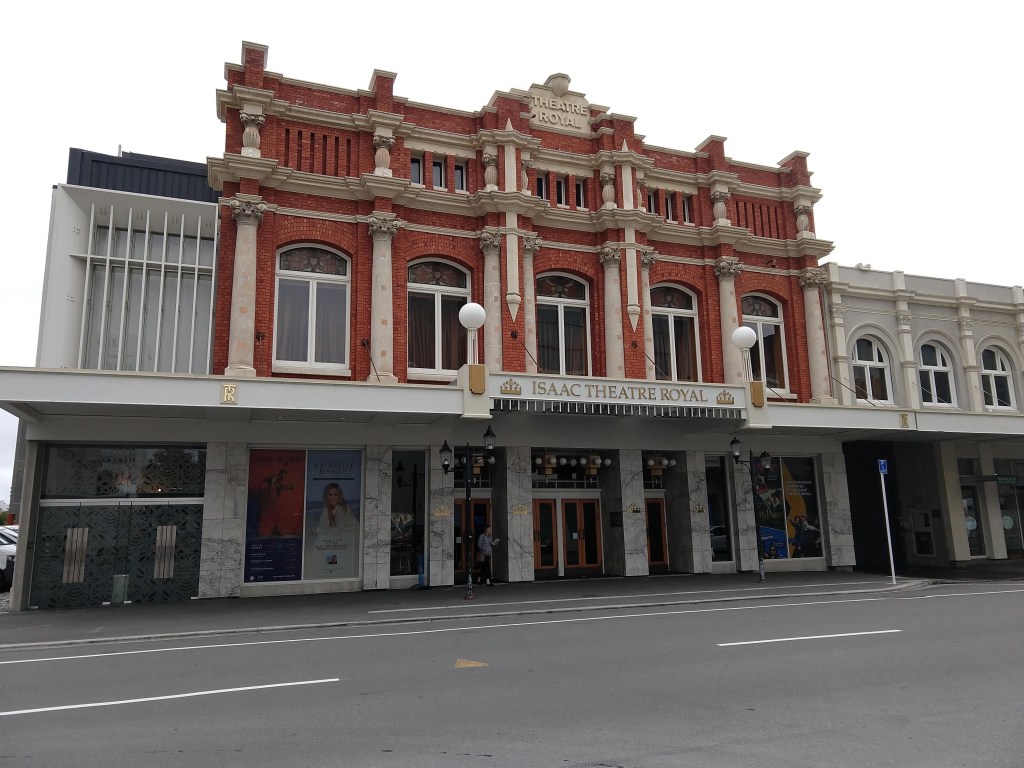
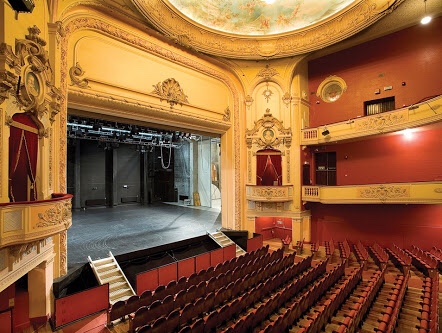
Another big restoration project was the Isaac Theatre Royal. The theater is also downtown, just a couple of blocks away from the Cathedral. It opened in 1905, and has been the main performing arts venue in the city ever since. It was a grand, majestic theater, and it was ruined, then painstakingly restored to its original grandeur.
Gandalf Helps
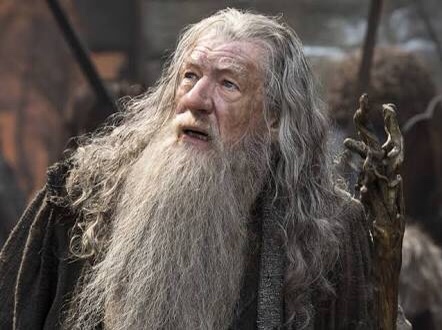
The earthquake hit while The Hobbit was being filmed in New Zealand. Sir Ian Mckellan became one of the major donors who contributed to the restoration. He performed 31 one-man shows around the country, and donated all the money to the theater. After the stage was rebuilt, the high dome was lowered and completely re-done. Workers faithfully reproduced all of the ornamental moldings, replaced all the seats, and now the theatre is more magnificent than ever. The restoration took three years.
We learned these details by stopping in the theatre box office to ask if we could look inside. Just by chance, the technical manager was in the house. Jack took us on a tour of the empty theatre, even into the royal box now named for Sir Ian, and explained the whole history of its restoration. What a highlight of our time here and yet another instance of the generous kindness of Kiwis.
From the Ground Up
As the city was cleared out, all of a sudden there were large empty areas referred to as “Gaps.” There were also little gaps, little pockets of emptiness. An organization called “Greening the Rubble” started up, and it continues to use the small empty areas for pocket parks and public art.
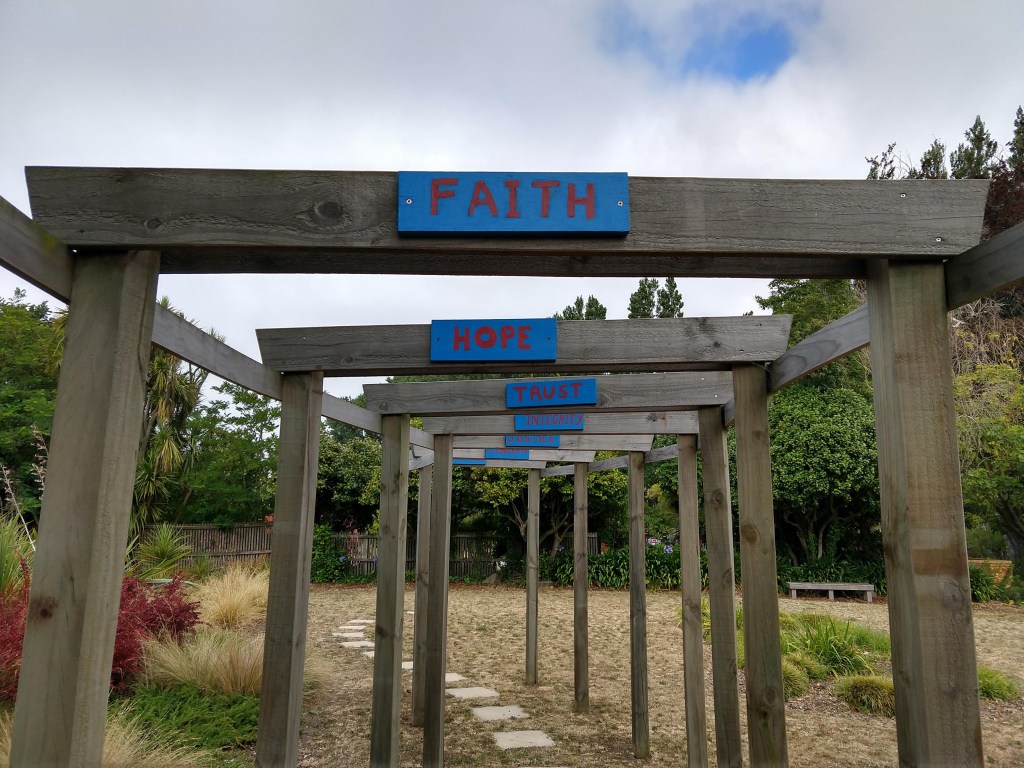
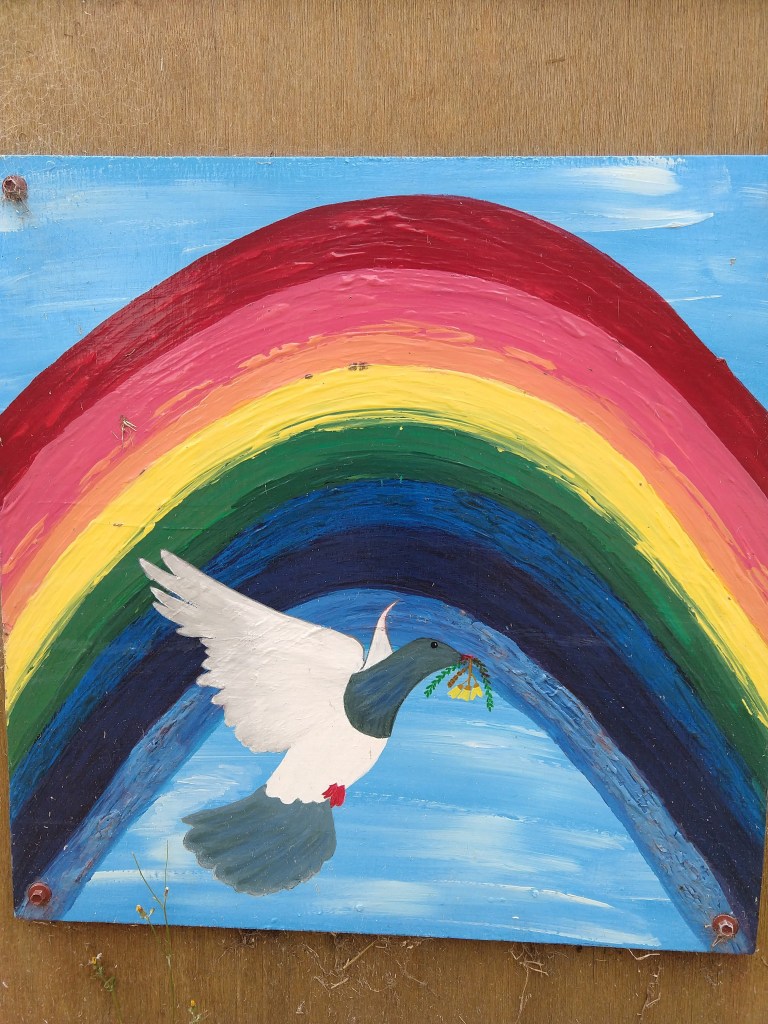
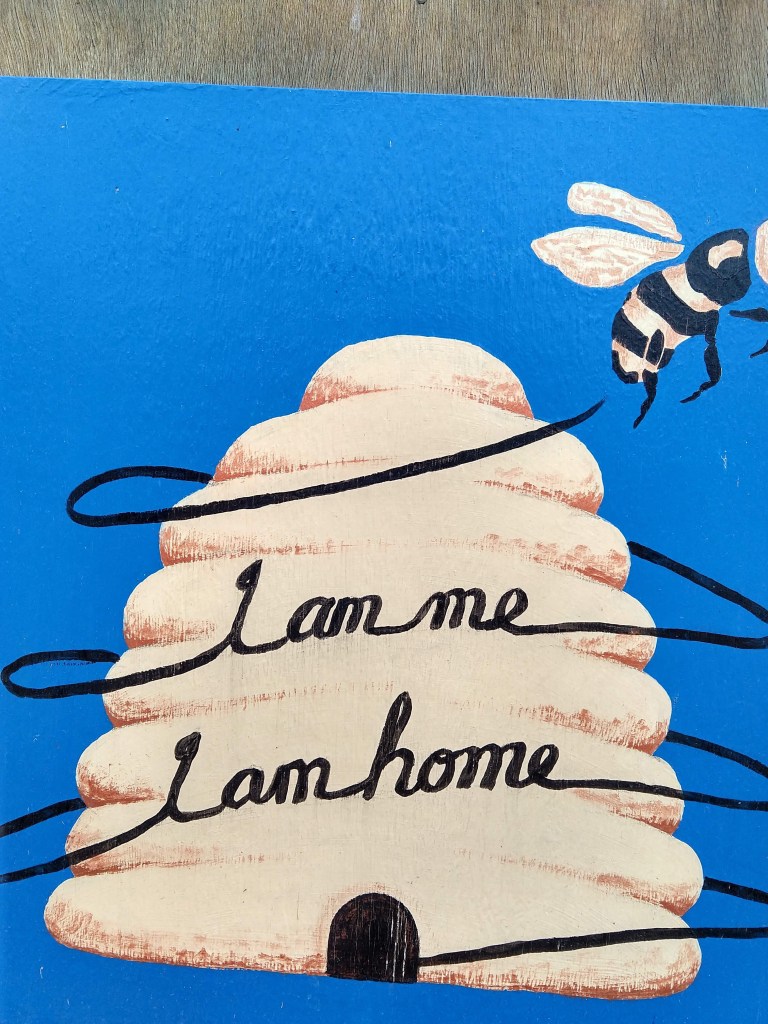
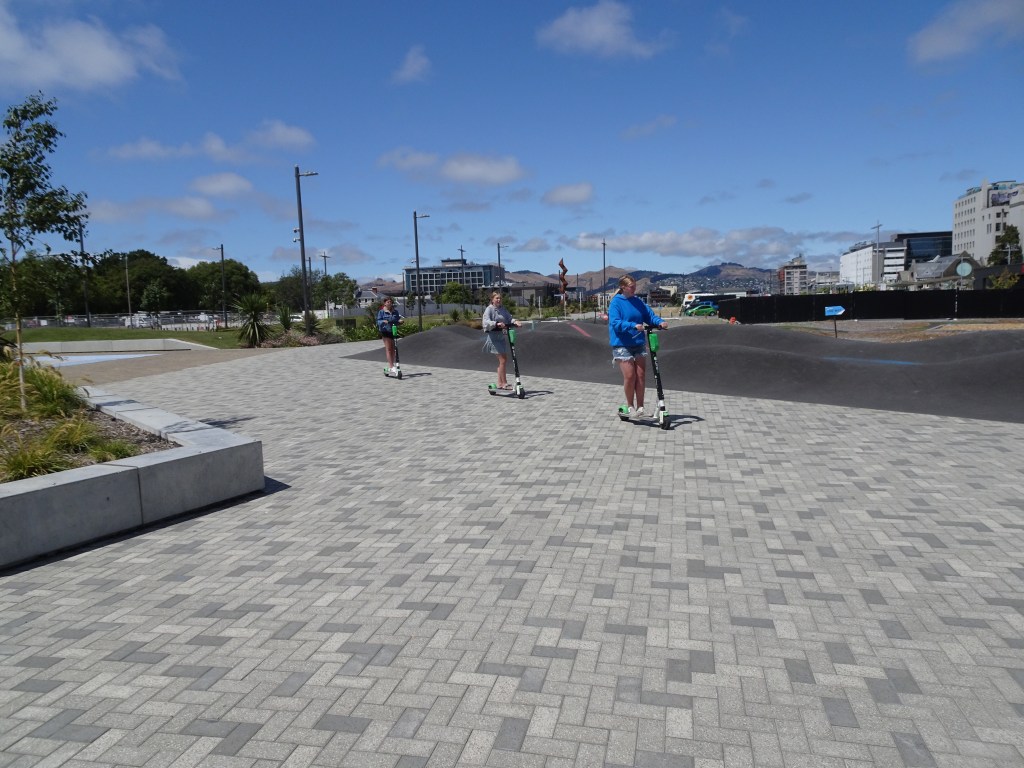
One large gap has started to be filled in. The first priority is for wide pedestrian walkways, public spaces, and trees. A public fruit orchard is in the works. Scooters are everywhere, and the wide walkways are designed with them in mind.
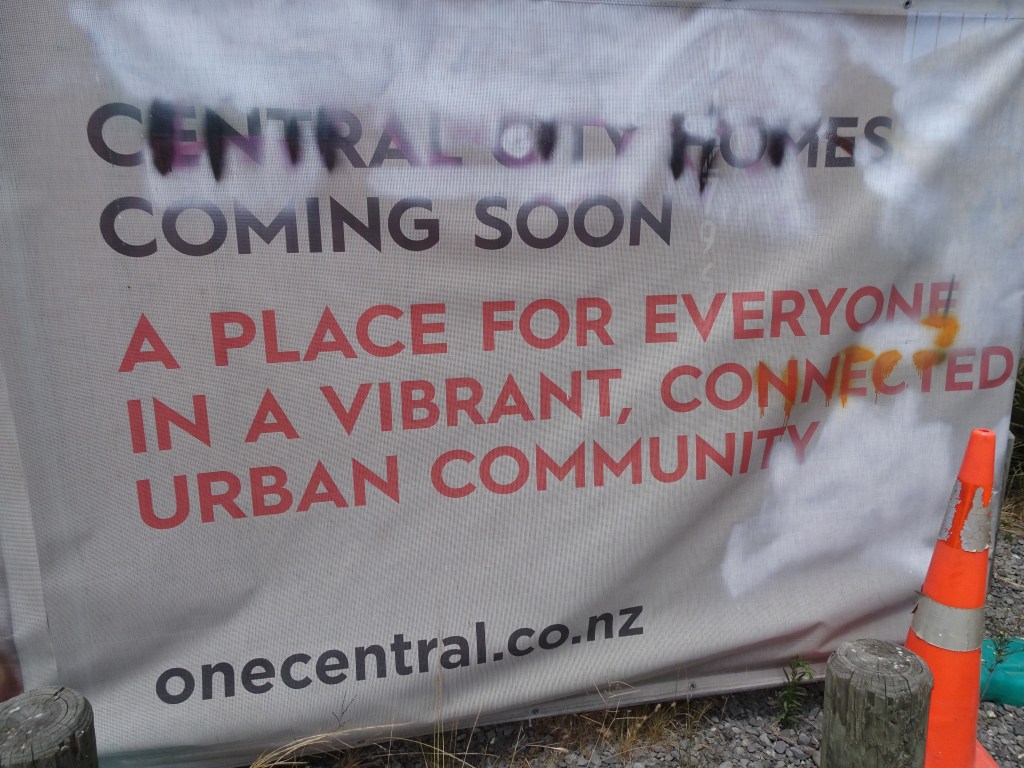
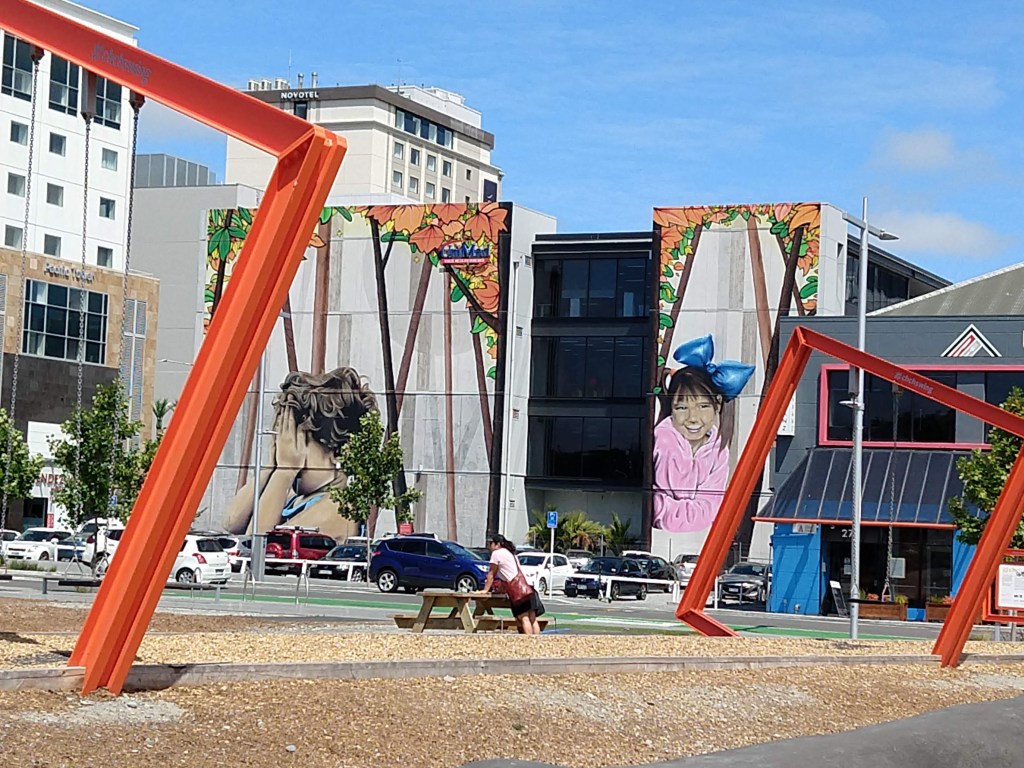
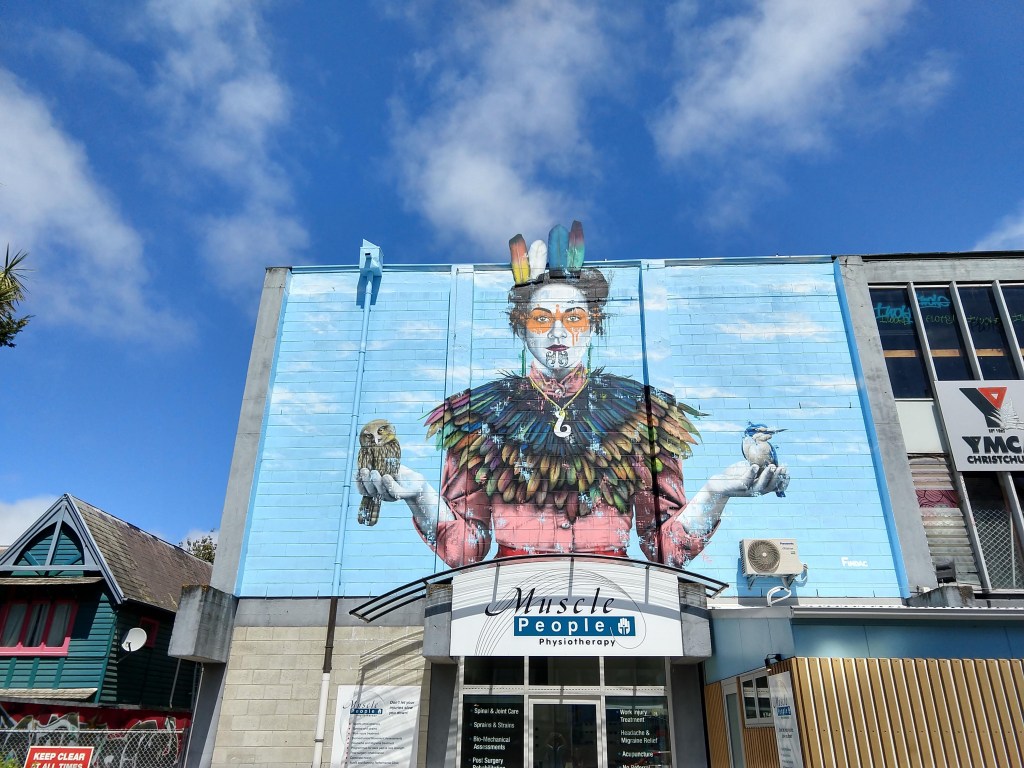
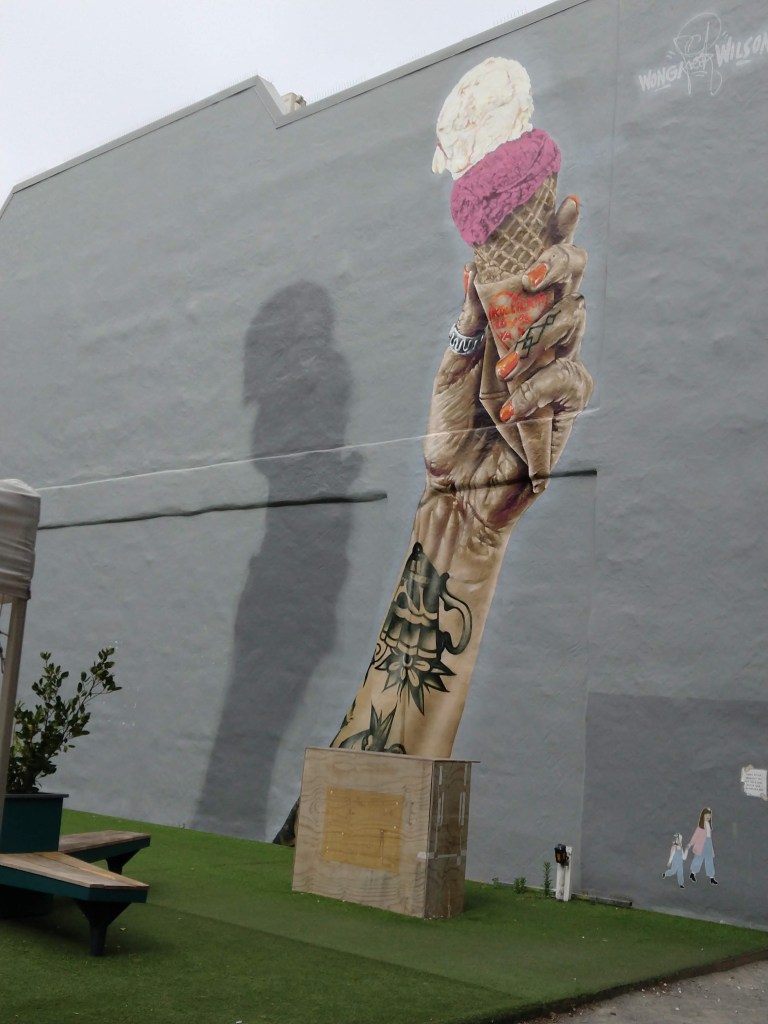
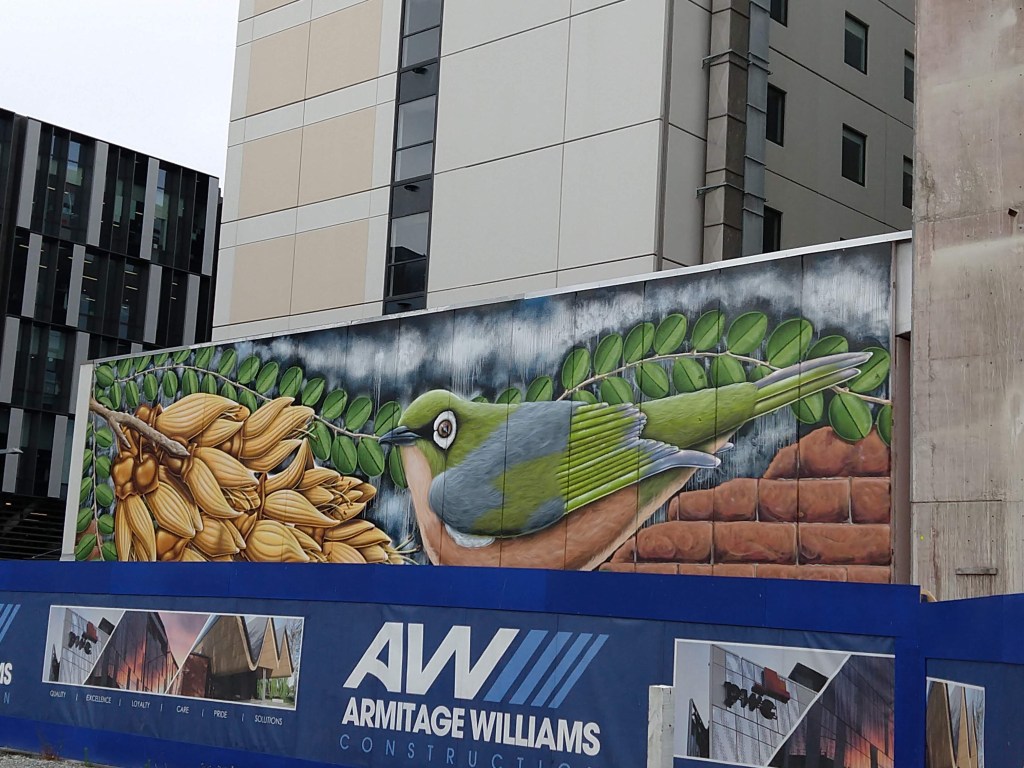
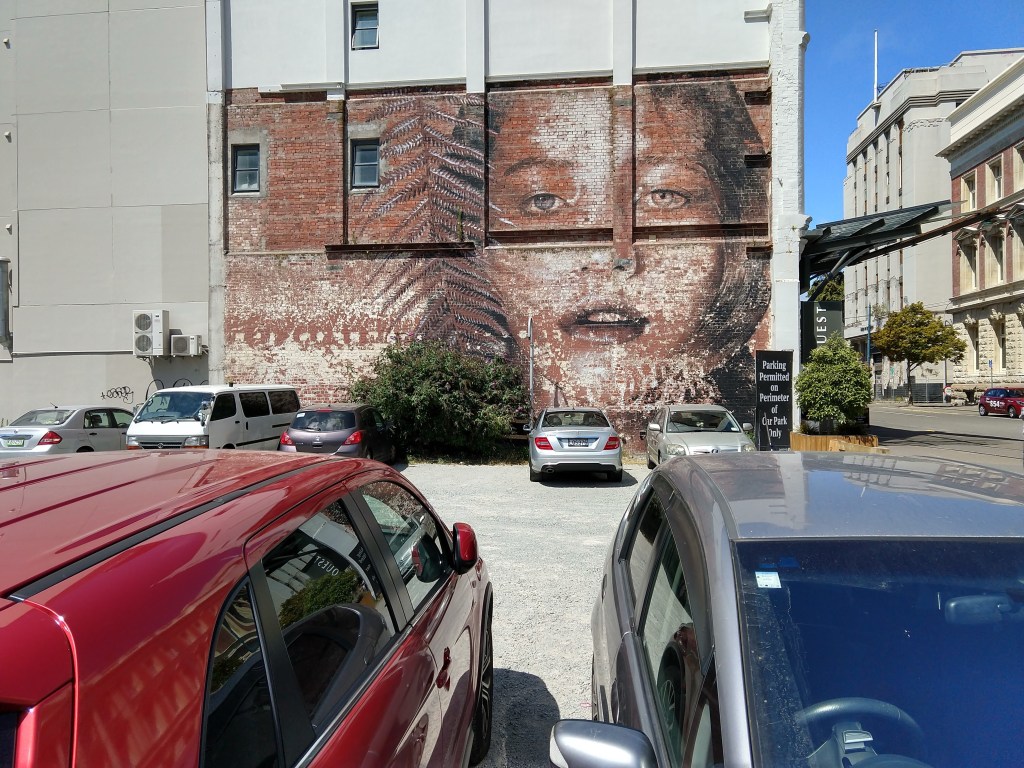
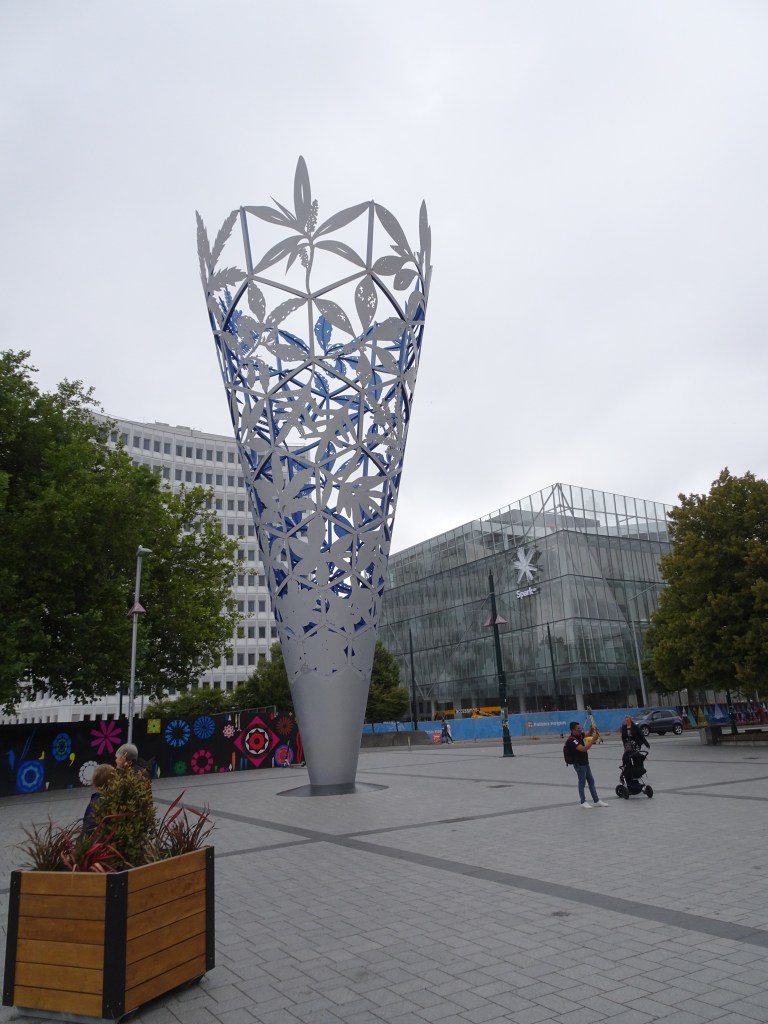
There will be no building taller than seven stories. One thing that that means is that there will be great views from the roofs of every building. There are lots of rooftop bars being planned. And public art is also an essential part of the new city.
Remembering
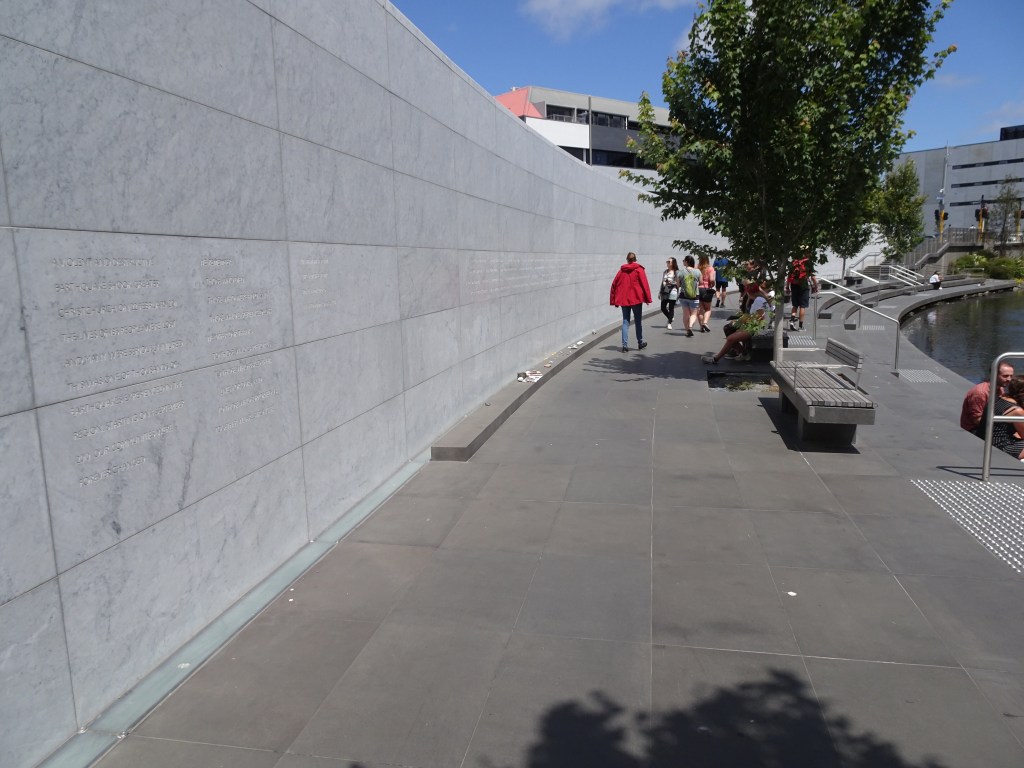
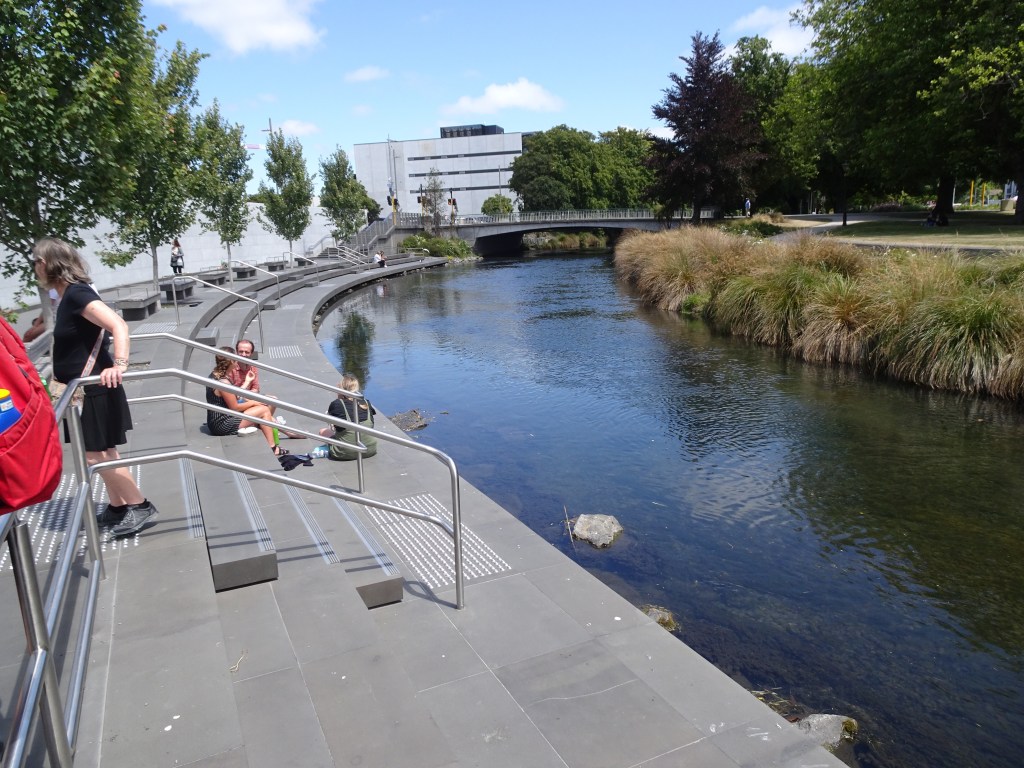
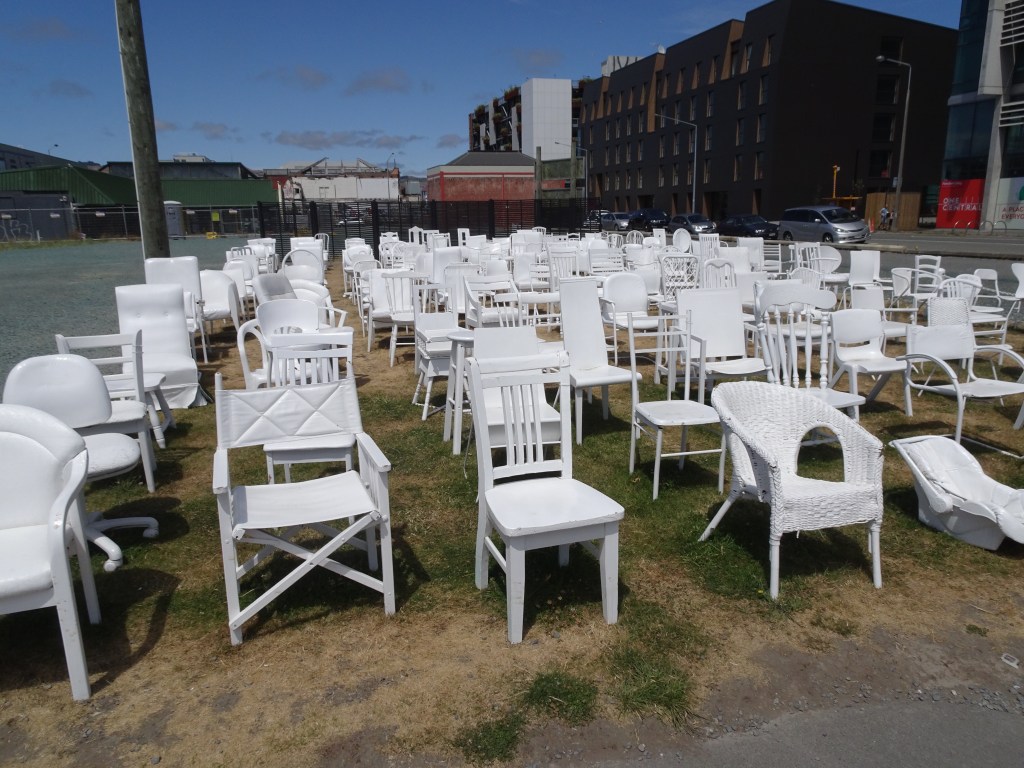
There are two memorials to the people who died in the quake. One of them is along the Avon River, which winds right through the middle of town. 115 people died when the CTV Building collapsed. A lot of the people were students studying English as a Second Language. All the people’s names (all 185) are inscribed on a wall along a walkway on the river. The river itself was widened and deepened right there to make it calmer, and seats and steps were installed so people could meet and gather. Lots of office people go there to eat lunch.
A Vibrant Downtown
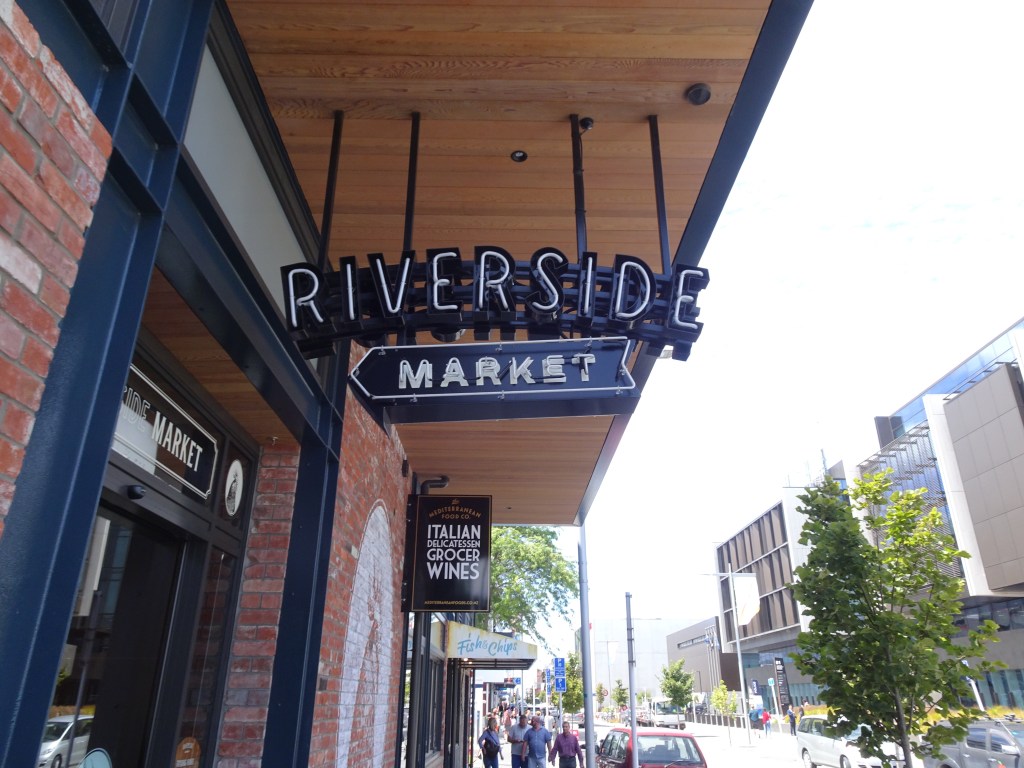
The Avon River is a sweet little river, just about knee-deep in downtown, and a lot of the new development is happening here. The Riverside Market opened just four months ago, in September 2019. Eight and a half years after the quake. It has taken a while, but this is a beautiful, sensational marketplace, full of food stands offering delicious foods and coffees and drinks, lots of places to sit, inside and outside, great views of the river, and lots of cheer and optimism.
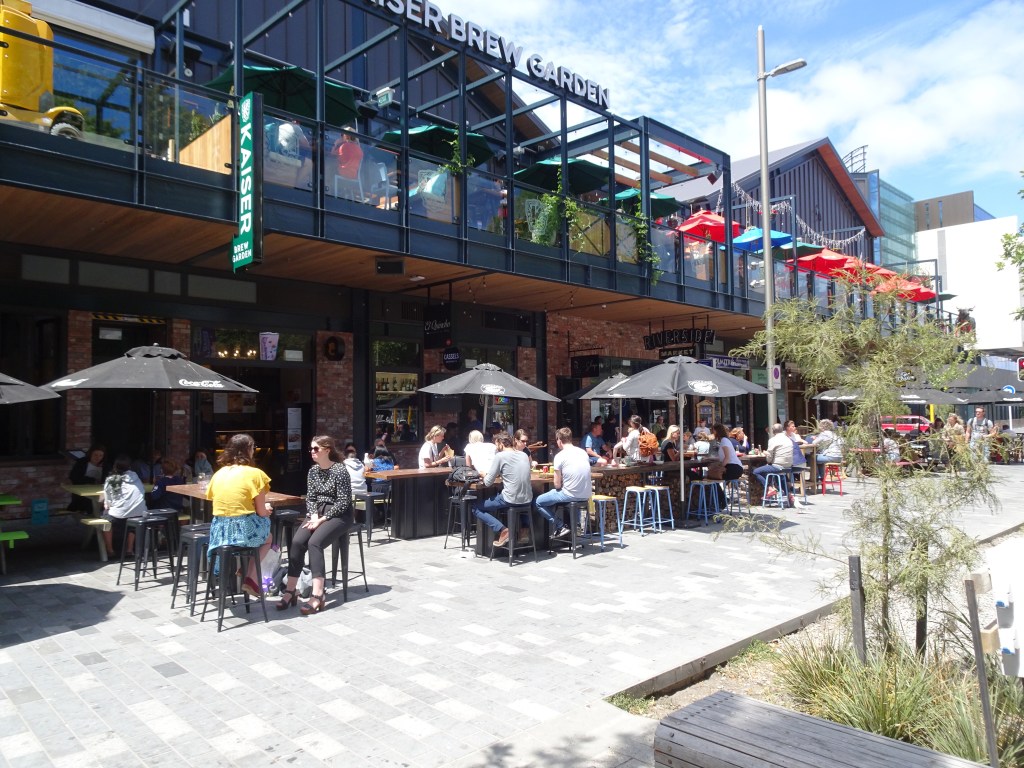
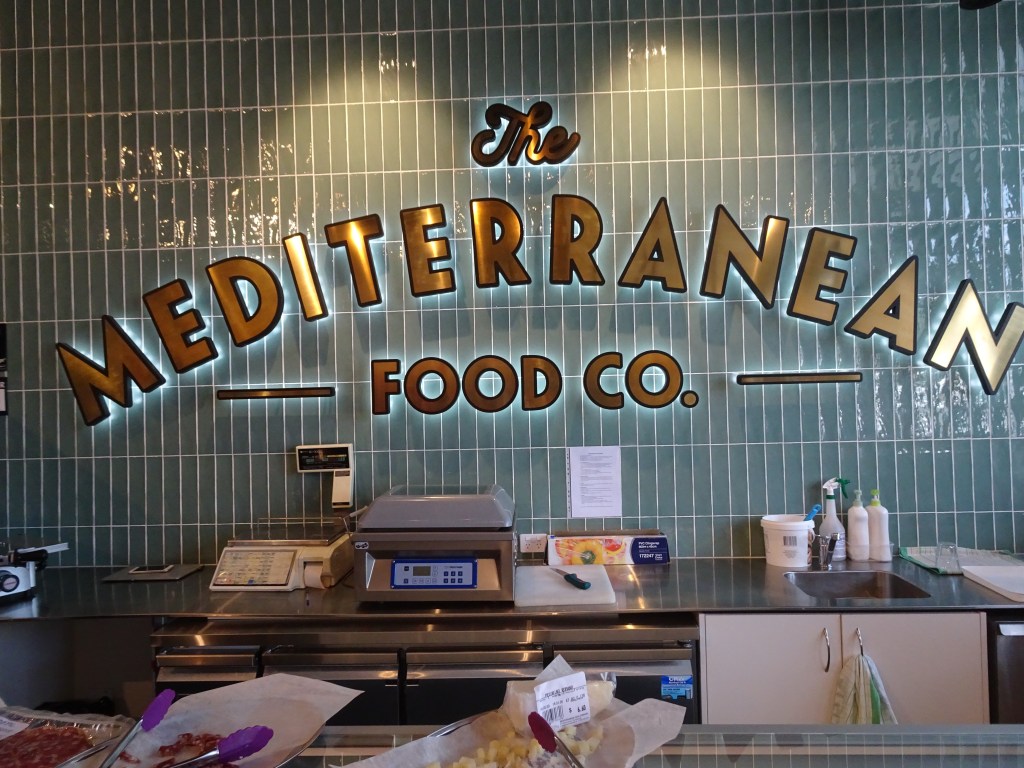

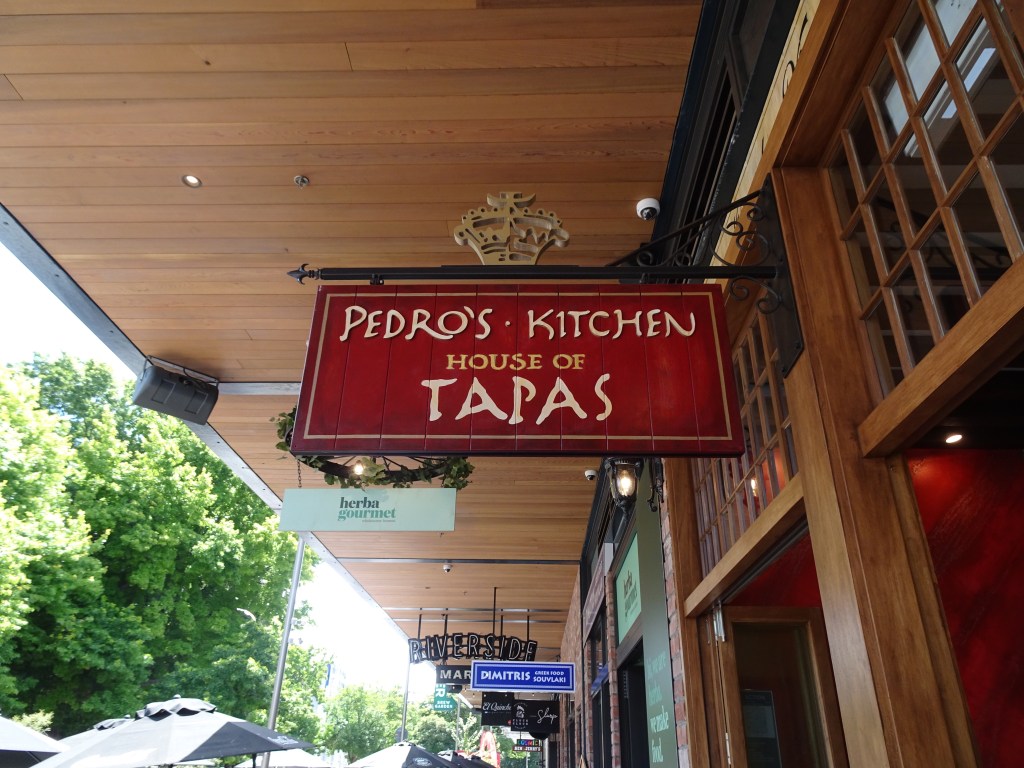
This marketplace is brand-new. It was rubble not that long ago. Christchurch now is cheerful and optimistic. Ever mindful that tragedies are an ever-present danger, and knowing that they have a long way to go to fully recover, the people here are proud of what they’ve accomplished so far. We loved our time here, and we appreciate each twist and turn just a little bit more.
 Rolling Through Kiwiland
Thank you for this. I remember the ChCh earthquake but I really had no idea just how bad the destruction was. I also remember the terrorist shootings in 2019. They have been through so much — you would forgive them for being bitter and angry, but they are obviously a kind and gentle people.
LikeLike
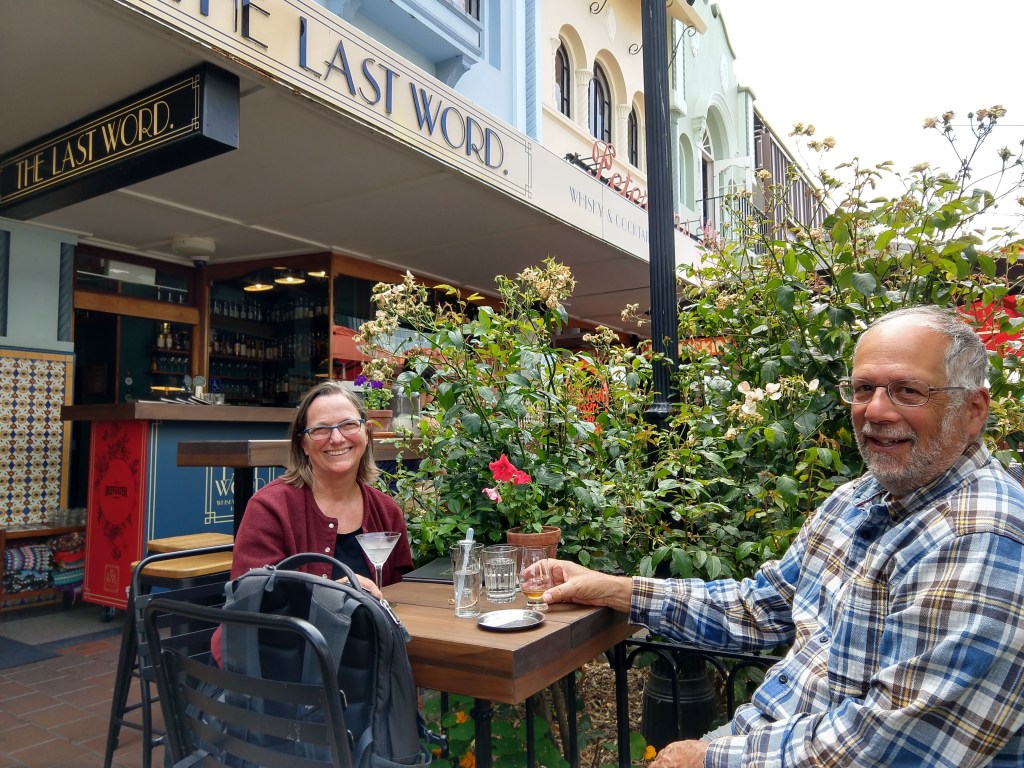
Amazing! It looks like a beautiful little city… Theater tour: obviously meant-to-be!..photos: Awesome!… In-depth stories are Wonderful!! And the last photo of you two is hands-down my favorite so far! Always enjoying your posts ❤
LikeLike
Wow, that pic of the cathedral in Christchurch !!!! I remember that…. the icon of the city. what devastation they had !
Interesting post, as usual ! great pics ! Love the last pic of you two……. xxoo
LikeLike
You two look marvelous, and muy tranquillo! Love the murals, especially the one on the brick wall.
Thanks for all the interesting info. xoxo
LikeLike